Many athletes and fitness enthusiasts worry that doing cardio after a lifting session will “burn” muscle by stripping away precious amino acids.
It’s true that long aerobic sessions paired with depleted glycogen levels can trigger catabolic processes. However, when dosed correctly, cardio doesn’t just “not hurt”—it actually improves recovery and insulin sensitivity.
Let’s dive into how post-workout cardio impacts muscle growth, who should do it, and why the answer changes depending on whether you’re a natural athlete or using pharmacological support.
In Plain English: Why We Fear Losing Muscle to Cardio
Imagine heading to the treadmill for an hour right after a heavy bench press session. Your muscles are spent, and your quick energy stores (glycogen) are running on empty.
Your body starts looking for alternative fuel. It can turn to fat, but if the intensity is too high and carbs are low, it may also start breaking down amino acids. This doesn’t mean all cardio is a “muscle killer.” If you do a quick 10–15 minute low-intensity cool-down, you’re mostly burning fat and boosting blood flow to tired tissues, which actually speeds up recovery.
The real trouble starts with long (40+ minutes) steady-state cardio sessions after lifting, especially if you’re fasted or on a strict cut. In this scenario, your body might indeed break down muscle protein for energy. However, this isn’t a death sentence for your gains if you consume fast-acting carbs and amino acids immediately after.
For those on a cycle of anabolic steroids, the risk of catabolism is significantly lower because the hormonal environment actively blocks muscle breakdown. Let’s look at the breakdown for “natties” versus enhanced lifters.
How Natural Athletes Can Keep Cardio from Killing Gains
For a natural athlete, hormones aren’t stabilized by exogenous drugs. After an intense lifting session, cortisol (the “stress” or catabolic hormone) is spiked. Adding a long cardio session can push cortisol even higher, leading to muscle loss. Therefore, the best strategy for a natural lifter is to separate lifting and cardio sessions (e.g., cardio in the morning and lifting in the evening, or on completely different days).
If you must do cardio right after hitting the iron, stick to 15–20 minutes of low-intensity work like walking, light jogging, or cycling. This helps lower cortisol and improves circulation without draining your amino acid pool.
To minimize catabolism, natural lifters need to “refuel”:
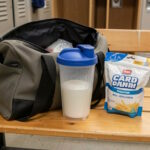
The Fueling Strategy: Take 5–10g of EAAs or a protein shake with fast carbs (like an isolate with a carb powder or even a glass of juice) right before cardio or immediately after lifting.
The Insulin Effect: Carbs stop protein breakdown by raising insulin levels.
The Foundation: Don’t forget your overall calories and protein intake (aim for 1–1.2g per pound of body weight). If you’re cutting and worried about muscle loss, move your cardio to an off-day or do it fasted in the morning followed by a big breakfast.
Another key factor is the type of cardio.
High-Intensity Interval Training (HIIT) after lifting can fry your central nervous system and stall recovery.
For natural lifters, Low-Intensity Steady State (LISS) with a heart rate around 120–130 bpm for 20–30 minutes is the sweet spot. This burns fat without tapping into muscle protein.
Most importantly: never do long, fasted cardio right after a heavy lifting session—that is the fast track to losing mass.
Considerations for Enhanced Athletes (AAS)
For those using anabolic-androgenic steroids (AAS), the situation is fundamentally different.
AAS create a powerful anti-catabolic environment by suppressing cortisol and reducing proteolysis (protein breakdown). Even during long post-lifting cardio, amino acid loss is minimal. In fact, many bodybuilders “on gear” intentionally add heavy cardio during prep without worrying about losing size.
However, this doesn’t mean you should ignore nutrition.
arb and protein support still matter, even if the risks are lower. Enhanced athletes can typically handle more intense or longer cardio (40–60 minutes) immediately after training because the steroids help maintain a positive nitrogen balance. One caveat: when using compounds with high androgenic activity (like Trenbolone or Stanozolol), blood pressure and heart strain can increase. These athletes should be cautious with high-intensity cardio and keep a close eye on their heart rate.
In short, “enhanced” lifters don’t need to stress about cardio “eating” their muscle as long as their protein and carb intake is sufficient. But even with pharmacological help, separation is still better:
The Recovery Factor: You might keep your muscle after an hour of post-bench cardio, but it can still tax your nervous system and lead to overtraining.
The Ideal Routine: It’s best to do cardio on rest days or in a separate morning session.
Contest Prep: If you’re training twice a day, aim to put 4–6 hours between your lifting and cardio to avoid burnout. Remember: for enhanced lifters, cardio is a fat-loss tool, not a mass enemy, but common sense still applies.
Practical Takeaways
I’ve summarized the key recommendations for different types of athletes in the table below.
Parameter
Natural Athlete
Enhanced Athlete (AAS)
Post-Lift Duration
15–20 min (LISS)
30–60 min (LISS or HIIT)
Nutrition Needs
Mandatory: EAAs + Fast Carbs
Recommended, but less critical
Muscle Loss Risk
High with long duration
Low (anti-catabolic protection)
Best Timing
Off-days or separate AM
Immediately after or separate
Cardio Type
LISS (120–130 bpm)
Any (watch blood pressure)
The Bottom Line: Cardio after a workout won’t steal amino acids from your muscles as long as you use moderation and fuel properly. Natural lifters should be more conservative with duration, while pharmacological support offers more freedom.
Listen to your body and don’t turn a cool-down into a marathon. Do it right, and you’ll keep your gains while keeping your heart healthy.
Dmitry Volkov – is the author of our bodybuilding section is a practicing sports medicine physician based in Dallas, Texas, with 21 years of hands‑on experience in sports pharmacology. At 42, he combines deep academic knowledge with real‑world expertise gained from coaching athletes of all levels — from amateurs to seasoned competitors. He earned his medical degree from a leading Texas institution and spent years working in sports medicine clinics and private practice.
His primary focus is hormonal regulation of muscle growth, the use of anabolic steroids and peptides, and post‑cycle recovery. He understands modern protocols inside out because he consults real people every day, helping them avoid side effects and achieve safe results. His approach is rooted in evidence‑based medicine, yet remains grounded in the realities of both amateur and professional sports.
In his articles, he aims to debunk myths and deliver clear, scientifically sound recommendations. Every piece of content is vetted not only by medical knowledge but also by years of clinical observation. He firmly believes that responsible pharmacology requires a solid grasp of biochemistry, respect for one’s body, and regular medical monitoring — and he works hard to convey these principles in a way that is both accessible and actionable for his readers.