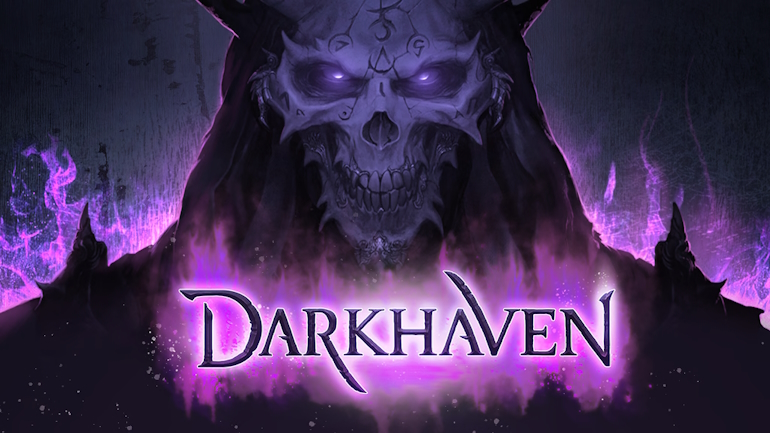
Darkhaven is a new isometric ARPG from Moon Beast Productions, a studio formed by developers who previously worked on early Diablo titles. The project positions itself as a modern evolution of the classic loot-driven action RPG formula, combining procedural worlds, tactical combat, and a strong focus on itemization. Early demos and community discussions suggest the game is trying to bring back the feeling of meaningful loot and build experimentation that defined older ARPGs.
The goal behind Darkhaven is not simply to recreate Diablo-style gameplay, but to push the genre forward with systems that allow players to shape the world around them. Terrain manipulation, persistent environments, and cooperative play are all part of the design philosophy.
Below is a detailed breakdown of the developers, core gameplay mechanics, skill systems, and loot design based on currently available information (demo version is available at Steam).
Video example of gameplay:
History and Developers

Darkhaven is being developed by Moon Beast Productions, a studio founded by industry veterans who worked on classic action RPGs. Several team members previously contributed to early Diablo titles and other well-known projects in the genre, which immediately attracted attention from long-time ARPG fans. The studio positions Darkhaven as a project built on decades of experience with loot-driven gameplay systems.
One of the core messages from the developers is that the game reflects everything they learned from earlier ARPG design. Their goal is to refine the systems that made games like Diablo memorable while avoiding some of the design limitations those titles had due to older technology. This includes deeper world interaction and more dynamic combat encounters.
The team has also chosen an iterative development model. Early demos and public builds are used to gather community feedback before early access. Players on forums and platforms like Reddit actively discuss mechanics, balance, and technical performance, allowing the developers to adjust systems early in development.
Gameplay and Core Features

Darkhaven uses a procedurally generated world structure designed to feel natural rather than random. Instead of disconnected dungeon rooms, environments are built using rules that connect terrain, enemies, and points of interest. This allows exploration to feel more coherent while still providing replayability.
A major gameplay feature is the ability to interact with and reshape the environment. Players can dig, modify terrain, and alter the landscape during exploration or combat. This system allows the world itself to become a strategic element rather than just a static background.
Combat emphasizes positioning and mobility. Encounters are designed around movement, dodging, and reading enemy behavior patterns instead of relying purely on raw damage output. Early impressions from the demo suggest fights feel more tactical compared to many traditional ARPGs.
The game is also designed with both solo and multiplayer experiences in mind. Players can explore the world alone, join cooperative sessions, or participate in competitive modes. Some parts of the game world are persistent, meaning player actions may leave lasting effects in shared environments.
Skill System

Darkhaven uses a skill tree structure that allows players to develop different character builds over time. Instead of a simple linear progression, abilities branch into multiple directions, encouraging players to specialize their character based on preferred combat styles.
In the early demo version of the game, the available skill set is intentionally limited. Test builds reportedly include a small selection of abilities distributed across several skill branches. This setup allows players to experiment with different combinations while the developers gather feedback on balance and progression speed.
The overall design philosophy focuses on synergy between skills and items. Rather than having abilities operate independently, the system is intended to work together with the loot system so that equipment can significantly change how certain skills perform.
Loot System

Itemization is one of the central pillars of Darkhaven. The developers emphasize meaningful loot that can define character builds rather than small incremental stat increases. Equipment is designed to have a strong impact on gameplay and progression.
The system includes items such as relics, runes, and rune-based combinations that can modify equipment. These mechanics allow players to customize gear in ways that directly influence playstyle and combat strategy.
Another important aspect of the loot design is rarity and item identity. Rare drops are intended to feel significant and potentially shape an entire character build. This philosophy reflects the classic ARPG approach where discovering a powerful item can dramatically change how a character is played.
Mechanics and Similar ARPG Games

Darkhaven draws inspiration from classic loot-driven action RPGs while introducing additional environmental systems. The overall structure of combat, itemization, and character progression clearly reflects the influence of earlier Diablo games.
At the same time, the game integrates modern design ideas such as persistent worlds, environmental interaction, and deeper procedural generation. These elements push the experience slightly closer to sandbox-style RPG design rather than purely linear dungeon runs.
Because of this combination, Darkhaven often gets compared to both Diablo-style ARPGs and more modern loot-centric games. The project aims to merge the satisfying item progression of traditional ARPGs with a world that feels more dynamic and reactive to player actions.

My name is Alex Morrison — a gaming analyst and author from the Dallas–Fort Worth region. I specialize in analyzing game mechanics, technologies, and the dynamics of modern video games. I graduated from the University of Texas at Arlington with a degree in game design and interactive media, and I have spent more than ten years studying the development and evolution of game worlds.
In my work, I combine technical expertise with hands-on experience to explain complex processes in a clear, structured, and professional way.


