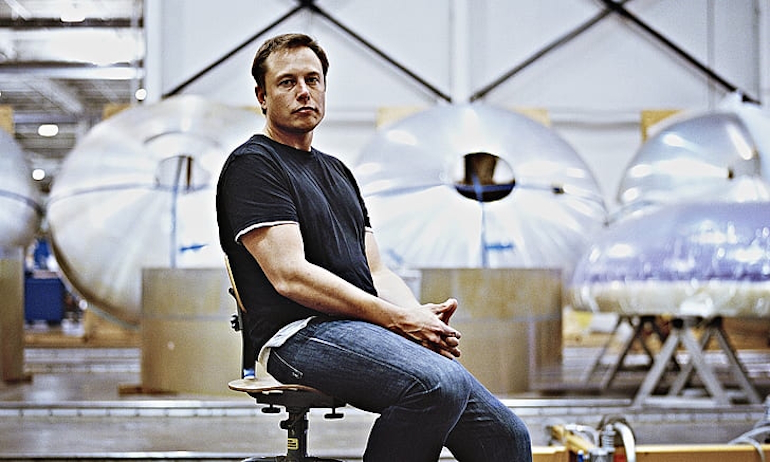
How did Elon Musk actually build his massive fortune, and is it true that he became the world’s first trillionaire? We’re breaking down where his seed capital came from, what really happened with his early investments, and how the actual ownership structure of his companies works—including the true role of major institutional funds like Vanguard and BlackRock.
By getting under the hood of these financial mechanisms, you’ll be able to easily separate loud internet myths from the reality of corporate finance.
First Steps and Hard Truths
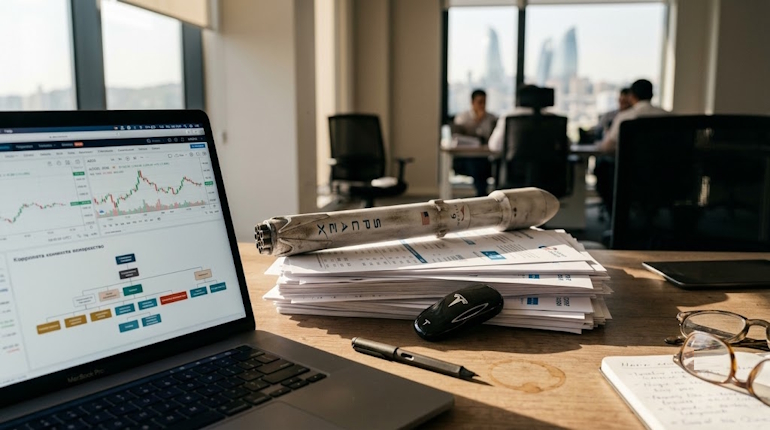
To put it simply, Elon Musk doesn’t keep his money in a cartoon-style vault. All of his wealth is just the market value of the shares in the factories, rocket launch sites, and social media platforms he leads.
If his EVs are selling well, the stock price goes up, and he’s richer on paper; if things go south, he loses billions in a single day. His path to these massive numbers wasn’t paved by secret conspiracies or a magical inheritance, but by incredible risk: he simply took every cent he earned and poured it into new, crazy ideas that no one in the market believed in at the time.
The history of his actual starting capital began in the mid-nineties with the creation of a small startup called Zip2, which developed software for online newspaper versions. There’s a popular myth about his family’s infinite millions, but in reality, the initial investment in the company was only about $28,000, provided by his father, plus small personal savings from Elon and his brother Kimbal. The startup took off during the nascent internet boom, and when the corporation Compaq bought Zip2 in 1999, Musk walked away with his first significant payout—$22 million.
Instead of living off the interest, the entrepreneur invested almost every penny of that income into creating the innovative online bank X.com, which soon merged with its main competitor to become the world-famous payment system PayPal. This move was the turning point in building his massive investment foundation. When the internet giant eBay acquired PayPal in 2002, Musk’s stake brought him about $165 million net after taxes.
After receiving those $165 million, he made an unprecedented decision for investors at the time: he put every last cent into creating the space company SpaceX and developing the Tesla brand. In 2008, both of these companies were on the verge of bankruptcy, and Musk had to borrow money from wealthy friends just to pay his rent.
The survival of these projects and their subsequent phenomenal growth on the global stock market turned his risky bets into hundreds of billions, proving the effectiveness of his “all-in” reinvestment strategy.
Debunking the Myth of the First Trillionaire
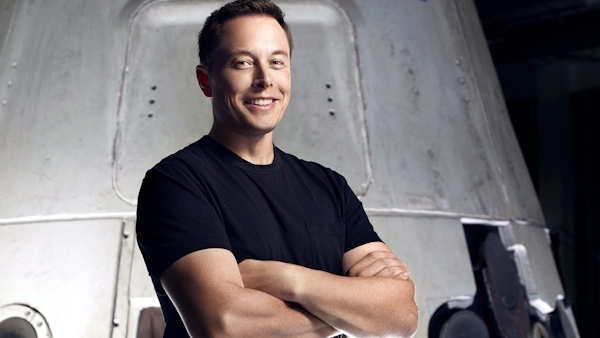
It is worth clarifying the popular myth that Elon Musk has already become the world’s first trillionaire. In fact, it’s not a myth at all—it’s the absolute truth. Let me explain.
Yes, indeed, as of the summer of 2026, Elon Musk became the world’s first trillionaire. After the SpaceX IPO on June 12, his net worth exceeded $1 trillion and is now estimated at approximately $1.1 trillion according to Forbes and Bloomberg. The “myth” was dispelled just a few days ago—SpaceX went public, and that instantly pushed his wealth to that milestone.
-
Historic IPO: June 12, 2026, marked the largest initial public offering in world history. SpaceX successfully debuted on the Nasdaq under the ticker SPCX.
-
Explosive Market Cap Growth: Starting at $150 per share, the stock price surged, and the aerospace company’s market valuation broke the incredible $2 trillion mark on the very first day of trading.
-
Elon Musk’s New Status: Considering Musk’s majority stake in SpaceX (about 42%), as well as the value of his Tesla assets (which are valued at $1.2 trillion on their own), his total personal capital has officially reached $1.1 trillion according to current Forbes and Bloomberg calculations.
It makes for an interesting fact. It turns out that this one individual is wealthier than the entire federal budget of the Russian Federation.
Yes, that is correct. Based on the $1.1 trillion valuation, Musk’s personal fortune is almost three times larger than Russia’s annual federal budget.
To put it in perspective:
-
The annual Russian budget (projected revenue) in recent years has balanced at about $350–400 billion (depending on exchange rates).
-
Elon Musk’s capital ($1.1 trillion) equals $1,100 billion.
However, it is important to distinguish between a government budget and the size of an economy as a whole. If you compare it to Russia’s GDP (the total value of all goods and services produced in the country per year, which is over $2 trillion), Musk is still about halfway there. But he could certainly fund all of the country’s government expenses for a couple of years in advance!
Who Really Owns Musk’s Companies?
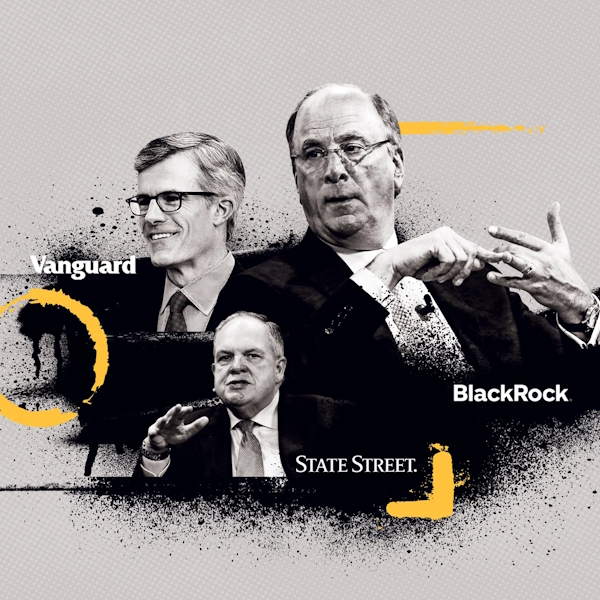
The question of who owns his empire is often surrounded by conspiracy theories, especially when the press mentions giant investment firms like BlackRock and Vanguard.
Indeed, these organizations hold large stakes in the billionaire’s public companies (usually in the 5–10 percent range), but they are absolutely not some kind of shadow puppet masters. These funds act like massive piggy banks: they simply buy shares mechanically using money from tens of millions of regular citizens for their retirement and index savings accounts. Musk himself does not answer to these funds and remains Tesla’s largest individual shareholder with colossal influence over the board of directors.
In the case of his other companies, the situation is even more straightforward: he operates entirely on his own and answers to no one.
SpaceX, xAI, Neuralink, and the social network X (formerly Twitter) are private, non-public companies whose securities are not traded on the open stock exchange. In these corporate structures, Musk holds the absolute majority of voting shares, which gives him the legal right to make any management decisions without looking over his shoulder at Wall Street analysts or major third-party investors.
Capital Structure and Timeline of Success
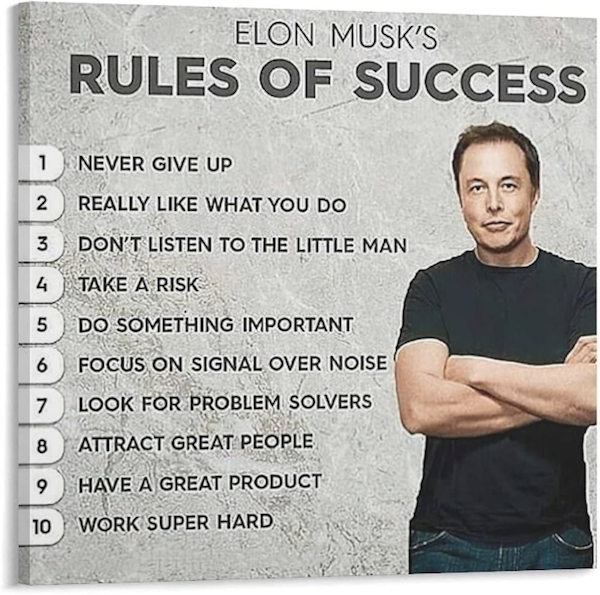
The timeline of how his starting capital was formed and his subsequent financial growth includes several key historical stages. These sequential steps clearly illustrate how his personal income scaled from his first internet projects to heavy industry:
-
1995: Secured about $28,000 in seed capital from family and launched the startup Zip2.
-
1999: Sold the Zip2 project for $307 million, with Musk’s share totaling $22 million.
-
2002: Invested all available capital into X.com (PayPal) and its subsequent sale to eBay, which netted him $165 million.
-
2008–Present: Invested all of his capital into developing Tesla and SpaceX, the market caps of which made him the wealthiest person in modern history.
Regarding the current corporate status of his enterprises, they can be divided into two fundamentally different categories of ownership. This structure allows him to perfectly balance attracting external capital while maintaining strict personal control:
-
Public Assets: Companies whose shares are traded freely on the stock exchange and where large institutional funds are present strictly as passive holders.
-
Private Assets: Closed corporations with a limited pool of trusted investors, fully protected from the pressure of the open stock market and bureaucracy.
The overall picture of corporate control confirms that Elon Musk maintains maximum independence in conducting business and is not “owned” by corporations. The table below details the legal status of the billionaire’s main projects and his actual level of management influence today.
| Company Name | Status on Financial Market | Elon Musk’s Control Level |
| Tesla | Public (traded on exchange) | Largest individual shareholder, massive influence |
| SpaceX | Private (closed to exchange) | Majority owner, absolute management control |
| X (Twitter) | Private (closed to exchange) | Primary owner, right to sole management of platform |
| Neuralink | Private (closed to exchange) | Founder and primary controlling shareholder |
Asceticism at a Trillion-Dollar Scale: How Elon Musk Really Lives

Elon Musk’s daily life is a paradoxical combination of harsh domestic asceticism and colossal spending on logistics.
On one hand, having become the world’s first trillionaire in June 2026, he continues to be based in a tiny prefabricated house from the startup Boxabl, measuring just 37–40 square meters and worth $50,000, which he rents from SpaceX in Boca Chica, Texas, right next to the rocket launch pad.
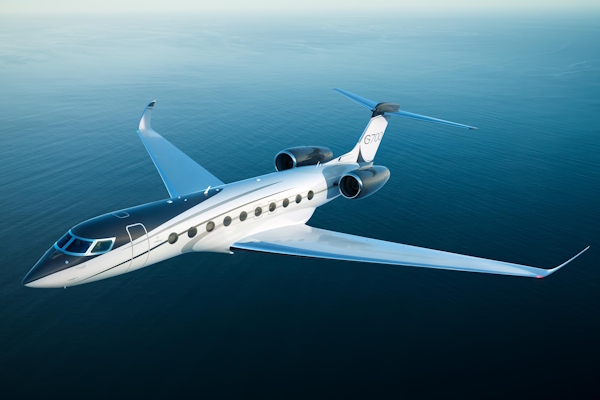
His mother, Maye Musk, after visiting her son, openly shares in interviews that there is literally no food in his fridge, a Spartan atmosphere reigns in the house, and there is only one towel in the bathroom. On the other hand, the billionaire doesn’t skimp on anything that saves his most valuable resource—time. He owns an impressive fleet of private jets, including the latest flagship Gulfstream G700 worth $78 million with a massive business cabin, on which he flies almost around the clock between Texas, California, and Washington.
When it comes to fashion and personal items, Musk shows complete indifference to classic European luxury, ignoring products from fashion houses like Gucci or Louis Vuitton.
His everyday wardrobe consists of simple dark jeans, basic T-shirts (often corporate merch from Tesla, SpaceX, or shirts with slogans like “Occupy Mars”), and massive, rugged boots. Even at meetings at the White House or major political rallies, he easily breaks the dress code, appearing in hats with slogans like “Dark MAGA” and regular hoodies, which leads fashion critics to periodically compare his style to a tabletop gaming tournament participant.
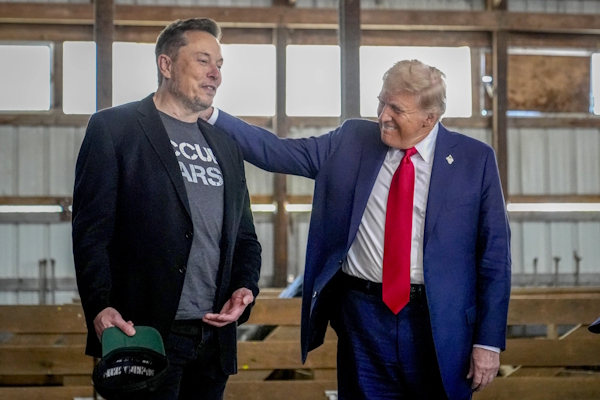
For Musk, clothing is not a display of wealth, but a tool for personal branding: he wears expensive designer suits (e.g., Tom Ford) only for high-status red carpets like the Met Gala, and the rest of the time prefers to wear and promote only his own brands.
Why Elon Musk Isn’t Chasing Eternal Youth
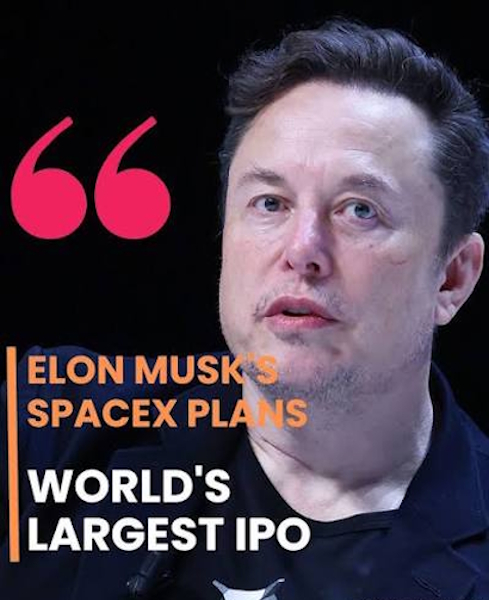
In reality, the idea that Elon Musk completely ignores his appearance is a popular misconception, as the billionaire has been actively and quite successfully using the achievements of modern aesthetic medicine for many years.
If you compare his archival photos from the PayPal era with footage from 2026, the radical changes are obvious: high-quality hair transplants, dental alignment, jawline correction, and the use of advanced biotechnological weight-loss drugs, which he himself has openly written about on social media.
However, an extreme lifestyle and a colossal level of chronic stress prevent him from looking “20 years younger.” Simultaneously managing SpaceX, Tesla, xAI, and the X platform involves constant sleep deprivation and 24/7 demands, which trigger deep biological aging processes that cannot be completely masked or stopped, even with an unlimited budget.
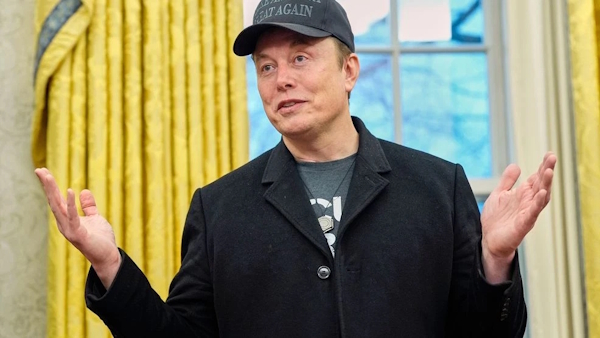
Furthermore, Musk’s personal philosophy and the specifics of his target audience play a key role here, where excessive chasing of artificial youth is considered destructive narcissism. Unlike radical biohackers spending millions of dollars on injections and strict diets for perfect lab results, Musk has publicly stated that super-longevity for an individual is meaningless for evolution and could lead to societal stagnation.
For him, the key priority is maintaining mental sharpness and high productivity to solve global challenges, such as the colonization of Mars. In the circles of heavy industry and space engineers, light signs of natural aging and a rugged, slightly tired look work to project the image of a leader who personally sleeps on the factory floor rather than spending days in closed rejuvenation spas.

Welcome to Poznayu.com!
My name is Alex, and I founded this project together with a team of like-minded professionals. At Poznayu.com, we create in-depth reviews, explore fascinating facts, and share well-researched, reliable knowledge that helps you navigate complex topics with confidence.
Our mission is simple: to explain complicated ideas in clear, accessible language. We believe that high-quality information should be available to everyone. Every article we publish is designed to provide practical value, actionable insights, and trustworthy analysis you can rely on.
Join our growing community of curious readers. Your feedback matters — share your thoughts in the comments, ask questions, and suggest topics you’d like us to cover next.


