Candidiasis is a fungal infection caused by yeast-like fungi of the Candida genus. These organisms naturally live in the human body, but under certain conditions they can overgrow and trigger infection. The mucous membranes of the mouth, gut, and genitourinary tract are most commonly affected, though in severe cases the fungus can enter the bloodstream and spread to internal organs.
Understanding how candidiasis develops helps you recognize it early and start proper treatment before it becomes chronic or systemic.
What Is Candidiasis ?
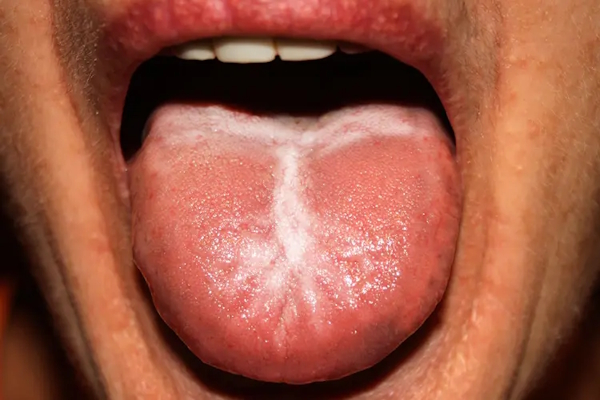
Candidiasis is a fungal infection most often caused by Candida albicans. In a healthy body, this yeast exists in balance with other microorganisms and doesn’t cause harm. But when the immune system is weakened—due to antibiotics, hormonal changes, poor diet, or illness—it can multiply rapidly and trigger inflammation and symptoms. In everyday language, this is often called a “yeast infection,” although that’s just one form of candidiasis.
Think of your body as an ecosystem where bacteria and fungi coexist. When that balance is disrupted—like after antibiotics wipe out beneficial bacteria—the yeast can take over. It produces toxins, causes itching, burning, and white discharge, and can spread deeper if left untreated. That’s why candidiasis isn’t just an irritation—it requires medical attention.
It’s important to understand that candidiasis is not a sign of poor hygiene. It’s a result of internal imbalance. Effective treatment involves not only antifungal medications but also restoring the microbiome, strengthening immunity, and addressing underlying triggers.
History of the Disease
Yeast-like fungi were first described in the 19th century, but for a long time they were considered harmless. That changed in the mid-20th century with the widespread use of antibiotics, which led to a surge in fungal infections. It became clear that suppressing bacterial flora creates an opportunity for fungi to thrive.
In the 1970s, polyene antifungals (like nystatin and amphotericin B) were introduced, followed by azoles (ketoconazole, fluconazole), which became the standard treatment. Over time, resistance emerged, pushing researchers to develop new strategies. Today, treatment in the U.S. typically combines antifungal therapy, dietary adjustments, microbiome restoration, and sometimes immune support.
How Candidiasis Is Treated in the United States
In the U.S., treatment is highly individualized and depends on the location and severity of the infection, as well as the patient’s overall health.
- For mild cases (such as oral thrush or vaginal yeast infections), doctors usually prescribe topical antifungals—creams, suppositories, or rinses containing clotrimazole, miconazole, or nystatin. Completing the full course is essential, even if symptoms improve early.
- For recurrent or systemic infections, oral antifungals are used—most commonly fluconazole (Diflucan).
- In severe cases where the infection spreads into the bloodstream or organs, intravenous medications (like caspofungin or amphotericin B) are administered in a hospital setting.
- U.S. clinicians also focus on identifying underlying conditions. Blood sugar levels are checked, immune deficiencies are ruled out, and gut microbiome health is assessed.
- Diet plays a role as well. A low-sugar, low-refined-carb diet is often recommended since Candida feeds on glucose.
- Probiotics—especially Lactobacillus rhamnosus GG and Saccharomyces boulardii—are commonly used to restore microbial balance. In some cases, immunotherapy may be considered, particularly for patients with recurrent infections.
Symptoms of Candidiasis

Symptoms vary depending on the affected area, but common signs include itching, burning, redness, and a white, cottage cheese–like coating.
Oral candidiasis (thrush) appears as white patches on the tongue, gums, and inner cheeks, which may bleed when scraped. Vaginal yeast infections cause thick white discharge, itching, and discomfort during urination. In men, symptoms include redness, itching, and swelling of the head of the penis.
Skin candidiasis shows up as red, moist patches in skin folds (under the breasts, groin, between fingers), often with a whitish coating. Intestinal candidiasis may cause bloating, diarrhea, abdominal pain, and fatigue.
In invasive candidiasis, symptoms include fever, chills, and signs of sepsis—this is a medical emergency.
How to Check for Candidiasis at Home
A reliable diagnosis can’t be made at home, but some simple checks may indicate a possible issue.
- One common method is the saliva test: in the morning before eating or brushing your teeth, spit into a glass of water. If after 15–30 minutes the saliva sinks or forms stringy structures, it may suggest yeast overgrowth. This test isn’t definitive but can signal the need for medical evaluation.
- Other options include vaginal pH test strips (for suspected yeast infections) or blood glucose testing, since diabetes is a common underlying factor.
However, these methods are only preliminary. A confirmed diagnosis requires lab testing—microscopy, culture, or PCR.
Tracking diet and symptoms can also help. Reducing sugar, refined carbs, and alcohol for a few weeks may lead to noticeable improvement, reinforcing the link. Still, self-treatment is risky—incorrect antifungal use can lead to resistance and chronic infection.
Eye Candidiasis: A Rare but Serious Form
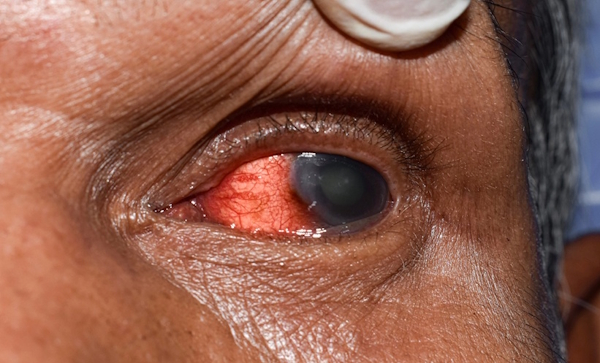
Ocular candidiasis (fungal eye infection) is a serious condition that occurs when the fungus spreads to eye tissues, usually through the bloodstream during systemic infection. It’s more common in immunocompromised patients or after invasive procedures.
Symptoms include eye pain, redness, blurred vision, light sensitivity, and floaters. Without treatment, it can lead to corneal scarring, retinal detachment, and permanent vision loss.
Diagnosis requires an ophthalmologic exam with pupil dilation and may include ultrasound or OCT imaging. Treatment involves systemic antifungals (fluconazole, voriconazole), eye drops, and in severe cases, intravitreal injections.
This condition is almost never primary—it’s typically a complication of systemic candidiasis. Patients with recurrent infections or risk factors (diabetes, long-term steroid use, immunosuppression) should have regular eye exams.
Consequences of Untreated Candidiasis
If left untreated, candidiasis can become chronic. Chronic mucosal infections lead to ongoing discomfort, tissue damage, and increased risk of secondary bacterial infections.
In women, recurrent yeast infections significantly reduce quality of life, cause pain during intercourse, and may complicate pregnancy.
The most dangerous complication is invasive candidiasis, where the fungus enters the bloodstream and spreads to internal organs. This condition primarily affects critically ill or immunocompromised patients. Mortality rates can reach 40–60%.
Even with successful treatment, long-term complications may include kidney damage, endocarditis, or fungal meningitis. That’s why early diagnosis and proper treatment are critical.

Welcome to Poznayu.com!
My name is Alex, and I founded this project together with a team of like-minded professionals. At Poznayu.com, we create in-depth reviews, explore fascinating facts, and share well-researched, reliable knowledge that helps you navigate complex topics with confidence.
Our mission is simple: to explain complicated ideas in clear, accessible language. We believe that high-quality information should be available to everyone. Every article we publish is designed to provide practical value, actionable insights, and trustworthy analysis you can rely on.
Join our growing community of curious readers. Your feedback matters — share your thoughts in the comments, ask questions, and suggest topics you’d like us to cover next.