Discover the most amazing and unusual facts about Arizona that reveal the true character of this legendary region. We will take a deep dive into its unique geographical anomalies, bizarre laws, climate contrasts, and the rich cultural heritage of the American Southwest.
While on vacation, a few members of our team spent some time traveling through Arizona. This detailed breakdown will help you understand what daily life looks like in the desert and why this region remains the primary stronghold for Native American traditions.
What Real Life in Arizona Looks Like
When we think of Arizona, a classic image from old Western movies instantly pops into mind: an endless, sun-baked desert, a scorching sun, tumbleweeds, and giant cacti with arm-like branches. In reality, this region is far more complex and easily shatters those stereotypes.
Here, you can drive in a single day from suffocating, 100-degree desert heat straight into cool mountain forests where winter brings plenty of snow and active ski resorts.
Local life is full of quirks, bizarre laws, and unexpected natural contrasts that will surprise any traveler used to standard major metropolises.
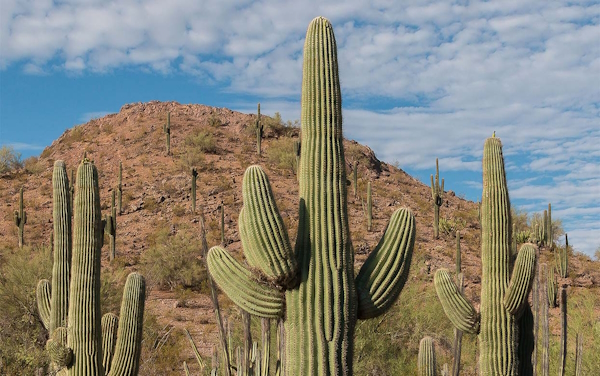
One of the main signatures of the local landscape is the famous saguaro cactus, which is protected by the state just as strictly as historic architectural landmarks. These giant plants grow incredibly slowly: a saguaro’s first arm-like side branch doesn’t appear until it is seventy-five or even a hundred years old. If anyone decides to cut down, damage, or dig up one of these wild plants for fun or out of carelessness, they face a very real prison sentence of up to twenty-five years, which is why locals treat these cacti with massive respect.
Arizona is also notable for being the only state in the contiguous US that completely refuses to observe Daylight Saving Time. Summer here is so brutally hot that residents consciously choose not to extend the evening daylight hours, preferring the sun to set as early as possible to bring on the evening cool. Because of this, for half the year local time aligns with Pacific Time, and for the other half with Mountain Time, which constantly confuses visitors. The only exception within the region is the massive Navajo Nation reservation, which follows nationwide rules and actually changes its clocks.
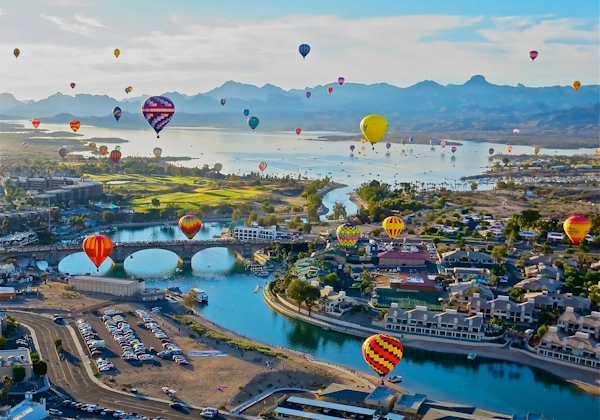
Fans of unusual architecture travel to the small Arizona city of Lake Havasu City specifically to see the real, historic London Bridge. In the late 1960s, the original stone bridge in the UK capital began to slowly sink under the weight of modern traffic, and the government decided to sell it. An enterprising Arizona businessman bought the structure from the British government, after which it was carefully disassembled brick by brick, shipped across the ocean, and reassembled right in the middle of the American desert.
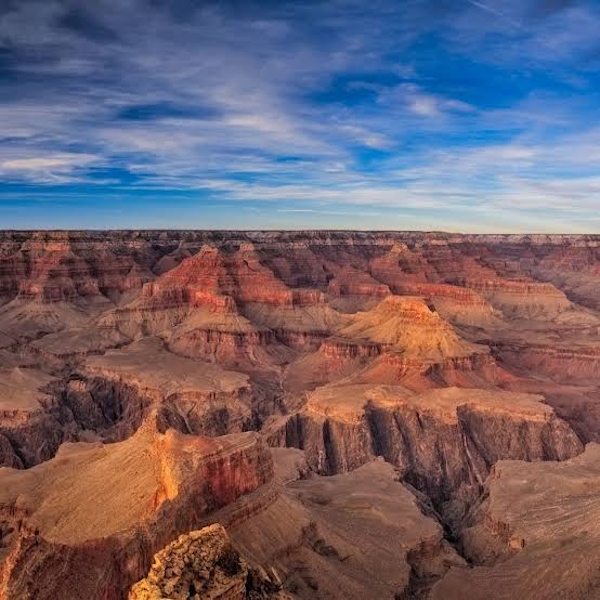
Contrary to popular myths about endless sand dunes and scorched earth, Arizona is home to the world’s largest continuous ponderosa pine forest. The entire northern part of the state is a massive, high-altitude plateau covered in dense coniferous greenery and carved by deep, rocky canyons. The cool climate here is a world away from the scorching south, creating ideal conditions for wildlife, thick woodlands, and mountain hikers.
Arizona has a completely official and highly distinctive state symbol—the bolo tie. This traditional cowboy accessory consists of a leather or cord string with a decorative metal clasp, often adorned with turquoise or silver. Even high-ranking officials, judges, and businessmen wear these ties instead of classic silk ones to important business meetings and formal events, highlighting the unbreakable link between modern culture and the Wild West era.
The region is also famous for a unique geographic spot known as the Four Corners, where you can stand in four different states at the exact same time. At this unique intersection, the administrative borders of Arizona, Utah, Colorado, and New Mexico meet at perfect right angles. Travelers love to position themselves right in the center of the granite monument so their hands and feet are technically located within four completely separate sovereign states.
A Comparative Look at Natural Zones and Living Conditions
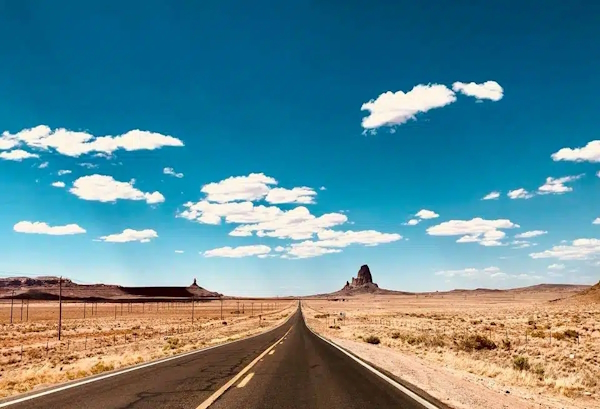
To better understand the unique lifestyle in this Southwest region, it is worth paying attention to the core features of local climate and geography. When planning a road trip through the state, tourists are advised to consider a few crucial regional factors beforehand:
-
Extreme temperature swings between daytime heat and nighttime chill in low-lying desert areas.
-
A complete lack of seasonal clock changes across most of the inhabited territory.
-
The necessity of obtaining official tribal permits to visit certain sacred Native American lands.
Beyond its massive natural beauty, this southern land possesses a unique cultural atmosphere shaped daily by a multitude of small details. The core authentic symbols that define the region’s recognizable identity include the following elements:
-
Unique, handcrafted silver jewelry featuring natural turquoise, created by local Native American artisans.
-
Tall cowboy boots and leather bolo ties that have become a fully accepted part of the official business dress code.
-
Traditional southwestern cuisine that seamlessly blends Mexican and Native American culinary secrets.
For a clear comparison of Arizona’s key natural landscapes, their climate conditions, and major points of interest, take a look at the following summary table.
| Natural Zone | Dominant Landscape | Climate Features | Main Attraction |
| Southern Deserts | Sand, rocky soil, giant saguaro cacti | Extreme summer heat, minimal rainfall | Sonoran Desert |
| Central Plateau | Deep canyons, scenic red rock formations | Temperate, arid climate with high winds | The city of Sedona and Oak Creek Canyon |
| Northern Highlands | Dense pine forests, soaring mountain peaks | Cool summers, heavy snowy winters | The famous Grand Canyon |
Why Arizona is Considered the Heart of Native America
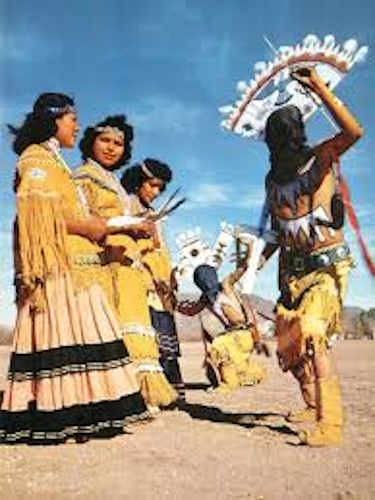
Arizona fully deserves its status as a core hub of Native America due to the powerful historical presence and immense influence of Native American tribes on the local culture, place names, and state identity.
Today, twenty-two sovereign Native American communities are officially recognized within the state, including the world-famous and populous Navajo, Hopi, Pueblo, and Apache nations. Tribal reservations legally encompass more than a quarter of the state’s total land area, making Arizona the absolute leader in the country for land under direct indigenous governance. This is not just a line in a history textbook, but a living political reality where tribes maintain their own courts, police forces, laws, and governments.
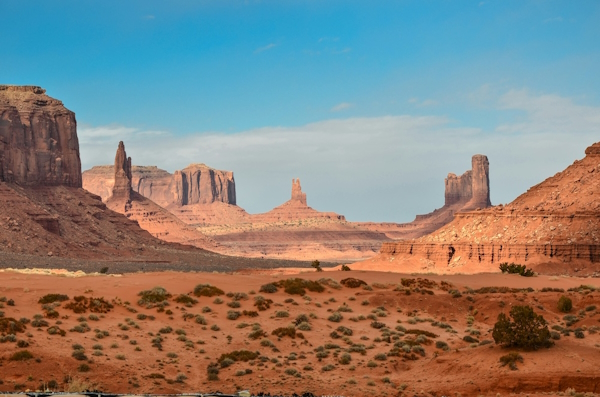
Here, the deep historical roots of Native America are palpable at every turn, from county names to daily life. Local indigenous nations did not assimilate completely; instead, they carefully preserved their unique ancient languages, religious ceremonies, intricate crafts, and philosophy, turning them into a vital pillar of the region’s cultural identity. Unique sacred spaces, like the stunning Monument Valley or the majestic Canyon de Chelly, are protected as ancestral lands. Modern life in Arizona is inextricably woven into this ancient soil, whose history began centuries before the arrival of the first European colonizers, making the region a true stronghold and guardian of indigenous American civilization.

Welcome to Poznayu.com!
My name is Alex, and I founded this project together with a team of like-minded professionals. At Poznayu.com, we create in-depth reviews, explore fascinating facts, and share well-researched, reliable knowledge that helps you navigate complex topics with confidence.
Our mission is simple: to explain complicated ideas in clear, accessible language. We believe that high-quality information should be available to everyone. Every article we publish is designed to provide practical value, actionable insights, and trustworthy analysis you can rely on.
Join our growing community of curious readers. Your feedback matters — share your thoughts in the comments, ask questions, and suggest topics you’d like us to cover next.