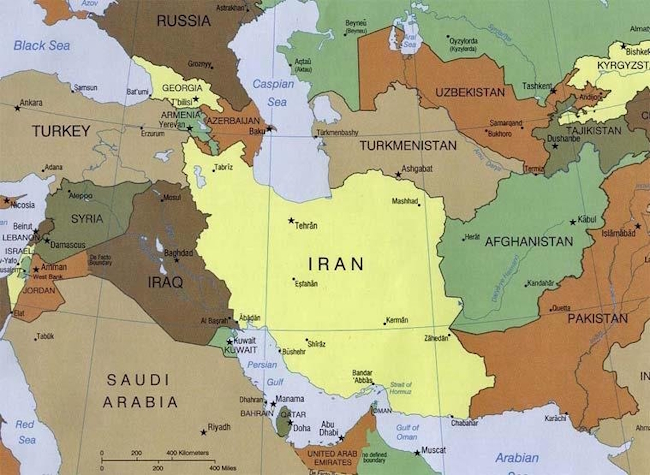
Starting February 28, 2026, Iran launched missile and drone strikes against neighboring countries hosting American bases or strategic assets. These targets included Iraq, Saudi Arabia, the United Arab Emirates, Bahrain, Qatar, Jordan, Kuwait, and Azerbaijan. Each of these nations possesses significant military forces that could seriously influence the course of any potential conflict.
This analysis examines the capabilities of each country, compares their relative strengths, and assesses the likelihood of them forming a unified coalition against Iran.
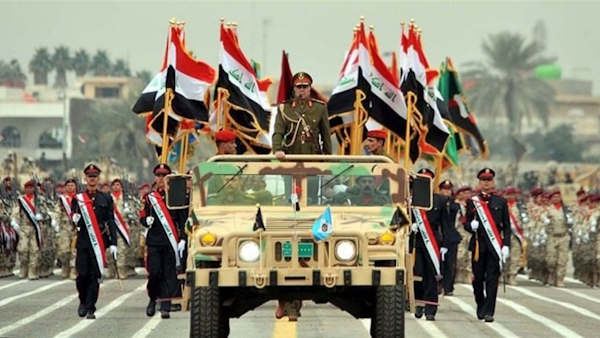
Iraq maintains a regular army of approximately 200,000 personnel alongside powerful Popular Mobilization Forces that have proven effective against terrorist groups. The country has received modern American weaponry including Abrams tanks, Apache helicopters, and Patriot air defense systems, enabling effective protection of key installations. Iraq’s military budget allows for maintaining high readiness levels amid persistent regional threats.
However, internal divisions and the strong influence of pro-Iranian militias significantly weaken unified command structures. Iraq must constantly balance between American presence and Tehran’s pressure, resulting in extremely cautious military policy. In case of escalation, the country can rapidly mobilize additional forces, though its capabilities remain constrained by logistics and dependence on external assistance.
Iraq possesses a developed network of bases and airfields used by the coalition, though these facilities face regular attacks. This positions Iraq as a key regional player capable of either containing or amplifying pressure on Iran. Iraqi military doctrine focuses primarily on internal defense and stability rather than offensive operations beyond its borders.
Overall, Iraq’s military potential allows it to function as a buffer state rather than an independent participant in major warfare. The country possesses sufficient resources for territorial defense, but its involvement in any broader conflict remains limited by internal risks and economic dependencies.
Saudi Arabia’s Military Capabilities
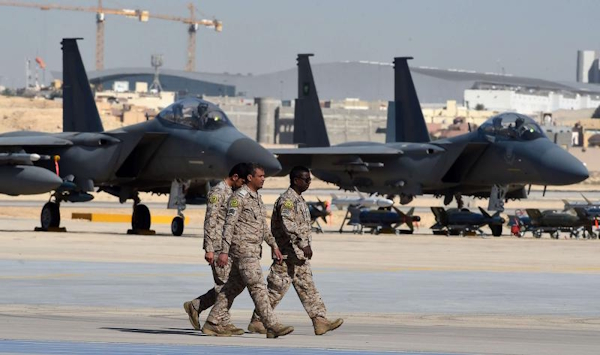
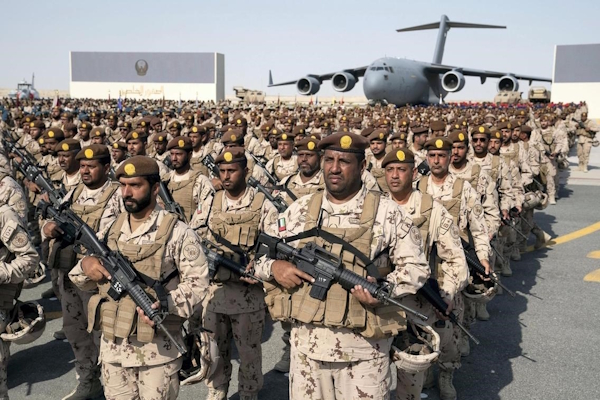
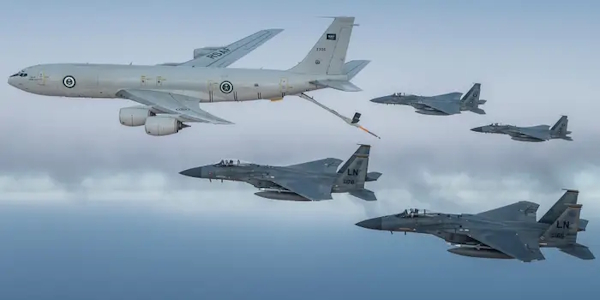
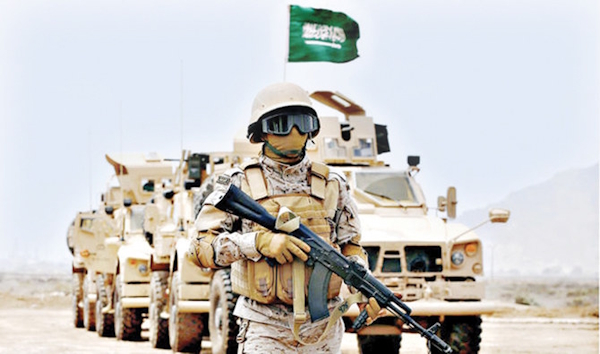
Saudi Arabia fields one of the region’s largest and most modern armies with an annual budget exceeding 75 billion dollars. The kingdom operates hundreds of American F-15 and F-16 fighters, advanced Patriot and THAAD air defense systems, and a powerful naval presence in the Persian Gulf. Armed forces number over 200,000 professional soldiers capable of conducting complex long-range operations.
Combat experience in Yemen has provided the Saudi military valuable skills in coordination and precision weapon employment. The country actively develops domestic defense industries while maintaining strategic partnerships with the United States and United Kingdom. This positions Saudi military potential among the highest of Iran’s neighbors.
Nevertheless, Saudi Arabia prefers to avoid direct confrontation with Iran, focusing instead on protecting critical oil infrastructure and major cities. Its military doctrine emphasizes defense and deterrence rather than full-scale offensive operations. In wartime, the kingdom would likely provide basing and logistics support to any coalition but would probably refrain from committing substantial ground forces.
Saudi military capabilities enable it to exercise regional leadership, though economic risks and oil dependence make the kingdom extremely cautious about direct conflict participation.
United Arab Emirates’ Military Capabilities
The UAE maintains a compact yet highly professional army with a budget around 20 billion dollars. The country operates French Mirage 2000 and American F-16 fighters, advanced drones, modern air defense systems, and elite special forces with overseas operational experience. Armed forces number approximately 65,000 personnel distinguished by high training standards.
The UAE actively develops cyber warfare capabilities and intelligence services, providing advantages in modern conflict scenarios. The country gained combat experience in Yemen and Libya, demonstrating effective joint operations with Western partners. This positions UAE military potential as among the most technologically advanced in the region.
However, the Emirates prioritize neutrality and focus on protecting their territory and economic interests. In case of conflict, they would likely provide basing and intelligence support while avoiding direct ground operations. Their military doctrine emphasizes high-tech defense and rapid response capabilities.
UAE military potential enables effective protection of critical assets and coalition participation, though economic dependence on regional stability limits aggressive posturing.
Bahrain’s Military Capabilities
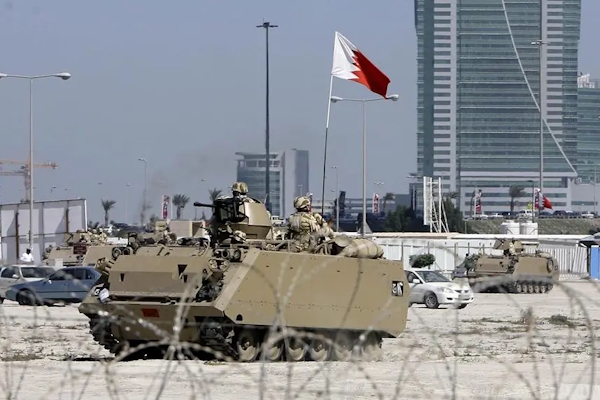
Bahrain maintains a small but well-equipped army with a budget of approximately 1.5 billion dollars. The country hosts the United States Fifth Fleet headquarters and operates modern American air defense systems and F-16 fighters. Armed forces number around 18,000 personnel focused on protecting key installations.
Bahrain actively cooperates with the United States and Saudi Arabia, gaining access to advanced technology and intelligence. The country has joint operations experience and can respond rapidly to emerging threats. This makes Bahrain an important element of regional defense architecture.
However, small size and external dependence limit Bahrain’s independent action capability. In wartime, the country would become an early Iranian target, though its military potential allows effective defense with coalition support.
Bahrain’s military potential appears modest in absolute numbers, but strategic location and close US ties make it a key player in any Persian Gulf conflict.
Qatar’s Military Capabilities
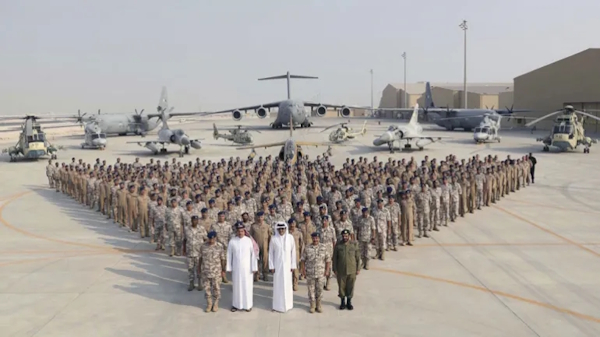
Qatar fields a modern army with a budget around 6 billion dollars and hosts the major American Al Udeid air base. The country operates American F-15 fighters, advanced air defense systems, and maintains capable naval and special forces units. Armed forces number approximately 12,000 personnel oriented toward high-tech defense.
Qatar actively develops domestic defense industries while cooperating with Turkey and the United States. This provides access to advanced technology and intelligence sharing. The country has regional operations experience and can effectively defend its territory.
Nevertheless, Qatar prefers diplomacy and economic influence over direct military engagement. In wartime, its bases would become Iranian targets, though military potential enables effective threat response with allied support.
Qatar’s military potential remains modest in size, but strategic location and strong US ties make it an important regional security element.
Kuwait’s Military Capabilities
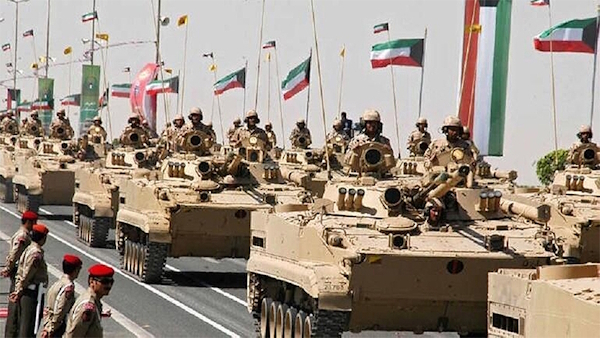
Kuwait maintains a compact but well-equipped army numbering approximately 18,000 personnel with an annual budget around 7 billion dollars. The country actively purchases American and British weaponry including M1A2 Abrams tanks, F/A-18 fighters, and advanced Patriot air defense systems. Particular attention goes to naval and coastal defense forces, given Kuwait’s strategic Persian Gulf coastline controlling vital maritime routes.
Kuwaiti military doctrine emphasizes defense and close cooperation with the United States. American military installations on Kuwaiti territory serve as coalition logistics hubs. The country’s experience from the 1990-1991 Iraqi invasion drives massive investment in border fortifications and air defense systems.
However, small territorial size and limited force numbers prevent Kuwait from conducting independent offensive operations. The country relies on allied support and prefers serving as a reliable rear area: providing bases, fuel, and intelligence. In full-scale conflict, Kuwait would become an early Iranian target due to proximity and American presence.
Overall, Kuwait’s military potential enables effective territorial defense and coalition support while remaining dependent on external assistance and unable to independently shift regional power balances.
Jordan’s Military Capabilities
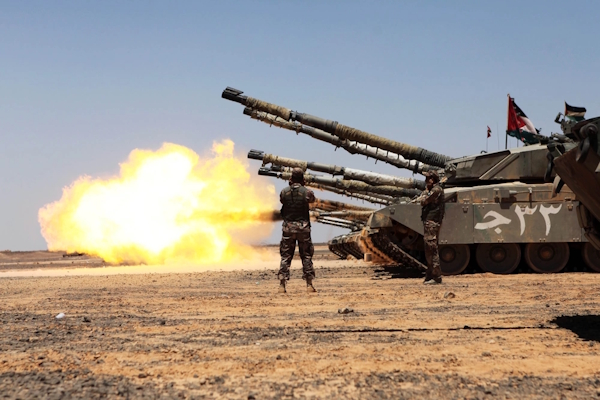
Jordan fields one of the region’s most professional and disciplined armies with approximately 100,000 personnel and a budget around 2 billion dollars. The country operates modern American and British equipment including M60 tanks, F-16 fighters, Apache helicopters, and highly trained special forces with extensive international operations experience. Jordanian intelligence services rank among the Middle East’s best.
Jordanian military doctrine focuses on border defense and counterterrorism. The country actively cooperates with the United States and NATO, participated in the anti-ISIS coalition, and regularly conducts joint exercises. Jordan maintains significant special operations forces capable of independent or multinational group action.
Nevertheless, economic constraints and limited territory prevent Jordan from maintaining a large offensive army. The country concentrates on defending key assets and controlling borders with Syria and Iraq. In war with Iran, Jordan would likely adopt a neutral-defensive posture, providing intelligence and logistics to allies.
Jordan’s military potential makes it a valuable coalition partner due to professionalism and intelligence capabilities, though it remains neither prepared nor capable of conducting major offensive operations against Iran independently.
Azerbaijan’s Military Capabilities
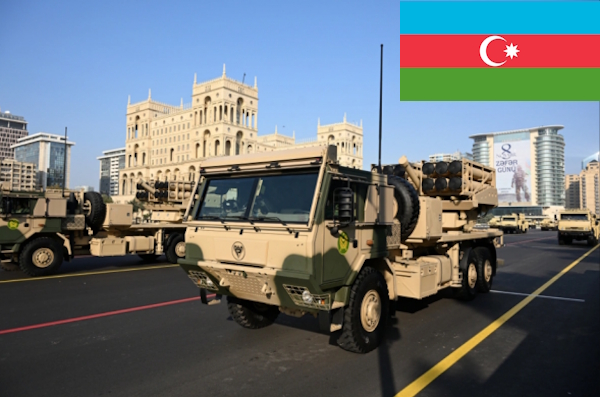
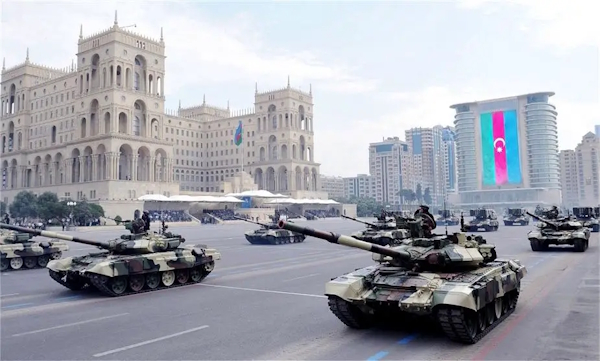
Azerbaijan fields one of the most modern and combat-capable armies among Iran’s neighbors with approximately 75,000 personnel and a military budget around 3.5-4 billion dollars. The country actively purchases Turkish and Israeli weaponry including Bayraktar TB2 and Harop strike drones, upgraded T-72 tanks, advanced air defense systems, and precision-guided munitions. The Azerbaijani army demonstrated high effectiveness in the 2020 and 2023 wars with Armenia, pioneering regional drone warfare for breakthrough operations.
Azerbaijani military doctrine emphasizes rapid offensive operations and air dominance. The country has joint exercise experience with Turkey and NATO, strong intelligence services, and well-trained special forces. Particular emphasis goes to unmanned aerial vehicles and cyber units, making Azerbaijan’s army among the region’s most technologically advanced.
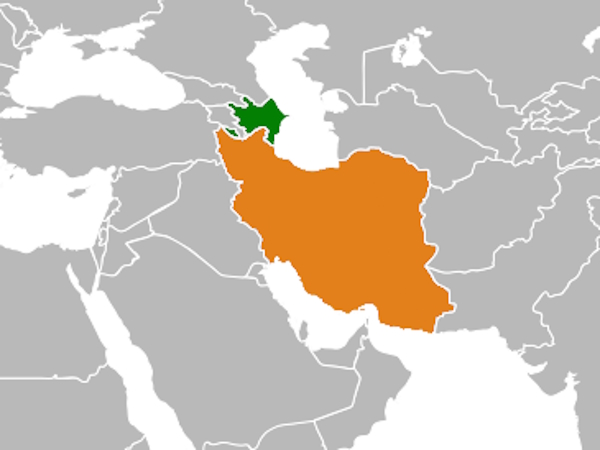
Azerbaijan’s geographic position makes it critically important: over 700 kilometers of shared border with Iran and control over strategic transport corridors. In wartime, Azerbaijan could rapidly close Iran’s northern flank and provide territory for allied operations. The country maintains tense relations with Tehran over Iranian support for separatist sentiments among Azerbaijan’s ethnic population within Iran.
Azerbaijani military potential enables independent limited offensive operations and effective support for any anti-Iranian coalition. Through Turkish-Israeli alliance relationships and recent combat experience, Azerbaijan ranks among Iran’s most dangerous neighbors in case of full-scale conflict.
Comparison of Military Capabilities Among Iran’s Neighbors
Comparing military capabilities across all eight of Iran’s neighbors, Saudi Arabia and the UAE emerge as undisputed leaders in budget and equipment quality. Hundreds of modern fighters, powerful air defense systems, and strong naval forces give them air and maritime superiority.
Iraq stands out for largest army size but suffers from internal divisions and external dependence. Azerbaijan occupies a unique position: though smaller in size, its army possesses the most modern Turkish-Israeli weaponry and genuine recent combat experience.
Kuwait, Bahrain, and Qatar trail in army size, yet their strategic locations and major American bases—the Fifth Fleet in Bahrain and Al Udeid in Qatar—make them critically important for coalition logistics and air operations.
Jordan excels in professionalism, intelligence, and special forces but remains primarily defensive due to economic constraints and limited territory.
Looking at the broader picture, a coalition of these eight nations would significantly outmatch Iran in weapons quality, training levels, and technological sophistication, particularly in air and naval domains.
However, political will and fear of retaliatory strikes against oil infrastructure and population centers remain critical variables. The presence of pro-Iranian factions within Iraq complicates any unified stance, while Gulf states prioritize economic stability over military confrontation. Azerbaijan appears most willing and capable of offensive action given existing tensions and recent military successes, but its smaller size limits strategic impact.
The key question remains whether shared concern over Iranian aggression can overcome historical rivalries and competing interests to forge an effective military coalition. Without American leadership and direct commitment, these eight nations possess ample capability but insufficient collective will to challenge Iran decisively.
Could Azerbaijan Go to War with Iran?
Azerbaijan has the most compelling reasons among Iran’s neighbors to consider military action. Beyond the 700-kilometer shared border, deep historical and ethnic tensions fuel mutual suspicion. Tehran’s support for separatist tendencies among Azerbaijan’s ethnic population in northern Iran remains a constant irritant in bilateral relations. The Azerbaijani leadership views Iran as a direct threat to its territorial integrity and has been strengthening its military precisely with this threat in mind.
The Azerbaijani army’s recent battlefield successes against Armenia have given it confidence in its ability to conduct offensive operations. The integration of Turkish and Israeli technology, combined with battle‑hardened drone tactics, provides a capability set that could threaten Iranian border positions. Moreover, Azerbaijan’s close military cooperation with Turkey, a NATO member, offers a potential pathway for broader alliance support.
However, any Azerbaijani entry into a war against Iran would carry enormous risks. Iran could retaliate by targeting Azerbaijan’s energy infrastructure, which is vital to its economy. It could also activate pro‑Iranian networks within Azerbaijan or among the region’s ethnic groups. Given these dangers, Baku would likely act only if it had firm security guarantees from Turkey and the United States, and only in coordination with a broader coalition.
Probability of a Coalition Entering a War Against Iran
The likelihood of these eight nations forming a unified coalition and actively engaging in war against Iran remains low in the immediate term. Several factors weigh against it:
First, the Gulf states, despite their military spending, prioritize economic stability and are deeply risk‑averse. Their wealthy cities and oil infrastructure are highly vulnerable to Iranian missile and drone strikes, making them reluctant to provoke Tehran.
Second, Iraq’s political scene is deeply divided, with powerful pro‑Iranian factions effectively blocking any anti‑Iranian military alignment. The Iraqi government cannot afford to alienate either Tehran or Washington, leading to paralysis.
Third, Jordan faces economic challenges and has traditionally maintained balanced relations with Iran. It would likely offer intelligence and logistical support but stop short of combat.
Fourth, Azerbaijan, despite its willingness, is constrained by size and could not sustain a long war alone.
Finally, without direct American military commitment, the coalition lacks the command, control, and advanced capabilities needed to coordinate a multi‑front war. The US maintains significant bases in the region, but any decision to use them would require American political will, which remains uncertain.
Thus, while the military potential exists, the political will does not. A coalition is unlikely to form unless Iran commits a major provocation that directly threatens the survival of one or more of these states, forcing them to set aside differences and seek American protection in a united front.
Saudi Arabia and Qatar could get involved in the war — but only in a very limited role:
They might provide air bases and logistics support for the US and Israel,
take part in airstrikes,
and offer financial and intelligence backing.
That’s pretty much it.
A full-scale war with ground troops — like what happened in 1991 against Iraq — remains extremely unlikely. The main reason is simple: both countries are terrified of Iran striking their oil facilities and know that a real war with Iran would be on a completely different level, with far more devastating consequences than the conflict in Yemen ever had.
Welcome to Poznayu.com!
My name is Alex, and I founded this project together with a team of like-minded professionals. At Poznayu.com, we create in-depth reviews, explore fascinating facts, and share well-researched, reliable knowledge that helps you navigate complex topics with confidence.
Our mission is simple: to explain complicated ideas in clear, accessible language. We believe that high-quality information should be available to everyone. Every article we publish is designed to provide practical value, actionable insights, and trustworthy analysis you can rely on.
Join our growing community of curious readers. Your feedback matters — share your thoughts in the comments, ask questions, and suggest topics you’d like us to cover next.