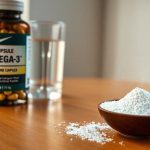
In this short article, you will learn exactly how coffee impacts the absorption of vital vitamins and minerals in the human body. We will break down popular myths and scientifically proven facts about which specific nutrients are blocked by caffeine and tannins.
Understanding these chemical processes will help you correctly calculate a safe time window between your morning cup of joe and taking your supplements or eating food.
The Impact of Coffee Components on Minerals and Vitamins
The most pronounced negative impact of coffee is seen in the absorption of iron, especially the non-heme form derived from plant-based foods and over-the-counter supplements:
- The main culprits are polyphenols and chlorogenic acid, which trigger a chemical reaction with iron molecules right inside the gastrointestinal tract.
- As a result of this interaction, strong insoluble compounds are formed that the intestines are physically unable to absorb, which can slash the bioavailability of this trace mineral by an impressive 40 to 90 percent.
The interaction between this energizing beverage and calcium was long the subject of exaggerated fears, but medical science paints a much more moderate picture:
- Caffeine does have a mild diuretic effect and accelerates calcium excretion through the kidneys, but the loss amounts to only about five milligrams per cup brewed.
- This minimal deficit is easily and completely offset by adding a couple of tablespoons of real milk to your drink or by regularly eating cheese throughout the day, which is why the risk of developing osteoporosis solely from coffee is considered a myth.
But there is a catch. Drinking coffee, for instance, immediately after eating cottage cheese is a bad idea if your goal is to get maximum nutritional value: tannins and caffeine will impair the absorption of calcium and zinc, both of which this food is rich in. To ensure these valuable minerals are fully absorbed by your body, hit pause and enjoy your favorite coffee drink about an hour and a half to two hours after your cottage cheese breakfast.
The situation is identical with multivitamin complexes: caffeine and tannins will block the absorption of iron, zinc, and B-complex vitamins from the pill. Take your supplement during breakfast and wait strictly 1.5 to 2 hours before drinking coffee.
The absorption of zinc, which is critical for immune and reproductive system function, also suffers under the influence of the astringent compounds found in coffee beans.
Tannins act as chelating agents, binding with zinc ions and preventing them from transporting through the walls of the small intestine into the bloodstream. Studies confirm that consuming zinc supplements or zinc-rich foods alongside a strong espresso reduces the bioavailability of this mineral by almost half.
Water-soluble vitamins, primarily the B-group, as noted above, run the risk of accelerated excretion due to the diuretic properties of coffee alkaloids.
Vitamin B1 (thiamine) is particularly vulnerable because tannins can directly destroy its molecules in the stomach before they ever have a chance to enter the bloodstream. Furthermore, constant stimulation of the nervous system by caffeine forces the body to more actively deplete its B-vitamin reserves to maintain energy metabolism, requiring timely and smart replenishment.
The impact on vitamin D is more complex and indirect, occurring at the cellular level.
- High doses of caffeine can suppress the expression of vitamin D receptors in osteoblasts—the cells responsible for bone tissue formation and remodeling.
- This means that even with sufficient levels of the vitamin itself in the circulatory system, bodily tissues may become less sensitive to it, which indirectly reduces its effectiveness in regulating phosphorus and calcium metabolism.
For a clear understanding of how much coffee compounds impact different nutrients, take a look at this quick breakdown table. It highlights specific elements and the primary chemical causes of their disrupted bioavailability:
| Micronutrient | Absorption Reduction Rate | Active Blocking Agent in Coffee |
| Iron (Non-Heme) | High (up to 80–90%) | Polyphenols, chlorogenic acid |
| Zinc | Medium (up to 50%) | Tannins (chelating astringent compounds) |
| Vitamin B1 | Medium | Direct destruction by tannins in the stomach |
| Calcium | Low (offset by diet) | Caffeine (stimulates kidney excretion) |
Timing Rules and Windows
To neutralize the negative impact of the beverage’s chemical components on nutrient bioavailability, gastroenterologists recommend keeping a strict time window.
The optimal gap between drinking coffee and consuming micronutrient-rich meals or supplements should be at least one hour before or two hours after eating. During this time, the liquid fully clears the stomach, and active acids and tannins lose their ability to bind to the oncoming mineral molecules.
This rule completely applies to tea and caffeinated pre-workout supplements: the tannins and stimulants they contain will block the absorption of iron, zinc, and B-group vitamins in the exact same way. Any caffeinated drinks or capsules should be taken strictly 1.5 to 2 hours after a multivitamin complex; otherwise, those beneficial micronutrients simply won’t be absorbed.
To minimize nutrient loss and support a healthy metabolism, doctors recommend following a distinct morning routine. Take these sequential steps:
- Right after waking up on Monday morning, drink a glass of clean, room-temperature water to restore hydration and jumpstart digestion. For me, this includes a morning anti-aging supplement stack, for example, NMN + NAC + ALA + TMG. This is especially useful on a steroid cycle.
- Take your required vitamin and mineral complexes strictly during a full breakfast on Tuesday.
- Wait at least an hour and a half after finishing your meal on Wednesday before brewing and drinking your first cup of coffee.
It is worth noting that by no means do all beneficial compounds clash with your morning brew. There are a number of baseline nutrients whose absorption is practically unaffected by coffee:
- Fat-soluble vitamins A, E, and K, whose bioavailability depends exclusively on the presence of quality fats in the food you consumed.
- Vitamin C (ascorbic acid), which is successfully absorbed by intestinal cells regardless of the presence of coffee polyphenols.
- Sodium and potassium, whose temporary loss via urine is immediately and naturally restored by maintaining adequate hydration throughout the day.

Welcome to Poznayu.com!
My name is Alex, and I founded this project together with a team of like-minded professionals. At Poznayu.com, we create in-depth reviews, explore fascinating facts, and share well-researched, reliable knowledge that helps you navigate complex topics with confidence.
Our mission is simple: to explain complicated ideas in clear, accessible language. We believe that high-quality information should be available to everyone. Every article we publish is designed to provide practical value, actionable insights, and trustworthy analysis you can rely on.
Join our growing community of curious readers. Your feedback matters — share your thoughts in the comments, ask questions, and suggest topics you’d like us to cover next.