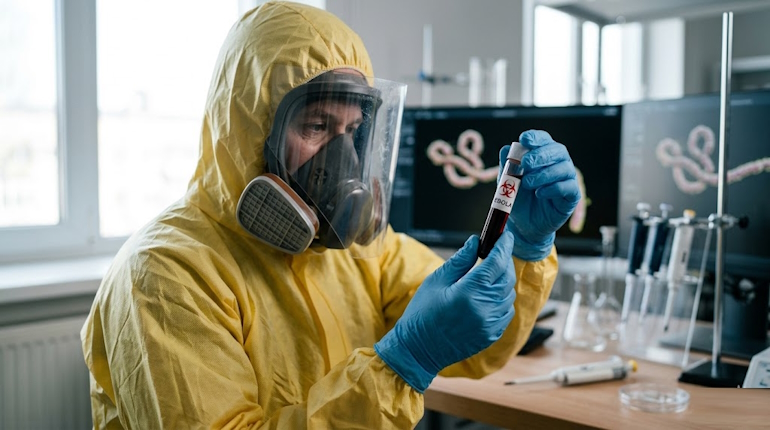
Ebola virus disease is one of the deadliest infections known to humanity. First isolated in 1976 in Zaire, the virus has since triggered dozens of outbreaks, the largest of which claimed more than 11,000 lives in West Africa.
Understanding how this pathogen entered the human population, how it spreads, and which treatment protocols work today directly impacts global readiness for emerging epidemic threats.
How the Ebola Virus Was Discovered: From First Outbreak to Identification
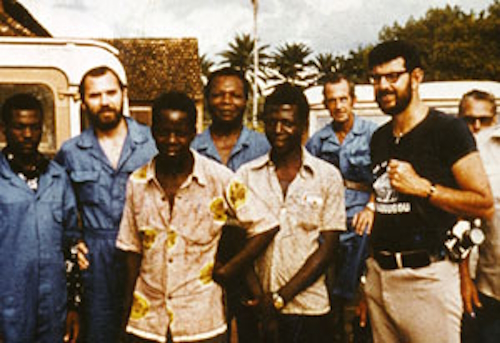
The first red flags came from a small missionary hospital in the village of Yambuku in northern Zaire.
In the summer of 1976, patients began flooding the clinic with high fevers, bloody vomiting, and diarrhea, dying rapidly. Nurses reused needles without sterilization, causing the infection to spread like wildfire—infecting over 300 people with a mortality rate nearing 90%. A local physician sent blood samples to Belgium, where microbiologist Peter Piot and his colleagues isolated a completely unknown, thread-like virus.
They named it after the nearby Ebola River, introducing the ebolavirus to the world.
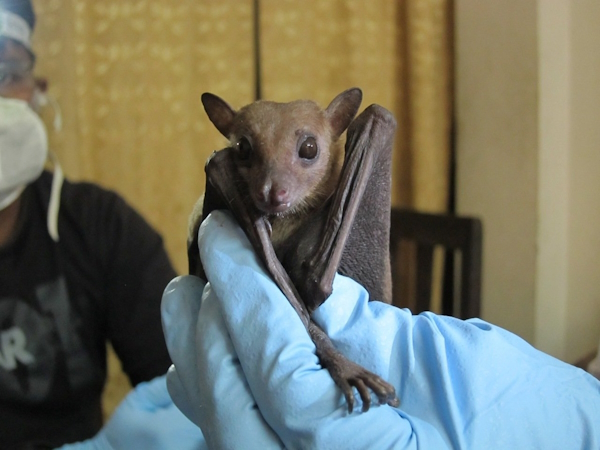
Further investigations revealed a parallel outbreak in Sudan, caused by a related but genetically distinct strain. It became clear that the virus was not confined to a single location and could form independent hotspots. The search for its natural reservoir took decades; researchers suspected rodents and primates until fruit bats emerged as the primary candidates—carrying the pathogen without falling ill themselves. This discovery explained why outbreaks often flared up after contact with wildlife or cave visits.
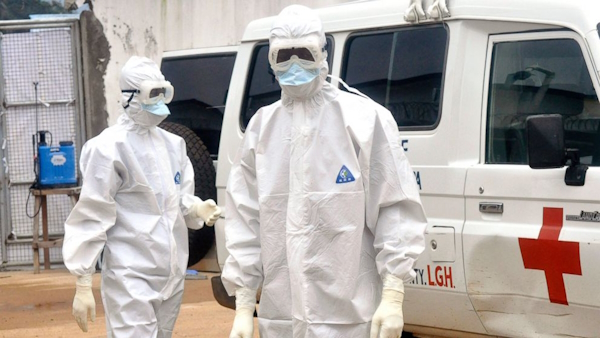
Massive outbreaks like Kikwit in 1995, Uganda in 2000, and especially the 2014–2016 epidemic in Guinea, Liberia, and Sierra Leone proved how vulnerable even modern healthcare systems become when a pathogen infiltrates major urban areas.
Ebola Symptoms: From Early Signs to Hemorrhagic Syndrome
The incubation period lasts from 2 to 21 days, though patients typically fall ill within 8 to 10 days of exposure. Early symptoms mimic the flu: body temperatures spike suddenly to 102°F–104°F, accompanied by severe fatigue, headaches, muscle aches, and a sore throat. Patients often describe it as a “severe flu,” but fevers resist standard over-the-counter reducers while weakness intensifies rapidly. Diagnosing Ebola at this stage without a clear travel history or epidemiological exposure profile is nearly impossible because the presentation is so non-specific.
Within 3 to 5 days, the disease hits its peak, bringing vomiting, profuse diarrhea, abdominal pain, and occasionally a rash. Massive fluid and electrolyte loss becomes the primary threat during this phase. Many patients develop a characteristic “ghost-like” appearance—deeply sunken eyes and hollow facial features that mirror severe dehydration and systemic toxicity.
Lab work reveals thrombocytopenia, elevated liver enzymes, and signs of kidney damage. The virus aggressively multiplies inside immune cells, effectively forcing the body to fight itself.
At the peak of infection, roughly half of all patients develop hemorrhagic manifestations, ranging from petechiae and bleeding gums to internal hemorrhages and bloody diarrhea.
Hemorrhagic fever refers to a group of acute viral infections where high fever and severe toxicity damage vascular walls, causing bleeding that ranges from tiny micro-hemorrhages to massive internal bleeding. This group includes Ebola, Marburg, Lassa, dengue, and other diseases sharing a common blood-clotting disruption mechanism.
However, the “eyes bleeding” trope popularized by pop culture is rarer than people think. Fatalities generally result from multi-organ failure and septic shock driven by severe hypovolemia. If a patient survives, improvement occurs gradually, though full recovery can take months, and the virus can persist in certain bodily fluids long after clinical recovery.
Why the Ebola Virus Ranks as One of the Most Dangerous Pathogens
The primary source of fear surrounding Ebola is its exceptionally high mortality rate. For the Zaire strain, which caused most known outbreaks, the death rate oscillates between 60% and 90% without timely medical intervention. This means that even with modern intensive care, outcomes remain highly uncertain, and the disease often amounts to a death sentence in resource-limited areas.
Several biological traits amplify this danger:
First, the virus targets dendritic cells and macrophages—the critical components of innate immunity—effectively paralyzing defenses at the earliest stage.
Second, it triggers a “cytokine storm”—an uncontrolled inflammatory response that decimates blood vessels and tissues.
Third, contagiousness increases symmetrically with clinical decline: the sicker the patient, the higher the viral load in their fluids.
Consequently, healthcare workers and family members caring for patients face the highest risk of infection.
To clearly illustrate the differences in pathogenicity among the main ebolavirus species, see the table below:
Species (Strain)
Typical Region
Human Mortality Rate
Zaire (ZEBOV)
Central Africa, West Africa
60–90%
Sudan (SUDV)
East Africa
40–60%
Bundibugyo (BDBV)
Uganda
25–40%
Taï Forest (TAFV)
Côte d’Ivoire
Single case, survived
Reston (RESTV)
Philippines, China
Non-pathogenic to humans
The data in the table highlights key differences:
The Zaire strain is the deadliest, accounting for the vast majority of casualties.
The Sudan strain is slightly milder but remains highly lethal.
The Reston strain is unique because it causes asymptomatic infections in humans while remaining fatal to monkeys—a reminder of how unpredictably a virus behaves when crossing species lines.
The persistence of the virus in survivors deserves special attention. In men, the pathogen can hide in semen for a year or longer, creating a risk for sexual transmission long after an outbreak is officially declared over. Post-infection immunity is considered robust, but rare relapses have occurred in survivors, likely due to the virus hiding in immunologically privileged tissues. This turns outbreak elimination into a complex logistical challenge requiring long-term monitoring.
How the Ebola Virus Spreads: Transmission Mechanisms and Contagiousness
The primary transmission route is direct contact between broken skin or mucous membranes and the bodily fluids of an infected person. The highest viral concentrations are found in:
blood
vomit
feces
urine
saliva
sweat
breast milk
semen
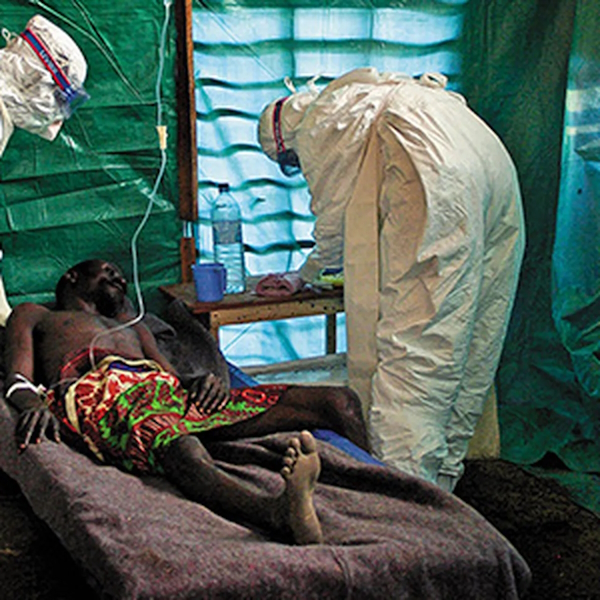
Because of this, caring for a patient without strict personal protective equipment (PPE) almost guarantees infection. Burial customs involving washing the deceased pose a severe risk; during the 2014–2016 epidemic, this cultural practice was a primary driver of the infection’s spread.
Fruit bats serve as the virus’s natural reservoir, transmitting it to primates and other mammals. Humans can contract the infection through contact with the blood or tissues of an infected animal, such as butchering bushmeat like monkeys or forest antelopes. Airborne transmission does not occur under natural conditions, though laboratory experiments demonstrated this capability for the Reston strain. However, sexual transmission from male survivors months after clinical recovery is well-documented.
Contagiousness scales up as symptoms progress: a patient with early flu-like signs sheds significantly less virus than someone experiencing severe vomiting and diarrhea.
Modern Treatment and Protocols: What Has Changed in Recent Years
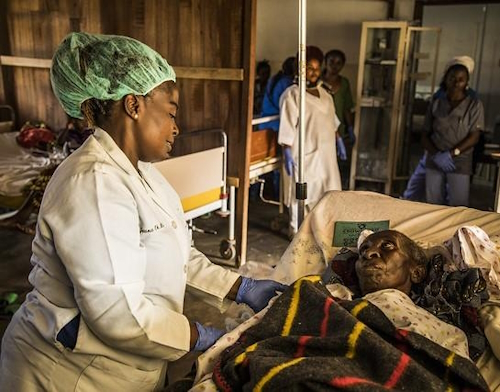
Even during the West African epidemic, aggressive supportive care formed the backbone of therapy: intravenous rehydration, correcting electrolyte imbalances, blood product transfusions, and antibiotics to fight secondary infections. This protocol successfully reduced mortality to roughly 40%–50% when patients sought care early. While not enough for absolute control, it proved that Ebola had ceased to be an automatic death sentence.
A true breakthrough occurred between 2018 and 2020 with the approval of monoclonal antibody therapies.
Today, two drugs stand as the gold standard for specific therapy: Inmazeb (a combination of atoltovimab, maftovimab, and odesivimab) and Ebanga (ansuvimab).
Both therapeutics bind to the viral glycoprotein, blocking its entry into host cells. The PALM clinical trials in the DR Congo demonstrated that these antibodies slash mortality rates to roughly 30%, and drop it below 10% when administered during the first few days of illness. This completely transformed patient prognoses, though it remains entirely dependent on rapid diagnosis.
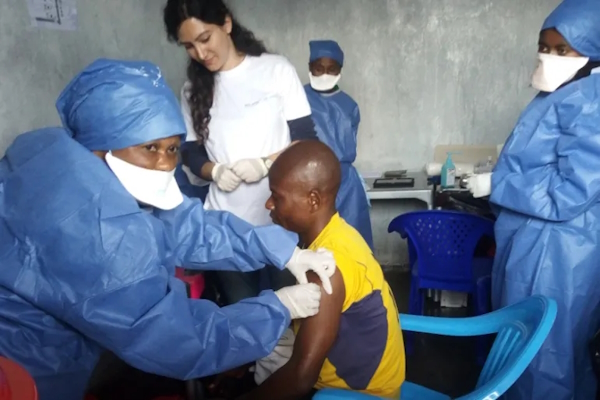
The rVSV-ZEBOV vaccine (Ervebo), a recombinant vesicular stomatitis virus carrying the Ebola glycoprotein gene, has become an equally vital control tool. Public health officials use it for ring vaccination—immunizing primary contacts and their social networks to build a “living shield” around an outbreak. According to the WHO, the vaccine’s efficacy exceeds 95%, and it played a pivotal role in containing outbreaks in the Congo. Concurrently, other platforms are in development, including a two-dose regimen by Johnson & Johnson already deployed in Rwanda and neighboring areas.
Despite this progress, the Ebola virus remains a severe threat. The ultimate bottleneck is no longer a lack of therapeutics, but rather a healthcare system’s capacity to rapidly detect cases, isolate patients, and initiate early intervention. Where systems succeed, mortality plunges. Where the chain breaks, the infection serves as a devastating reminder of its destructive power.
Consequently, investing in primary healthcare infrastructure, disease surveillance, and laboratory networks in endemic regions is just as vital today as designing next-generation biotechnological therapies.
I’m Dr. Michael Carter, a 43-year-old American physician and medical researcher. I earned my MD from the University of Michigan Medical School and later completed an MPH at the Johns Hopkins Bloomberg School of Public Health, with a focus on public health and clinical research.
I began my medical career at University of Michigan Health, where I worked in clinical practice and contributed to research on chronic disease prevention and the effectiveness of medical interventions. I later continued in academic medicine, focusing on internal medicine, metabolic health, preventive care, and the analysis of clinical data.
My research interests include chronic disease, cardiovascular risk factors, metabolic disorders, disease prevention, and the evaluation of medical evidence. I’m particularly interested in the quality of clinical research, the evidence behind treatment approaches, and how medical findings are interpreted and applied in real-world practice.