
Cannabis is a genus of annual plants in the Cannabaceae family that has been used for centuries in medicine, industry, and for recreational purposes.
The plant’s biochemical profile includes hundreds of active compounds, led by the psychoactive tetrahydrocannabinol (THC) and the therapeutic cannabidiol (CBD).
Understanding the difference between industrial strains and medicinal varieties makes it easy to objectively evaluate both the plant’s agricultural potential and its impact on the human body.
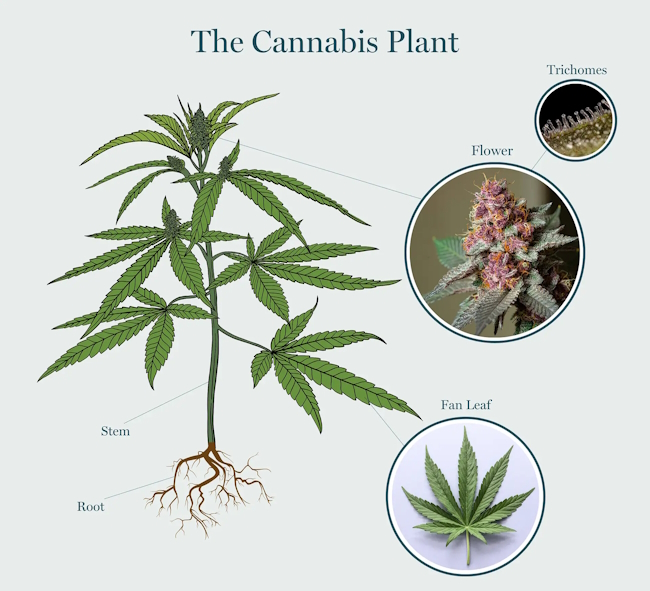
From a biological standpoint, cannabis is a typical herbaceous plant that grows naturally in temperate and tropical regions.
Put simply, the defining feature of this herb is the thick resin produced on female flowers, which contains phytocannabinoids—unique chemical compounds found nowhere else in nature. The exact concentration of these secretions dictates whether a crop will be harvested as raw material for a textile mill or sent to a lab to manufacture pain-relieving medications.
Modern agronomy and US law strictly separate strains of the plant based on their concentration of psychoactive components.
Industrial hemp is grown exclusively for its strong fibers and nutritious seeds, whereas high-THC strains are cultivated to produce specific neurotropic effects.
The primary differences between these two major applications of the crop are broken down in the comparison table below.
| Feature | Industrial Cannabis (Hemp) | Medical Cannabis |
| THC Content | Less than 0.3% | 5% to 30% and higher |
| Primary Components | Cellulose, oils, proteins | Cannabinoids, terpenes |
| Applications | Textiles, paper, biofuels | Pharmacology, psychotherapy |
| Cultivation Method | Open fields, dense planting | Greenhouses, climate control |
How the plant affects humans comes down to our endocannabinoid system—a complex network of receptors found throughout the brain, nervous system, and internal organs.
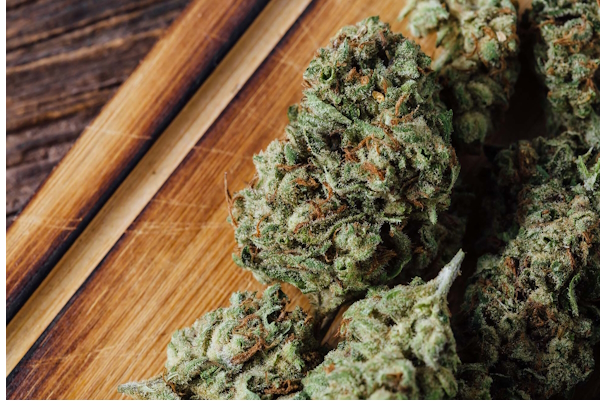
Once these plant compounds enter the bloodstream, they bind to these receptors, triggering a cascade of physiological responses. The way these active compounds are absorbed and function follows a specific biological process:
-
The compounds enter the body through the respiratory tract or the mucous membranes of the gastrointestinal tract.
-
The circulatory system transports THC and CBD to CB1 receptors (in the central nervous system) and CB2 receptors (in the immune system).
-
Neurotransmitter release is altered, which shifts perception, modifies mood, and blocks pain signals.
-
The liver gradually metabolizes the processed compounds, which are then naturally eliminated from the body.
Over the last few decades, the medical community has extensively studied the therapeutic potential of purified plant compounds. Clinical trials confirm that CBD-based drugs are highly effective in treating conditions that resist standard pharmaceutical treatments. Today, certified cannabis extracts are officially utilized in modern medicine to manage the following conditions:
-
Intractable chronic pain syndromes and muscle spasms associated with multiple sclerosis (MS).
-
Severe forms of pediatric epilepsy that show resistance to traditional anticonvulsant drugs.
-
Severe nausea and critical loss of appetite in cancer patients undergoing aggressive chemotherapy.
-
Elevated intraocular pressure in patients diagnosed with glaucoma.
Despite these proven medical benefits, unregulated use of psychoactive strains carries significant health risks, especially with long-term, habitual consumption.
Regular exposing of a developing nervous system to high doses of THC can trigger short-term memory impairment, reduced cognitive function, and increased baseline anxiety.
The World Health Organization (WHO) notes that inhaling combustion products from any plant mixture damages lung tissue, driving up the risk of chronic bronchitis. This makes purified pharmaceutical grades in precisely measured doses the preferred choice.

Welcome to Poznayu.com!
My name is Alex, and I founded this project together with a team of like-minded professionals. At Poznayu.com, we create in-depth reviews, explore fascinating facts, and share well-researched, reliable knowledge that helps you navigate complex topics with confidence.
Our mission is simple: to explain complicated ideas in clear, accessible language. We believe that high-quality information should be available to everyone. Every article we publish is designed to provide practical value, actionable insights, and trustworthy analysis you can rely on.
Join our growing community of curious readers. Your feedback matters — share your thoughts in the comments, ask questions, and suggest topics you’d like us to cover next.