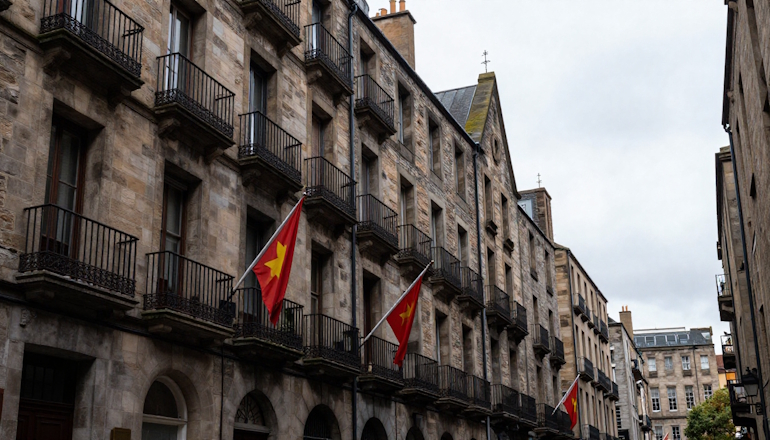
The modern political map of Europe looks fixed at first glance, but beneath official borders lie deep ambitions among dozens of regions seeking full sovereignty.
In this overview, we take a close look at key territories—from economically powerful Catalonia to historically distinct Scotland—and examine why wealthy, culturally unique regions push to break away from their countries.
You’ll learn the real drivers behind European separatism, the economic ambitions of local elites, and the legal barriers that still stand in the way of new flags appearing in Brussels.
Many people tend to think national borders are permanent, like mountains or oceans. In reality, it’s both simpler and more complicated: borders are drawn by politicians, but they’re lived in by ordinary people with their own traditions and wallets. Imagine working for years, earning good money, yet sending most of it into a shared family pot controlled by relatives in another city who spend it however they want. Sooner or later, you’d ask yourself: wouldn’t it be easier to live on my own and decide how to spend what I earn?
That’s essentially what’s happening across parts of Europe today. Residents in certain regions feel distinct not because they see themselves as better, but because they have their own language, music, and history they don’t want to lose. Many believe their voices don’t carry weight in national capitals and that local issues get sidelined. This isn’t usually about armed conflict—it’s more often long debates in the press, rallies in public squares, and ongoing efforts to convince neighbors that “we can handle this ourselves.”
Of course, independence isn’t just about the romance of freedom. It comes with serious risks: new passports, new borders, customs systems, and disputes over how to split shared debt. But for many in Catalonia or Flanders, the vision of having their own country outweighs those concerns. They believe a smaller, self-governed state can operate more efficiently than a large, slow-moving system.
Catalonia: Spain’s economic engine
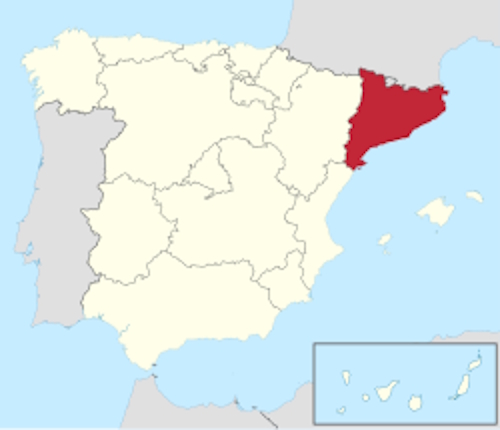
Catalonia has long been Madrid’s biggest political headache. The region contributes a significant share of Spain’s GDP, has its own language, and a strong cultural identity shaped over centuries. Locals often describe their relationship with the central government as more of a strained marriage than a natural partnership. Economic downturns over the past decades only intensified tensions, with Barcelona increasingly arguing that it “subsidizes the rest of Spain.”
The 2017 independence referendum attempt led to a major political standoff and legal action against movement leaders. Despite pressure from Madrid, the push for sovereignty hasn’t disappeared—it has shifted into a prolonged political struggle. For many Catalans, independence isn’t just about symbolism; it’s about controlling tax revenue and developing their culture without relying on broader Spanish traditions.
Key factors driving Catalonia’s independence movement:
- High tax contributions to Spain’s budget with what locals see as insufficient reinvestment.
- A strong desire to preserve and protect the Catalan language.
- Historical memory of repression during the Franco era, when regional autonomy was dismantled.
Scotland: charting its own course
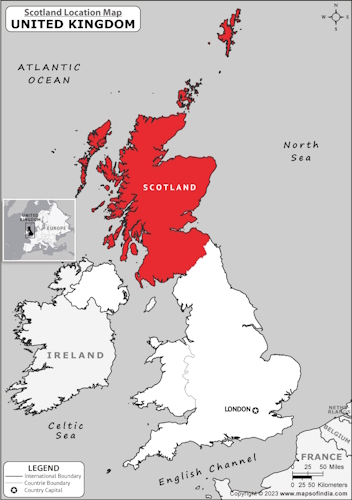
Scotland’s independence debate intensified after the UK left the European Union. The irony is that most Scottish voters supported remaining in the EU but were forced to leave along with the rest of the UK. That created fertile ground for renewed calls for independence. Edinburgh increasingly looks toward Nordic countries, aiming for a social welfare model that’s difficult to pursue under current UK policy.
Supporters argue Scotland has sufficient resources, including North Sea oil reserves and vast renewable energy potential. London counters with warnings about losing the British pound and facing complex border arrangements. But for many Scots, the issue has moved beyond economics—it’s now about national identity and the right to shape their own foreign policy.
Main drivers behind Scotland’s push for independence:
- Strong opposition to Brexit and a desire to rejoin the European single market.
- Political differences with the UK government, particularly Conservative dominance.
- Control over natural resources and directing revenues into domestic social programs.
Flanders: Belgium’s wealthy north
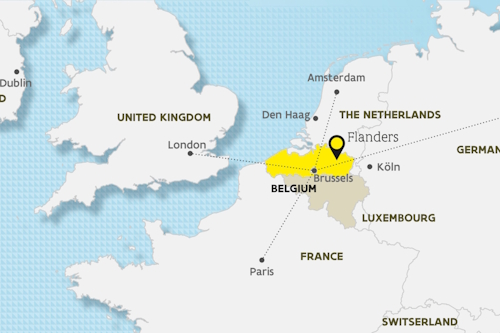
Belgium has spent decades balancing on the edge of fragmentation. Flanders, the northern region, is Dutch-speaking and significantly outperforms southern Wallonia economically. While the monarchy and shared religion once held the country together, today the economic gap has grown so wide that many Flemish residents question the value of staying united.
Belgium’s political system is so complex that forming a government can take years. Flemish nationalists propose turning the country into a confederation—or even splitting entirely, with Brussels as a special district. In practice, Flanders already has broad autonomy, but full international recognition remains the ultimate goal for its leading political forces.
The Flemish independence movement is driven by:
- Reluctance to subsidize Wallonia through income redistribution systems.
- Language barriers and cultural distance complicating national unity.
- A belief that regional governance is more effective than federal structures.
The Basque Country: from conflict to stability
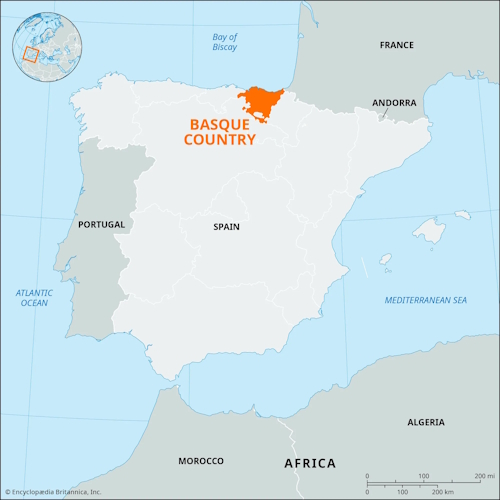
The Basques are one of Europe’s most unique peoples, with a language unrelated to any other in the region. For years, the independence struggle was tied to violence and the activities of ETA. Today, the situation has changed dramatically. The region has secured extensive autonomy, including control over taxation and its own police force, making it one of Spain’s most stable and prosperous areas.
Despite this, the idea of “Euskal Herria”—a unified Basque state—remains alive. Modern Basque leaders rely on soft power, strengthening economic ties and investing in high-tech industries. They demonstrate to Madrid that the region can thrive independently while keeping long-term sovereignty as a strategic goal.
Factors fueling Basque aspirations:
- A distinct ethnic identity and the unique Basque language.
- Strong industrial and innovation sectors supporting economic independence.
- The ambition to unite Basque territories across Spain and France.
Corsica: France’s island exception
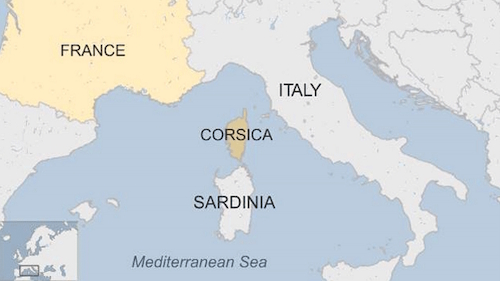
France has traditionally been a highly centralized state, often resistant to regional autonomy. Corsica has always stood apart. The island has its own culture and a language closely related to Italian, with a history marked by fierce resistance. Paris spent decades trying to integrate Corsica more tightly, but this often strengthened local nationalist sentiment.
Today, Corsican movements push for constitutional recognition of autonomy. Residents worry that the island is becoming a playground for wealthy mainland buyers, driving up property prices and pushing younger generations out. For many Corsicans, independence is about preserving land, language, and a traditional way of life in a globalized world.
Core demands of Corsican autonomy advocates:
- Official recognition of the Corsican language.
- Restrictions on property ownership favoring permanent residents.
- Full control over taxation and legislative authority.
Faroe Islands: Denmark’s quiet autonomy
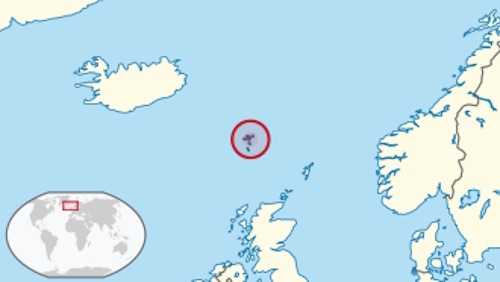
The Faroe Islands consist of 18 volcanic islands in the North Atlantic. While they are part of Denmark, they operate largely independently. They have their own flag, language, and even a local currency tied to the Danish krone. Denmark provides substantial subsidies, but support for full independence is steadily growing. A strong fishing industry has made the Faroese increasingly confident in their ability to stand on their own.
The main challenge lies in defense and foreign policy, which remain under Copenhagen’s control. However, the Faroese already participate independently in international fisheries agreements and maintain representation abroad. This is often described as “gradual independence,” where powers shift step by step.
Factors pushing the Faroe Islands toward independence:
- Geographic distance from Denmark and closer ties to Iceland and Norway.
- Economic diversification reducing reliance on Danish funding.
- A strong sense of national identity among a small population.
South Tyrol: a German-speaking Alpine region
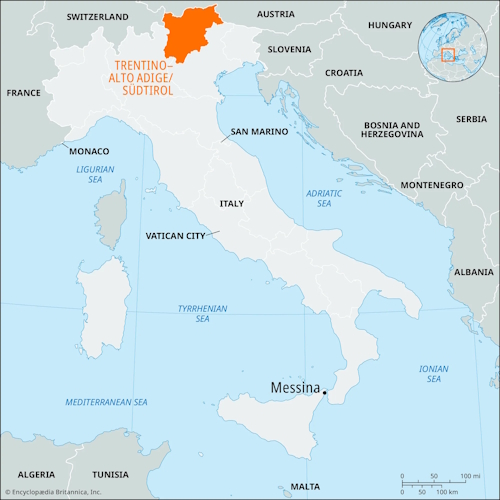
South Tyrol became part of Italy after World War I, and that legacy still shapes the region today. Most residents speak German and feel culturally closer to Austria than to Rome. After decades of tension, including violence in the mid-20th century, the region gained extensive autonomy. Italy allows South Tyrol to retain around 90% of its tax revenue, making it one of Europe’s wealthiest provinces.
Still, movements advocating separation remain influential. Many locals see their inclusion in Italy as a historical mistake. As long as the economy thrives, tensions stay manageable—but any attempt by Rome to reduce financial autonomy quickly reignites calls for independence or reunification with Austria.
Reasons behind ongoing separatist sentiment in South Tyrol:
- Clear linguistic and cultural differences from the rest of Italy.
- A desire to shield a strong regional economy from national debt and systemic issues.
- High levels of self-governance already functioning in practice.
Key independence movements in Europe
Below is a simplified comparison of major regions seeking independence:
| Region | Country | Primary Driver of Independence | Level of Autonomy |
|---|---|---|---|
| Catalonia | Spain | Economy and cultural identity | High |
| Scotland | United Kingdom | Politics (Brexit) and natural resources | High |
| Flanders | Belgium | Economic gap with the south | Very high |
| Basque Country | Spain | Ethnic identity | Exceptional |
| Corsica | France | Cultural and land protection | Low |
| Faroe Islands | Denmark | Geography and fishing industry | High |
| South Tyrol | Italy | Language and historical ties | High |
A clear pattern emerges: the wealthier a region becomes, the less willing it is to share resources with central governments. This is often referred to as “rich region separatism.” By 2026, traditional ideas of national unity are giving way to a more pragmatic desire for local control. Interest in independence tends to spike when central governments struggle with economic or foreign policy decisions.
It’s important to understand that the transformation—or even fragmentation—of states in Europe isn’t necessarily a crisis. It can be seen as a search for new forms of coexistence. The European Union plays a dual role here: it provides stability and common rules, while also giving smaller regions confidence that independence doesn’t mean isolation. This creates a rare historical situation where borders can shift without violence.
Ultimately, the future of these regions depends on their ability to negotiate with central governments and balance self-determination with broader stability. The experiences of Scotland and Catalonia show that the path to full international recognition is long and complex. Still, the drive for identity and fair distribution of resources remains a powerful force—one that will continue reshaping Europe for decades to come. History isn’t over; it’s being written right now in regional parliaments across the continent.

Welcome to Poznayu.com!
My name is Alex, and I founded this project together with a team of like-minded professionals. At Poznayu.com, we create in-depth reviews, explore fascinating facts, and share well-researched, reliable knowledge that helps you navigate complex topics with confidence.
Our mission is simple: to explain complicated ideas in clear, accessible language. We believe that high-quality information should be available to everyone. Every article we publish is designed to provide practical value, actionable insights, and trustworthy analysis you can rely on.
Join our growing community of curious readers. Your feedback matters — share your thoughts in the comments, ask questions, and suggest topics you’d like us to cover next.