Modern high-performance sports and even amateur fitness have long moved beyond the boundaries of ordinary nutrition.
When training becomes intense and goals grow ambitious, the body demands not just calories, but precisely measured nutrients delivered at the right time. This is where two categories of products, often confused but serving fundamentally different purposes, come into play.
We are talking about glycogen loaders (carb loaders) and meal replacement mixes. Understanding their nature, mechanisms of action, and timing of use could be the missing link between hard training and impressive results.
To grasp the value of loaders, you need to understand what glycogen is.
At its core, it is a chain of glucose molecules that the body stores for future use, primarily in the liver and muscles, as a strategic energy reserve. During intense strength or speed work, it is muscle glycogen that becomes the main fuel source. The more of this fuel stored in the muscles, the longer and more powerfully you can work before fatigue sets in.
Interestingly, glycogen has the property of attracting water — one gram of it holds about 2.7 grams of fluid, directly impacting muscle volume and visual “fullness”.
Glycogen Loaders: What They Are and Why They Are Needed
Glycogen loaders, or carb loaders, are specialized carbohydrate blends designed for the fastest and most effective replenishment of glycogen stores. They typically contain complex carbohydrates with different absorption rates, such as maltodextrin, potato starch, fructose, cyclic dextrin, and others.
Their task is not just to provide energy, but to ensure prolonged fueling and create the conditions for supercompensation — a state where the body, having received an excess of carbohydrates after exhaustive exercise, stores even more glycogen than it originally had.
Some products are also enriched with electrolytes and amino acids to maintain hydration and performance.
When and How to Use Glycogen Loaders
The primary time for taking carb loaders is before, during, and immediately after training.
Taking them 15-30 minutes before helps create an “energy buffer” and spares your own glycogen stores from rapid depletion.
During long or particularly intense sessions, a serving of carbohydrates every half hour helps maintain stable blood sugar levels and delay fatigue.
But the most critical period is the post-workout “carbohydrate window,” when the body is most receptive to replenishing spent energy and kickstarting recovery processes. During this time, a loader works most effectively, especially when paired with a serving of high-quality protein.
It should be noted here that for a natural athlete, drinking such supplements is almost entirely useless.
Glycogen loaders, so popular among “gear users,” turn out to be a tool of highly questionable effectiveness for the natural athlete. This is because the capacity of their glycogen depots is naturally limited and, without anabolic steroids, incapable of the supercompensation that makes it all worthwhile.
For a natural athlete after a regular workout, glycogen stores are replenished by regular food within a day. Taking specialized carbohydrate mixes offers no significant boost in performance compared to a plate of rice or pasta.
Moreover, for most amateurs with average training loads, consuming high-carb shakes without real depletion simply leads to excess calories being sent straight to fat storage.
While a “gear user” on compounds can afford to play with loading for extreme pumps and fascial stretching, a natural athlete will just get a sugar spike and, possibly, a ruined appetite for their next proper meal.
Example Breakdown
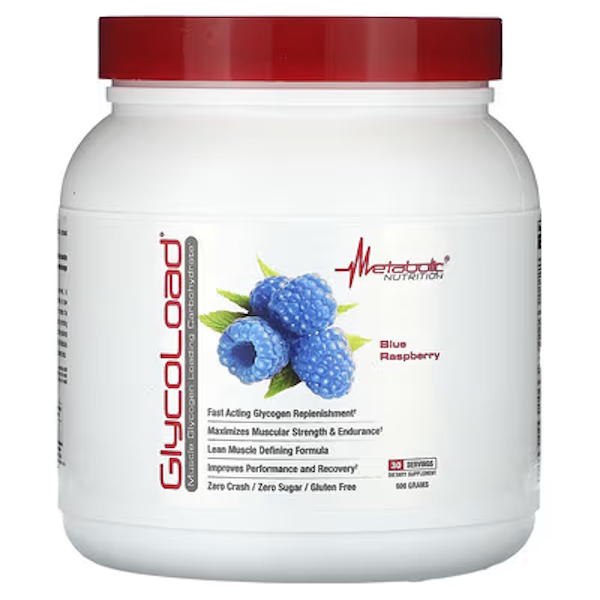
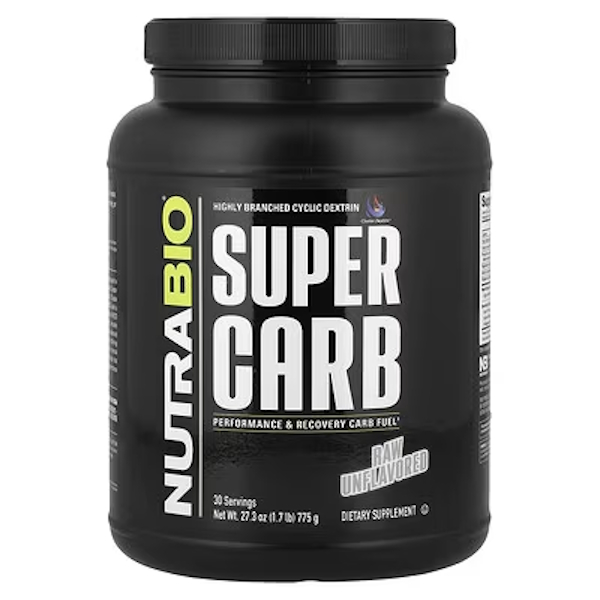
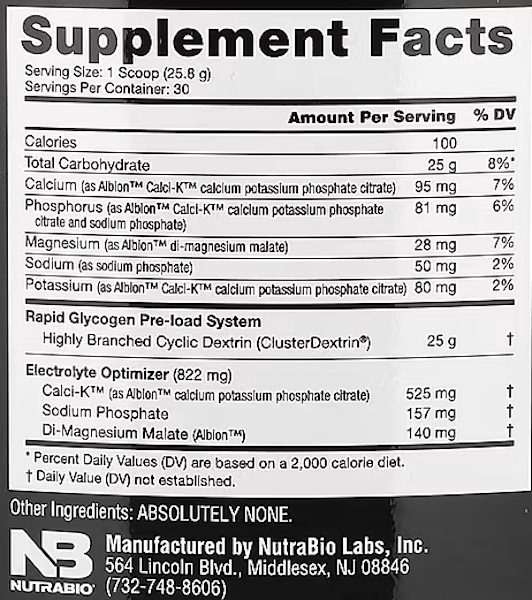
There are many examples, no point in reviewing them all; the composition is generally similar. Let’s break down what I take myself (2 screenshots above).
This loader, NutraBio Super Carb, is built around cluster dextrin — a high-molecular-weight carbohydrate with a unique structure that allows it to pass through the stomach almost without delay and be absorbed in the small intestine with minimal osmotic effect.
For an athlete on pharmacology, this means the ability to quickly replenish glycogen stores without the risk of bloating, sharp insulin spikes, and accompanying fat gain that often comes with taking simple sugars. Against the backdrop of anabolic steroids, which increase muscle cell sensitivity to insulin and accelerate glucose transport, such a clean carbohydrate signal works particularly effectively, ensuring rapid recovery and laying the groundwork for supercompensation.
The second important component is an electrolyte complex in chelated form (Calci-K, phosphates, magnesium malate), which addresses specific issues faced by “gear users.”
Anabolic steroids often disrupt electrolyte balance, retaining sodium while excreting potassium and magnesium, leading to cramps and impaired muscle contractility. This product provides a ready-made balanced form, ensuring a supply of potassium, calcium, and phosphorus precisely to the cells where active glycogen synthesis is occurring. This is not just replenishment of losses, but targeted support of contractility and nerve conduction, especially valuable during intense loads while on heavy compounds.
Meal Replacements: More Than Just Protein
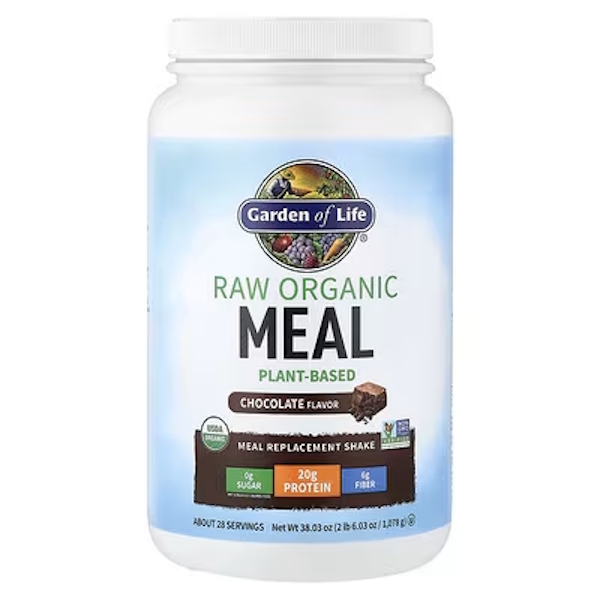
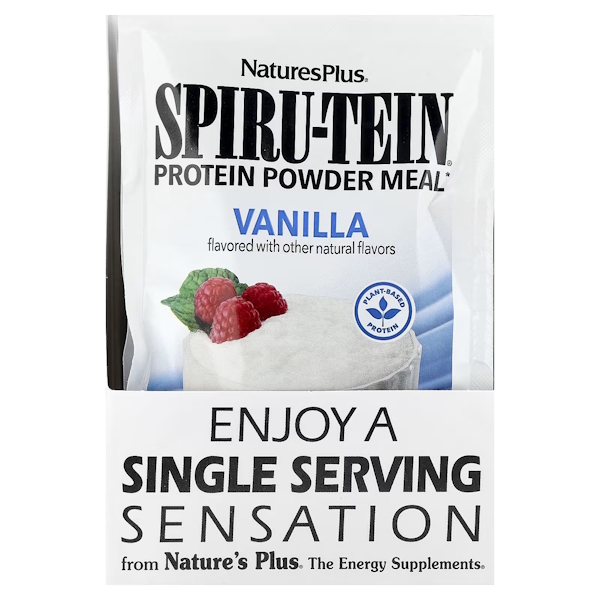
Unlike narrowly focused loaders, meal replacement mixes represent a balanced complex of macro- and micronutrients designed to replace a full meal. This is not just a protein shake, but a thoughtfully crafted formula containing proteins (usually a blend of fast and slow), carbohydrates with a low or medium glycemic index, healthy fats, fiber, and an extensive vitamin and mineral complex.
One serving of such a mix can provide the body with a significant amount of energy — from 1000 to 1500 kilocalories — completely replacing a standard meal, while also covering a substantial portion of the daily requirement for key vitamins and minerals. Their purpose is to give the body everything it needs in a convenient liquid form when there’s no time or opportunity to eat normally.
The Purpose and Application of Meal Replacements
Using such mixes is justified in several key situations.
First, there’s the severe time deficit: a tight schedule, business trips, when it’s impossible to prepare and eat a full meal.
Second, it’s about controlling calorie intake and macronutrient composition, which is especially relevant during cutting phases or when working on definition.
Third, it’s a convenient way to quickly “cover” the need for protein and other nutrients post-workout or between meals, preventing catabolism and hunger pangs. They help maintain high energy levels and supply the body with building materials for muscles throughout the day.
For a natural athlete, meal replacements lose their meaning primarily because the body, without pharmacological support, cannot effectively utilize such a large influx of fast-absorbing nutrients without associated risks.
The entire philosophy of natural training is built on the gradual accumulation of resources and strict control over their expenditure. A liquid high-calorie mix drunk instead of solid food creates a sharp insulin spike without the proper thermic effect and mechanical stimulation of digestion.
Furthermore, a natural athlete critically needs the natural satiety from food to control appetite and avoid overeating calories. Meal replacements completely kill this function, leaving you feeling hungry again within an hour and a half.
Essentially, for a natural athlete, a meal replacement is an expensive and less useful version of regular buckwheat with chicken, offering no advantages in absorption, long-lasting satiety, or those same vitamins in their natural form.
Lack of Benefits for the Natural Athlete
For an athlete not using pharmacological support, glycogen loaders are a path to nowhere (at best) or to diabetes (at worst).
The whole concept of glycogen loaders is built on the principle of supercompensation — the body’s ability, after receiving excess carbohydrates following depletion, to store more glycogen than the baseline level.
But in a natural athlete, the capacity of glycogen depots and insulin sensitivity are at a physiological level, unenhanced by pharmacology. Specialized mixes with “fast” and “slow” carbohydrates offer no advantage over a regular portion of rice, buckwheat, or potatoes eaten after training.
Moreover, for most amateurs whose training isn’t extremely depleting, taking such shakes leads only to unnecessary spending and the risk of blood sugar spikes.
A natural athlete just needs to eat regular carbohydrate-rich food on time — their body will handle recovery on its own, without marketing gimmicks.
Yes, after consuming carbohydrates, muscles visually appear fuller due to the water attracted by glycogen. But for a natural athlete, this is a temporary cosmetic change that does not directly correlate with gains in strength or muscle mass.
Without anabolic steroid support, this “pump” doesn’t trigger hypertrophy mechanisms; it just provides a fleeting aesthetic effect. It’s far more important for a natural athlete not to chase the pump, but to ensure a stable supply of quality carbohydrates from regular food throughout the day to maintain energy balance and prevent catabolism.
Meal replacements in this context can be useful as a tool for discipline, but only if they are used to replace a missed meal, not as “growth enhancers.”
Advantages for the Athlete on Pharmacology
An athlete using anabolic steroids gets an even more pronounced effect from these supplements, although for different reasons.
Anabolic steroids and growth hormone significantly improve protein synthesis and nutrient utilization. Against this background, timely intake of a meal replacement guarantees that the body receives all the necessary “building material” to realize the powerful anabolic signal provided by the drugs.
As for loaders, the increased level of glycogen and water in the muscles on pharmacology not only improves performance but also creates an additional anabolic stimulus, stretching the fascia and contributing to higher quality and faster mass gain. This is one of the elements that turns a “wet” bulk into a more productive one.
By the way, do you know who is in the photo? Write your answers in the comments; no forms to fill out.
Risks and Selection Considerations
Here you need to understand that both loaders and meal replacements are tools, not magic wands. Uncontrolled consumption of high-carbohydrate mixes, especially without linking them to workouts, will lead to fat gain in people predisposed to it.
When choosing a meal replacement, you should pay attention to its composition: the amount and type of protein (whey, casein, soy, egg), the presence of fiber, the source of carbohydrates (oat flour, barley are preferable to simple sugars), and the completeness of the vitamin-mineral complex.
A quality product should be satiating and provide energy for several hours, not cause a sharp sugar spike followed by hunger.
Summary: Energy in Its Purest Form
Thus, in the end, we see that glycogen loaders and meal replacement mixes solve different but equally important tasks.
The former are “high-octane fuel” for record-breaking workouts, allowing you to train longer, harder, and with greater output.
The latter are balanced “in-flight meals,” providing the body with everything it needs for growth and recovery in a tight schedule.
For the natural athlete, these products remain merely auxiliary tools, whose value directly depends on strict discipline and precisely hitting nutritional gaps. They provide no anabolic advantage, don’t accelerate growth, and don’t replace full nutrition — their role is limited to situationally plugging “holes” in the diet when regular food is unavailable for some reason. The true “helpers” in bodybuilding for a natural athlete are the simple, unshakable things: regular meals, quality food, and the ability to listen to one’s hunger, not marketing promises.
For the “gear user,” they are tools that allow for the maximum efficient realization of the potential laid down by pharmacology, making the result not only fast but also high-quality.
Differences from Gainers
The main difference between a glycogen loader and a gainer lies in their composition and intended purpose.
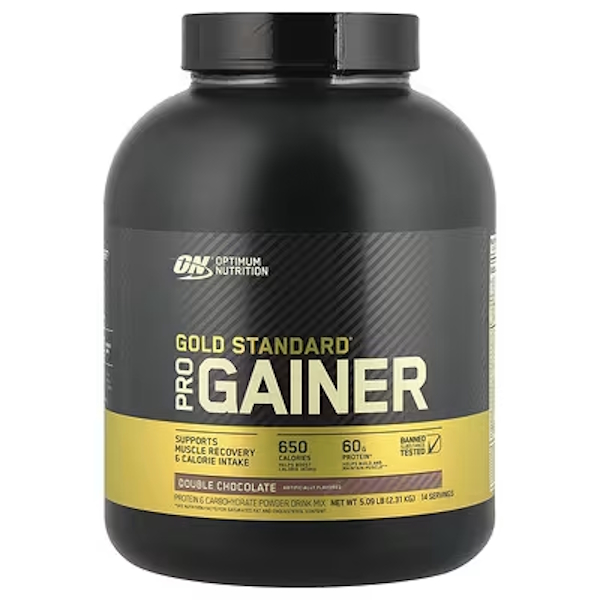
A gainer is a high-calorie mix designed for overall mass gain, where carbohydrates are combined with a significant amount of protein (in quality samples, typically in ratios like 2:1, 3:1, or even 4:1) and often with added fats.
Its task is to provide a calorie surplus and supply the body with building material for muscle growth.
A loader, on the other hand, is almost pure carbohydrates (complex and simple) with minimal or no protein. Its sole purpose is to replenish glycogen stores in muscles and liver, depleted after intense training, as quickly and efficiently as possible, creating conditions for supercompensation.
The second important difference is the timing and logic of application.
A gainer can be used throughout the day as a meal replacement or an additional snack when you need to increase your total daily calorie intake. It doesn’t have to be strictly tied to a workout.
A loader has a clear “window of effectiveness”: before training (to create an energy buffer) and, more importantly, immediately after (to quickly close the carbohydrate window).
Using a loader at any other time, without preceding intense exertion, will most likely lead to a sugar spike and fat storage, whereas a gainer in that situation would simply provide calories.
Simply put, a gainer is “food in powder form” for gaining weight (not as a meal replacement), and a loader is “fuel for recovery.”
I don’t take gainers in ordinary times, unlike glycogen loaders and meal replacement mixes. But there are occasions when I do drink a gainer:
During illness, a gainer becomes less of a sports supplement and more of an emergency source of easily digestible calories, when the body is expending energy fighting an infection and appetite is absent.
Two servings a day help maintain a positive nitrogen balance, preventing muscle catabolism, and supply the body with quick energy without forcing it to expend resources on digesting heavy food.
However, it should be used only when normal food is impossible to eat (which is exactly the case during illness) and must be taken with plenty of water to avoid putting extra strain on the kidneys.
Dmitry Volkov – is the author of our bodybuilding section is a practicing sports medicine physician based in Dallas, Texas, with 21 years of hands‑on experience in sports pharmacology. At 42, he combines deep academic knowledge with real‑world expertise gained from coaching athletes of all levels — from amateurs to seasoned competitors. He earned his medical degree from a leading Texas institution and spent years working in sports medicine clinics and private practice.
His primary focus is hormonal regulation of muscle growth, the use of anabolic steroids and peptides, and post‑cycle recovery. He understands modern protocols inside out because he consults real people every day, helping them avoid side effects and achieve safe results. His approach is rooted in evidence‑based medicine, yet remains grounded in the realities of both amateur and professional sports.
In his articles, he aims to debunk myths and deliver clear, scientifically sound recommendations. Every piece of content is vetted not only by medical knowledge but also by years of clinical observation. He firmly believes that responsible pharmacology requires a solid grasp of biochemistry, respect for one’s body, and regular medical monitoring — and he works hard to convey these principles in a way that is both accessible and actionable for his readers.