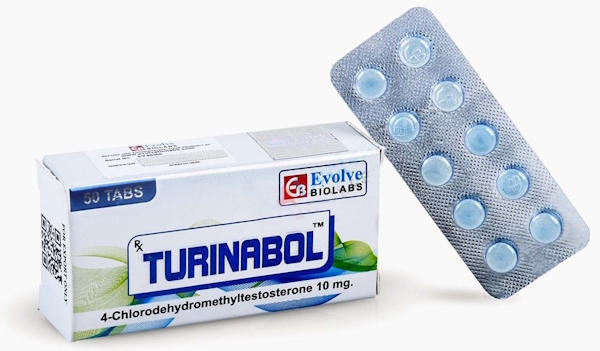
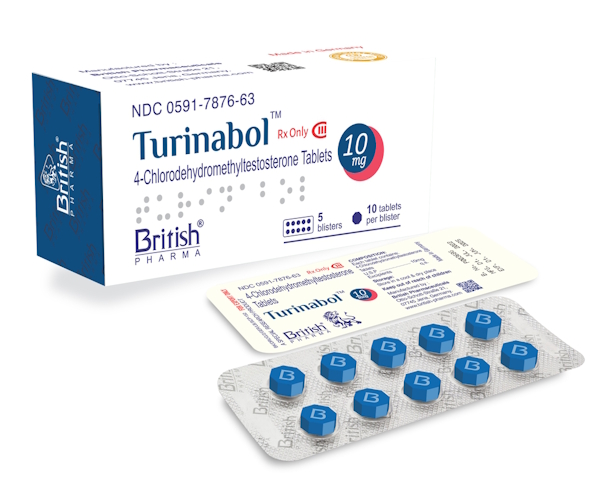
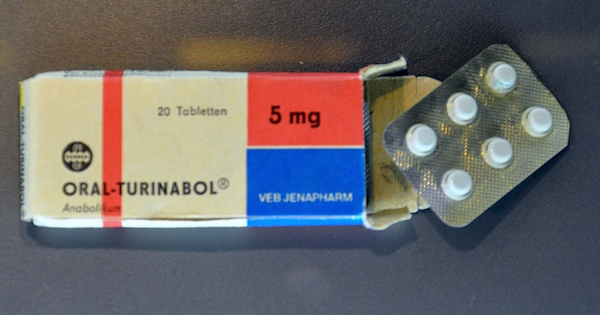
Turinabol (oral-turinabol, chemical name — 4-chlorodehydromethyltestosterone) was developed in 1961 by the German pharmaceutical company Jenapharm, located in East Germany. The creator of the compound is considered to be chemist Albert Stachowiak, who worked on creating an anabolic steroid combining the properties of Methandrostenolone and Oxandrolone. The primary goal was to obtain a compound with moderate anabolic activity, comparable to testosterone, but with minimal side effects and low androgenicity.
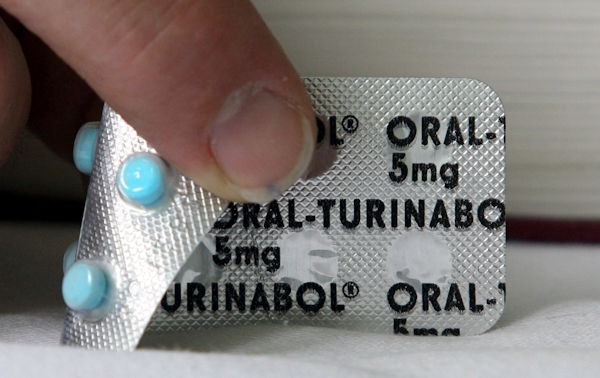
In the 1960s, during the height of the Cold War and the Olympic arms race, East German sports officials were seeking effective steroids that would allow their athletes to achieve high results while remaining undetected in doping tests. Turinabol was ideal for this purpose: it provided increases in strength and muscle mass but cleared the body quickly, which for a long time allowed GDR athletes to avoid disqualifications. The East German state doping program, known under the euphemism “supportive means,” involved thousands of athletes, including teenagers who were often given the little blue Turinabol tablets disguised as vitamins.
After German reunification and the fall of the Iron Curtain, production of the original Jenapharm Turinabol virtually ceased. However, in the early 2000s, the drug experienced an unexpected revival on the black market and in underground laboratories. According to experts, unscrupulous chemists in the United States and other countries either synthesized it themselves or established imports from former Eastern Bloc nations.
As a result, in the 2010s, Turinabol became one of the most frequently detected steroids in doping tests of weightlifters, wrestlers, and baseball players, causing a genuine “mini-epidemic” of positive tests.
Trade Names and Synonyms:
Oral-Turinabol
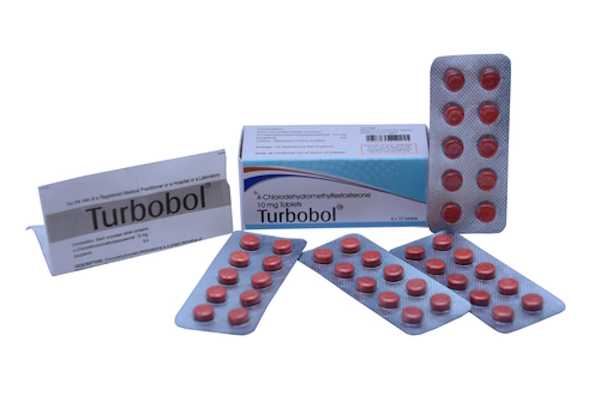
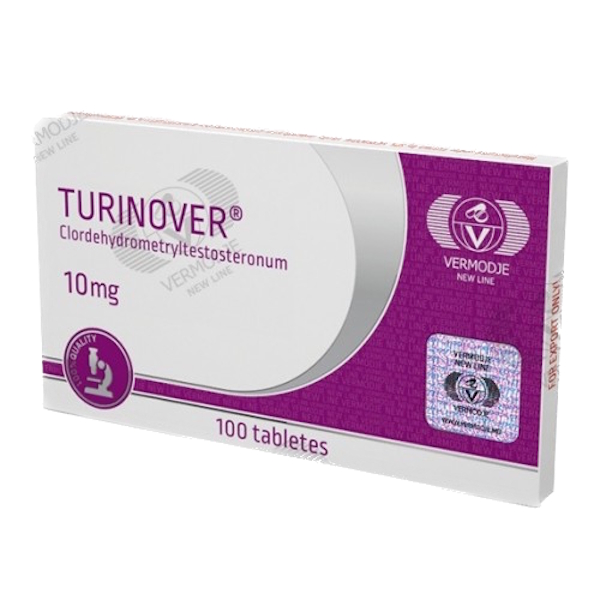
Turinover
Turbobol
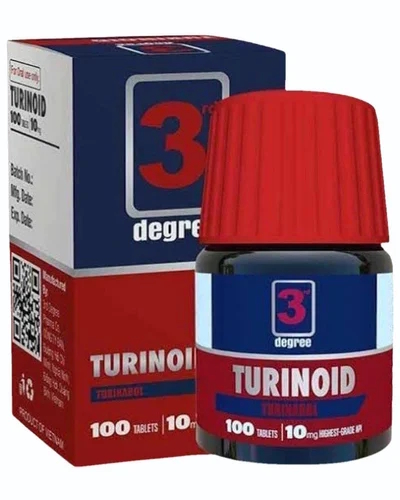
Turinoid
4-Chlorodehydromethyltestosterone
Medical Use
In the 1990s, a patent was registered (US Patent 5591732) describing the use of oral turinabol for optimizing central nervous system activation and preventing osteoporosis. As part of the research, a group of volunteers was given 5-10 mg of the drug daily for six weeks.
Scientists discovered an unexpected effect: most subjects showed increased central nervous system activation, reflected in an increase in alpha frequency on electroencephalograms by up to 4 Hz. This led to improved psychophysiological performance and a reduction in errors when performing complex tasks requiring concentration and muscle coordination. The patent also claimed that turinabol, unlike other anabolic steroids, did not adversely affect endogenous testosterone regulation even with long-term use.
Another medical application was described in a 1984 German study published in the journal Folia Haematologica. Twenty patients diagnosed with impaired fibrinolysis (a condition associated with increased risk of blood clot formation) were given 5-10 mg of turinabol daily. After four weeks, patients began showing increased fibrinolytic capacity in their blood, reaching maximum levels by the third to fourth month of treatment. In one patient with a thrombotic predisposition, symptoms disappeared while taking the drug but recurred after discontinuation.
However, by the 1980s, the production of turinabol for medical purposes had virtually ceased, and today none of the products available on the market are certified pharmaceuticals approved for human use.
Mechanism of Action
Turinabol, being an anabolic androgenic steroid, exerts its effects by binding to androgen receptors located in the cytoplasm of cells in muscle and bone tissue. Penetrating the cell membrane, the drug molecule forms a complex with the receptor, which then translocates to the cell nucleus. Inside the nucleus, this complex interacts with specific DNA regions, modulating gene transcription and triggering a cascade of reactions leading to enhanced protein synthesis.
The key difference of Turinabol from many other steroids lies in its chemical structure: the presence of a chlorine atom at the fourth position (4-chloro) and a methyl group.
Chemical formula: C20H27ClO2, molecular weight: 334.9 g/mol.
It is the chlorine atom that slows the drug’s metabolism in the liver and prevents its interaction with the aromatase enzyme, making conversion into estrogens impossible.
Due to its structure, Turinabol stimulates the mTOR signaling pathway — a key regulator of cell growth and protein synthesis. This leads to an increase in ribosome formation and enhanced efficiency of mRNA translation. Simultaneously, the drug promotes nitrogen, phosphorus, and potassium retention in muscle tissue, creating the positive nitrogen balance necessary for anabolism.
Turinabol also has the ability to lower sex hormone-binding globulin (SHBG) levels. As a result, the concentration of free, biologically active testosterone in the blood increases, further enhancing the anabolic signal. Interestingly, early studies in patients with fibrinolytic disorders showed that Turinabol could increase blood fibrinolytic activity, theoretically reducing the risk of thrombus formation.
When taken orally, the drug has high bioavailability. Peak plasma concentration is reached approximately three hours after administration. The elimination half-life is around 16 hours, requiring daily dosing to maintain stable levels.
However, its metabolites, which are highly lipophilic, can be detected in the body using modern chromatography-mass spectrometry for several months (up to 250 days).
Advantages in Bodybuilding
The main advantage of Turinabol is its ability to build muscle mass without concomitant subcutaneous water retention. This allows athletes to gain so-called “dry” mass: muscles appear dense, hard, and more defined. Progress in weight and strength occurs not as quickly and explosively as with Dianabol or Anadrol, but the results obtained are of higher quality and are better maintained after discontinuation.
Due to the absence of aromatization, users of Turinabol need not fear gynecomastia and excessive fluid retention, which “blur” definition and mask muscle separation. This makes it an ideal choice for cutting phases and pre-contest preparation, where maintaining muscle mass on a low-calorie diet is essential. Low androgenic activity (only 50% of testosterone) also reduces the likelihood of side effects such as acne, seborrhea, and androgenic alopecia.
Another important advantage is the relative mildness of its impact on the body. Many athletes describe Turinabol as a “comfortable” steroid that does not cause sharp mood swings, aggression, or libido suppression characteristic of stronger compounds. At reasonable dosages, it is well-tolerated, making it a popular choice for athletes taking their first steps into “the chemistry” as well as for representatives of cyclic sports where increased endurance without excessive bulk is valued.
Steroid Profile
Let’s explain the steroid profile of Turinabol so the user knows what they’re getting into and what to expect:
Anabolic Activity reflects a steroid’s ability to stimulate protein synthesis and muscle growth. Testosterone is conventionally set at 100%. Turinabol’s anabolic activity reaches approximately 180%, making it moderately effective for building quality muscle mass.
Androgenic Activity indicates how strongly a compound causes masculinizing effects such as voice deepening, body and facial hair growth, acne, and aggression. Turinabol has only about 50% of testosterone’s androgenic activity, explaining its mild action and low risk of androgenic side effects.
Estrogenic Activity relates to a steroid’s ability to convert into estrogens. Thanks to the chlorine atom in its structure, Turinabol does not aromatize and is completely devoid of estrogenic activity.
Half-Life determines dosing frequency. For Turinabol, it is approximately 16 hours, requiring daily administration to maintain stable blood levels. However, its metabolites can be detected in urine for up to 250 days, which is critically important for passing doping control.
Toxicity (Hepatotoxicity) is a critically important parameter for oral steroids. Turinabol is a 17-alkylated compound, ensuring its stability when passing through the liver, but simultaneously placing stress on this organ. Its hepatotoxicity is comparable to that of Methandrostenolone.
HPTA Suppression (hypothalamic-pituitary-testicular axis suppression) is rated as moderately high for Turinabol. It suppresses endogenous testosterone production, making proper post-cycle therapy mandatory after the course.
Libido Effects for most athletes remain normal or slightly increased; however, due to suppression of natural testosterone during the cycle, erectile dysfunction may occur.
Blood Pressure Impact is minimal, as the drug does not cause fluid retention, which is a plus for maintaining cardiovascular health.
Lipid Profile Effects are unfavorable, as with most oral AAS: levels of “good” cholesterol (HDL) decrease while “bad” cholesterol (LDL) increases. This requires monitoring of course duration.
Joint Effects: The drug has no pronounced positive or negative effects on ligaments and tendons, though some improvement in well-being may be associated with the overall anabolic environment.
Hematocrit and Erythropoiesis may be stimulated, increasing red blood cell count and improving endurance, but requires monitoring of blood viscosity.
Androgen Receptor Binding Affinity is lower than that of trenbolone but sufficient for a potent anabolic effect.
Anti-Catabolic Effect helps protect muscles from breakdown during periods of strict dieting.
Progestogenic Activity is absent in Turinabol, unlike 19-nor derivatives.
Daily Dosages
The optimal therapeutic dose, established back in the days of the GDR Olympic program, is 20-40 mg per day, divided into two or three administrations (20mg x2). This amount allows for a steady gain in quality muscle mass and strength with minimal side effects.
For beginner athletes, it is recommended to start with 20-30 mg daily to assess tolerance.
For athletes in cyclic sports (runners, wrestlers, boxers), 10-20 mg daily is sufficient, providing increased endurance without excessive bulk.
In modern bodybuilding, higher dosages ranging from 50 to 100 mg daily are also practiced. However, it is important to understand that exceeding the dose leads to a proportional increase in liver load and worsening of the lipid profile, while muscle gain does not always progress linearly.
Course duration should not exceed 8 weeks, which is due to hepatotoxicity and the need to minimize health damage.
Side Effects
The primary impact of Turinabol use falls on the liver. Like all 17-alkylated oral steroids, it possesses hepatotoxicity comparable to Methandrostenolone. Prolonged use or high dosages can lead to elevated liver enzymes (ALT, AST), cholestatic jaundice, and in rare cases, hepatocellular necrosis. Official reports document carcinogenic effects with long-term, high-dose use.
Regarding the endocrine system, Turinabol has a suppressive effect: it inhibits natural testosterone production, which can lead to temporary hypogonadism, decreased libido, and erectile dysfunction after discontinuation. In women, even small doses can cause virilization: voice deepening, hirsutism, and clitoral hypertrophy. In men, oligospermia and temporary infertility are possible.
On the cardiovascular side, a negative impact on the lipid profile is observed: decreased high-density lipoprotein levels and increased low-density lipoprotein levels, raising the risk of atherosclerosis. Blood pressure elevation may also occur, although this effect is milder than with aromatizing steroids. Clinical observations document cases of tachycardia and cardiac arrhythmias in sensitive individuals.
Conclusions on Usage and Popular Stacks
Turinabol is a specialized tool for quality mass gain and definition enhancement. Its main value lies in its ability to deliver dense, dry muscle without water or puffiness. It performs best in combination with other compounds, serving as an ideal addition to improve muscle quality.
Stack for Quality Mass Gain (with Testosterone). This is the most popular and balanced combination. Turinabol at 20-30 mg daily works as a “dry” oral component, adding hardness and density to muscles, while testosterone enanthate at 250-500 mg weekly provides a powerful anabolic base and supports overall hormonal balance. This tandem allows for impressive yet quality gains that are easy to maintain post-cycle with proper PCT. Turinabol is discontinued first (at weeks 6-8), with testosterone stopped about a week later.
Stack for Cutting and Pre-Contest Preparation (with Trenbolone). For experienced athletes aiming for maximum muscle detail and separation, Turinabol pairs excellently with trenbolone acetate. Turinabol’s low androgenicity and complete lack of estrogenic activity complement trenbolone’s powerful fat-burning and muscle-hardening effects. In this stack, Turinabol helps preserve strength and muscle mass during strict dieting without adding water. Both compounds are considered “dry,” making this one of the most effective combinations for peak contest shape, though also one of the most demanding in terms of health monitoring.
Differences Between Turinabol and Methandrostenolone (Dianabol)
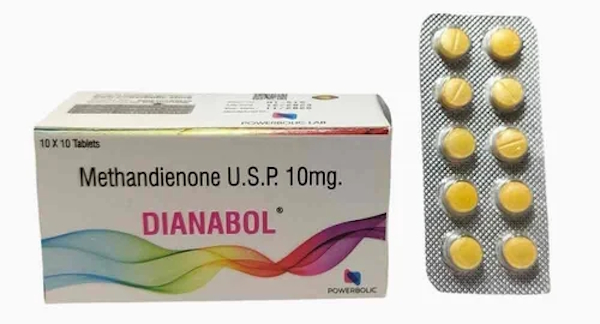
The main difference lies in their chemical structure and, consequently, their impact on the body. Methandrostenolone (Dianabol) is a powerful steroid with high anabolic and androgenic activity that undergoes aromatization, converting into estrogens. Turinabol is essentially a modified version of Dianabol with an added chlorine atom that blocks the aromatase enzyme.
Visually and in terms of user experience, the difference is colossal: Dianabol produces rapid but “watery” mass gains due to fluid retention, making muscles fuller but blurred. Turinabol acts more slowly, and weight gain is more modest, but it comes exclusively from dry muscle tissue. The result appears “hard” and dry, which is especially valuable for athletes who do not want to look bloated.
The choice between them depends on the athlete’s goals and experience. For a beginner seeking rapid mass and strength increases, Dianabol may seem more attractive due to its quick feedback. However, more experienced athletes who value quality and aesthetics tend to favor Turinabol. Turinabol is also a safer choice regarding the absence of estrogenic side effects (gynecomastia, edema) but requires stricter liver monitoring due to similar hepatotoxicity.
Dmitry Volkov – is the author of our bodybuilding section is a practicing sports medicine physician based in Dallas, Texas, with 21 years of hands‑on experience in sports pharmacology. At 42, he combines deep academic knowledge with real‑world expertise gained from coaching athletes of all levels — from amateurs to seasoned competitors. He earned his medical degree from a leading Texas institution and spent years working in sports medicine clinics and private practice.
His primary focus is hormonal regulation of muscle growth, the use of anabolic steroids and peptides, and post‑cycle recovery. He understands modern protocols inside out because he consults real people every day, helping them avoid side effects and achieve safe results. His approach is rooted in evidence‑based medicine, yet remains grounded in the realities of both amateur and professional sports.
In his articles, he aims to debunk myths and deliver clear, scientifically sound recommendations. Every piece of content is vetted not only by medical knowledge but also by years of clinical observation. He firmly believes that responsible pharmacology requires a solid grasp of biochemistry, respect for one’s body, and regular medical monitoring — and he works hard to convey these principles in a way that is both accessible and actionable for his readers.