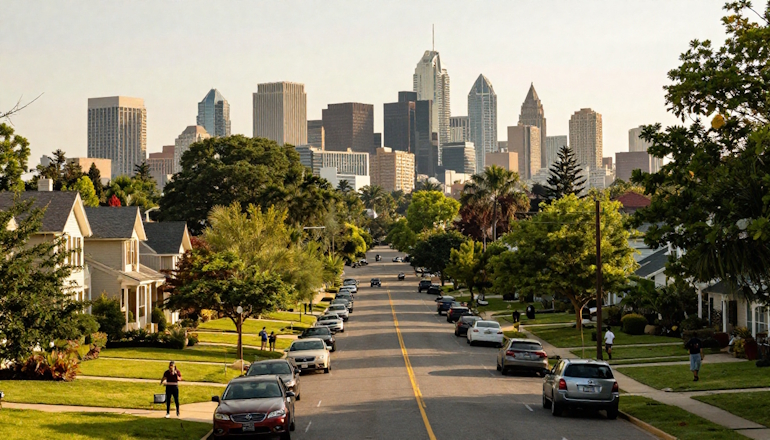
Five years ago, the biggest factors were work and status. Today, people ask different questions: can I actually afford a house here, will rent swallow my paycheck, and will I have a life outside of traffic? Those answers have pushed thousands of families away from the coasts and toward places that, ten years ago, hardly anyone took seriously. These are no longer just dots on a map. They are the places people genuinely want to live.
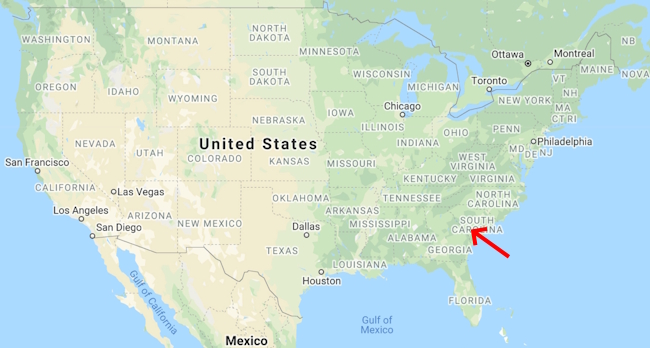
South Carolina
-
Climate: humid subtropical. Hot, humid summers; mild winters. Hurricane season runs from June to November.
-
GDP & Economy: steady growth in 2026, especially in manufacturing and services around Charleston and Greenville.
-
Population: estimated at 5.4–5.5 million. Among the top ten states for population growth.
-
Major Cities: Charleston, Columbia (capital), North Charleston, Mount Pleasant.
-
Capital: Columbia.
-
Attitude Toward Newcomers: traditionally welcoming to movers due to low property taxes and affordable housing; popular with families and retirees.
-
Demographics: roughly 68% White, 26% Black, 6% Hispanic.
-
Top Attractions: historic downtown Charleston, Fort Sumter, Magnolia Plantation and Boone Hall, Hilton Head and Myrtle Beach beaches.
South Carolina has held onto the title of the state Americans are moving to most for a second year in a row. There are no noisy mega-cities here, but there are low property taxes, mild winters, and a coastline that is still within reach. People are not coming here just to retire, as many assume. They are coming with families and jobs, because the labor market is growing and housing is still affordable compared with Florida or California. Internal migration into the state stands at 59 percent, which means that out of every ten relocating families, about six choose South Carolina.
The state’s biggest draw is its cities, the ones you will not find in glossy travel magazines but that everyone serious about relocating knows well. Ocala and Myrtle Beach were once associated mostly with retirees, but today younger families are moving there too, because homeownership is still realistic instead of financially crushing. South Carolina is not trying to be New York or Los Angeles. It offers what matters most right now: a real quality of life, where work does not consume everything and money goes toward a home and a family instead of taxes and overhead.
At this point, South Carolina is not about luxury. It is about making a smart choice.
Most people who move here come from expensive northern states where housing stopped matching income a long time ago. They find homes they can actually afford, jobs that do not demand constant hustle, and a climate where winter does not drag on for half the year. There is no illusion of a gold-plated coastline here. There is a calmer life that does not cost everything you earn. That is what makes South Carolina a place people move to, not just visit for a weekend.
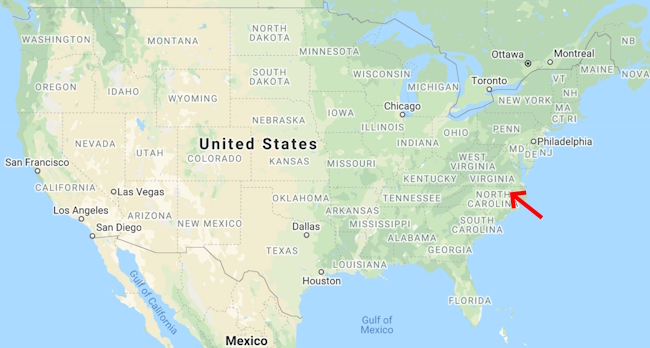
North Carolina
-
Climate: humid subtropical on the coast, temperate in the mountains. Mild winters, warm summers.
-
GDP & Economy: projected GDP growth of 2.3% in 2026. The Research Triangle remains a key hub for tech and science.
-
Population: approximately 10.9 million.
-
Major Cities: Charlotte, Raleigh (capital), Greensboro, Durham.
-
Capital: Raleigh.
-
Attitude Toward Newcomers: remains one of the most attractive states, especially for families and skilled professionals.
-
Demographics: roughly 69% White, 22% Black, 10% Hispanic.
-
Top Attractions: Chimney Rock State Park, museums in Raleigh (the “Smithsonian of the South”), Wrightsville Beach and the Outer Banks, Great Smoky Mountains National Park.
North Carolina is a state that spent a long time in the shadow of Florida and Texas, but over the past three years it has shown steady growth that analysts call one of the most durable in the region. There are no dramatic spikes here, but tens of thousands of families arrive every year, and they stay. Compared with neighboring South Carolina, North Carolina has more large cities with serious economies, from Charlotte’s banking sector to the Research Triangle’s science and tech cluster. Even so, housing is still cheaper than in Texas or Florida, and quality of life is higher.
What sets North Carolina apart is how its cities are built. Raleigh, Durham, and Chapel Hill form a corridor where work, education, and affordable housing are all within a half-hour drive. These are not bedroom communities where people only sleep at night. They are full-scale communities where people move to raise children, not just to get by for a few years. The state also has some of the best schools in the South, a strong healthcare system, and universities that help keep the economy stable even when other states slow down.
Why is North Carolina so attractive right now?
Because it is one of the few states where career and life still feel balanced. There are no endless traffic jams like in Atlanta and no insurance crisis like in Florida. People moving here from California, New York, or Illinois say the same thing: they can finally afford a house with a yard without giving up their career. This is not about cheap living. It is about a fair price for normal conditions. That is exactly why North Carolina remains one of the five states with the most stable population inflow, regardless of economic shifts.
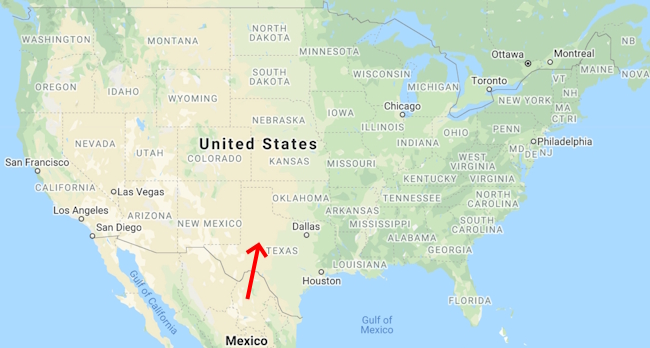
Texas
-
Climate: ranges from temperate in the north to tropical on the Gulf coast. Hot, dry summers in Hill Country; mild winters. Desert climate in the west.
-
GDP & Economy: largest economy among U.S. states. Key sectors: energy, tech (Austin), healthcare (Houston), aerospace.
-
Population: exceeds 31 million in 2026.
-
Major Cities: Houston, San Antonio, Dallas, Austin (capital), Fort Worth.
-
Capital: Austin.
-
Attitude Toward Newcomers: despite high housing costs in metros, remains the top destination for movers due to no income tax and a massive job market.
-
Demographics: roughly 40% White, 40% Hispanic, 12% Black, 5% Asian.
-
Top Attractions: the Alamo and River Walk in San Antonio, Johnson Space Center (Space Center Houston), Fort Worth Stockyards, Washington-on-the-Brazos State Historic Site.
For years, Texas was the main magnet for people on the move, and although the flow has slowed somewhat, the state still ranks among the leaders in total new arrivals. Over the past year, nearly 400,000 people moved there, more than to any other state. But today Texas attracts people for more than just its lack of state income tax. It is the scale of opportunity: a huge job market, dozens of cities for different tastes and budgets, and housing that is still relatively affordable compared with the coasts. The migration pattern has changed, though. People used to move to Austin or Dallas without even looking at prices. Now they are choosing suburbs and smaller cities where they can buy a home without spending half their paycheck on a mortgage.
A good example is Princeton, a small city north of Dallas that has grown by a third in just the last couple of years. People move there because they work in Dallas or Plano but are not willing to pay a million dollars for a house inside the city. More and more places like that are appearing around Texas metro areas, such as Leander near Austin and Kyle between Austin and San Antonio. People are willing to drive an extra 15 to 20 minutes to buy a $350,000 house that would cost $700,000 in the city. That is not a new story in Texas, but it has become the central one.
Still, Texas is no longer a place you move to blindly.
Prices have gone up everywhere, and competition for housing in major cities now looks a lot like California. The main shift is that people come here with a specific plan: where exactly will I work, how much time am I willing to spend commuting, and can I buy a home in this neighborhood within a year. Texas remains a place where you can build a career and buy property, but it now demands a thoughtful approach. Families moving here today are not looking for easy money. They are looking for stability, and the state still delivers it.
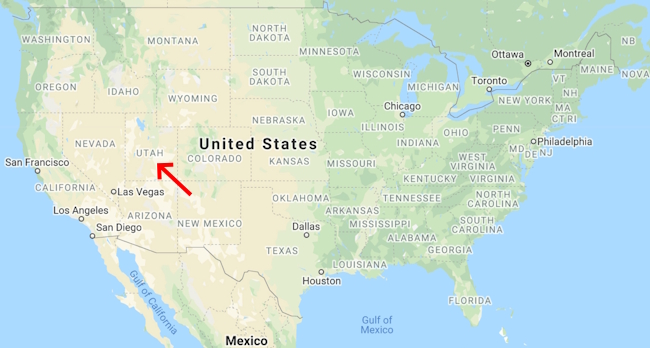
Utah
-
Climate: arid and semi-arid. Hot, dry summers; cold winters with heavy snow in the mountains.
-
GDP & Economy: high employment, steady growth in tech, finance, and tourism.
-
Population: about 3.5 million. Among the fastest‑growing states.
-
Major Cities: Salt Lake City (capital), West Valley City, Provo, St. George.
-
Capital: Salt Lake City.
-
Attitude Toward Newcomers: highly attractive due to strong economy and access to outdoor recreation.
-
Demographics: roughly 78% White, 15% Hispanic, 3% Asian.
-
Top Attractions: “Big Five” national parks (Zion, Bryce Canyon, Arches, Canyonlands, Capitol Reef), Park City ski resorts and Olympic Park, Goblin Valley State Park, Temple Square.
Utah has become a model in recent years for how to grow an economy without wrecking quality of life. It has the highest employment rate in the country, steady job growth, and relatively low unemployment. But the real appeal is not the numbers. It is how life is organized here. In Salt Lake City and the surrounding area, work, nature, and affordable housing are all within a sensible distance. People who move here from California or the East Coast often say that for the first time in years they can afford a home without living in endless traffic.
The tech sector is growing faster here than in many states, yet housing prices in the Salt Lake Valley were, until recently, still lower than in Austin or Denver. They have risen, of course, but the gap is still noticeable. In suburbs like Lehi or Draper, it is still possible to find a house with a yard and have a job in tech or healthcare within a half-hour commute. For anyone tired of two-hour drives in Los Angeles or Washington, that feels like freedom.
But Utah is not just about the economy. It is a state where nature and city life are in balance, and you hear that in every conversation with locals.
People do not spend their weekends escaping to nature. They live inside it. Mountains, canyons, and clean air are not something you have to drive three hours to reach. They are right outside the window. For many people moving in, that becomes the deciding factor: you can build a career, buy a house, and still not feel like your life is being spent in concrete boxes and traffic jams. That is why Utah remains one of the five states with the strongest population inflow, even though people talk about it less than Texas or Florida.
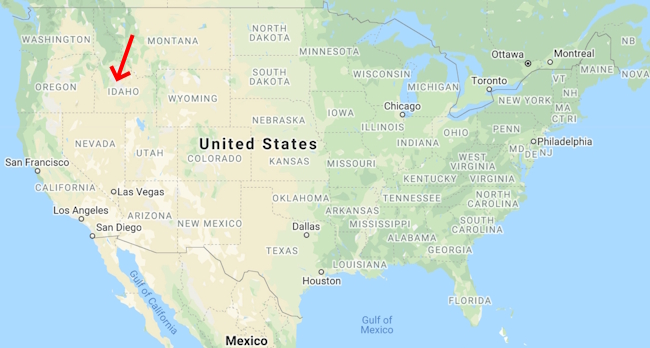
Idaho
-
Climate: continental. Cold winters (especially in the mountains), warm dry summers. High desert in the south; forested mountains in the north.
-
GDP & Economy: diversified—tech (Boise), agriculture (potatoes, dairy), manufacturing, tourism.
-
Population: about 2 million. One of the fastest‑growing states.
-
Major Cities: Boise (capital), Meridian, Nampa, Idaho Falls.
-
Capital: Boise.
-
Attitude Toward Newcomers: a magnet for those who value nature and a quieter pace; attracts many remote workers.
-
Demographics: roughly 85% White, 12% Hispanic, 2% Asian.
-
Top Attractions: Bruneau Dunes State Park (tallest single‑structure sand dunes in North America), Coeur d’Alene Lake and the Northwest Passage Scenic Byway, Yellowstone National Park (eastern section), Snake River and Shoshone Falls.
Idaho used to be associated with potatoes and the middle of nowhere, but today it has become the biggest surprise for people who can work from anywhere. Over the last few years, so many people have moved there that locals joke it is only quiet on postcards now. The irony is that Idaho is not attracting remote workers alone. Its own economy is growing, manufacturing is expanding, healthcare is developing, and Boise, the state capital, stopped being a “big small town” long ago. It is now a real city with solid jobs and everything people need to live.
Why did Idaho become the choice for people who can live anywhere? Because it combines things that rarely show up together elsewhere: low taxes, genuinely affordable housing, clean nature, and at the same time actual civilization instead of total isolation. In Boise, you can buy a house for around $450,000 that would cost two to three times as much in California or Colorado. In Twin Falls or Idaho Falls, it is even cheaper. And you still get good schools, hospitals, internet, and an airport that can take you wherever you need to go.
But Idaho has another side, too, and people who move there talk about it honestly.
It is not a place for career climbers chasing the corporate top. People here value pace, space, and quiet. They move here when they are tired of the constant race and realize they want a home with a mountain view, not a rented apartment with neighbors overhead. Idaho today is a choice in favor of living, not racing, and for those who make that choice, it becomes a real find. That is why the state keeps ranking among the fastest-growing, even though it still gets little attention in the news.

Welcome to Poznayu.com!
My name is Alex, and I founded this project together with a team of like-minded professionals. At Poznayu.com, we create in-depth reviews, explore fascinating facts, and share well-researched, reliable knowledge that helps you navigate complex topics with confidence.
Our mission is simple: to explain complicated ideas in clear, accessible language. We believe that high-quality information should be available to everyone. Every article we publish is designed to provide practical value, actionable insights, and trustworthy analysis you can rely on.
Join our growing community of curious readers. Your feedback matters — share your thoughts in the comments, ask questions, and suggest topics you’d like us to cover next.