Antioxidants and supplements are now built into most on-cycle support protocols for anabolic steroid users. But can you actually hurt hypertrophy by overdoing protection from oxidative stress? And do some compounds need a very specific supplement stack instead of a generic one?
In this article, I will break down why too many antioxidants can blunt muscle growth and build a practical checklist for support on different steroids.
In simple terms: why use antioxidants on cycle at all?
Steroids increase the production of free radicals in the mitochondria. That is not always a bad thing — a moderate amount of oxidation is part of growth signaling. But if it gets out of control, oxidative stress starts damaging cells, worsening the lipid profile, and speeding up aging. That is why athletes add antioxidants: to reduce side effects.
The problem is that a lot of people throw everything in at once: vitamins C and E, N-acetylcysteine, alpha-lipoic acid, coenzyme Q10, astaxanthin. Sometimes they also add plant extracts like curcumin or resveratrol. It feels like more must be better. But the body is a complex system, and bluntly “shutting off” all radicals can interfere with the signaling pathways muscles need for adaptation.
Anabolic steroids increase the production of reactive oxygen species in the mitochondria of hepatocytes and cardiomyocytes. That leads to higher liver enzymes — ALT, AST, and GGT — higher LDL, lower HDL, and oxidative damage to cell membranes.
The main job of antioxidants here is to prevent chronic inflammation and premature vascular aging without getting in the way of anabolic signaling.
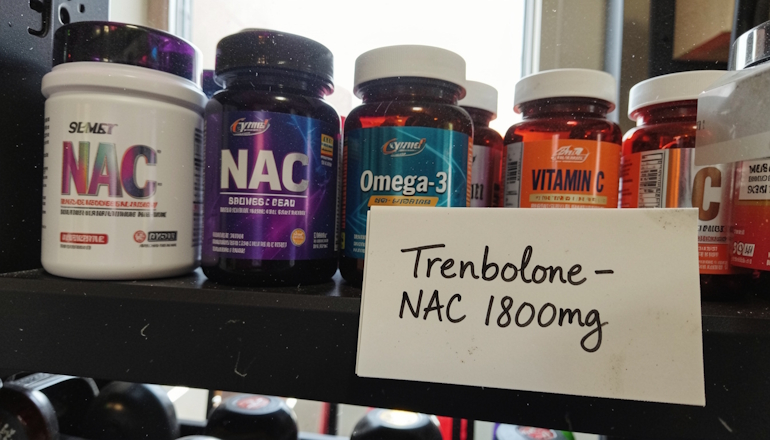
A basic stack for most cycles includes vitamin C (500–1000 mg/day), vitamin E (400 IU mixed tocopherols), N-acetylcysteine (600–1200 mg/day) for liver and glutathione support, and omega-3 fatty acids (2–3 g EPA+DHA) for lipid control. People also commonly use coenzyme Q10 (100–200 mg) for heart support and alpha-lipoic acid (600 mg) to improve insulin sensitivity.
Still, a lot of athletes blindly copy protocols without understanding doses or interactions.
High doses of individual antioxidants can do more than fail to help — they can reduce training adaptation.
For example, studies show that high-dose vitamin C and E may reduce the expression of genes responsible for mitochondrial biogenesis, which can eventually hurt endurance and hypertrophy.
That is why supplements need to be used in a targeted way: to control liver enzymes, lipids, and oxidative stress, but without overcorrecting and wiping out free radicals too aggressively.
The sweet spot is to keep antioxidant levels within physiological range, not drive radicals all the way to zero.
Why too many antioxidants can suppress hypertrophy ?
Mechanical load and metabolic stress during training generate reactive oxygen species, or ROS, which act as signaling molecules that activate mTOR and transcription factors like PGC-1α.
A moderate amount of ROS is necessary for muscle adaptation. If you take large doses of free-radical “killers,” especially vitamins C and E, you can blunt that signal.
Animal and human studies show that combining vitamin C (1000 mg) and vitamin E (400 IU) for several weeks reduced muscle insulin sensitivity and impaired muscle fiber growth in response to training. The mechanism is suppression of the transcription factors that trigger the synthesis of mitochondrial proteins and contractile elements.
That does not mean these vitamins are bad. It means timing and dosing matter.
Which antioxidants and at what doses may be bad for hypertrophy. Here are the examples:
Vitamin C (ascorbic acid): when taken continuously at more than 1000–1500 mg/day.
Vitamin E: doses above 400–800 IU/day.
N-acetylcysteine (NAC): long-term use above 2000 mg/day can disrupt redox signaling.
Polyphenols (resveratrol, curcumin): at very high doses they can also have a similar effect.
Practical takeaway: you do not need to avoid antioxidants entirely. You need to avoid megadoses, especially right after training, when signaling ROS matter. It is better to take antioxidants 1–2 hours before training or separately from it, and to use breaks. And do not chase an “antioxidant buzz” by swallowing a dozen caps of every radical-fighting supplement you can find.
Which AAS require a special supplement and antioxidant stack?
Not all steroids are equally toxic. Some hit the liver, others the kidneys, others the heart and blood vessels, and others the joints or lipid profile. A universal “one size fits all” stack is not effective.
Let us look at several examples:
Trenbolone — one of the most hepatotoxic and nephrotoxic AAS. It significantly raises creatinine and can trigger oxidative stress in the kidneys. It calls for tighter monitoring: N-acetylcysteine (1200–1800 mg/day) for glutathione, curcumin with piperine to reduce inflammation, and betaine (2–3 g/day) to support the liver. Add potassium and magnesium to help prevent cramping, plus blood pressure monitoring.
Oxymetholone (Anadrol) — a powerful oral steroid known for liver toxicity and increased erythropoiesis. It calls for: NAC (1200–1800 mg/day), silymarin (milk thistle, 500–1000 mg/day), vitamin E (400 IU, no higher), and astaxanthin (12–24 mg/day) to protect the liver and reduce lipid oxidation. Berberine is also useful for glucose control, since oxymetholone can worsen insulin sensitivity.
Nandrolone (Deca-Durabolin) — less hepatotoxic, but it strongly affects prolactin and progesterone receptors and can contribute to fatty liver disease during long cycles. The focus here is joint and vascular support. Supplements: glucosamine + chondroitin (1500/1200 mg), omega-3s (3 g EPA+DHA), vitamin D3 (2000–5000 IU), and magnesium (400 mg). Antioxidants should stay basic, without going overboard, with an emphasis on coenzyme Q10 (200 mg/day) for the heart.
Stanozolol (Winstrol) — causes dry joints and raises LDL while lowering HDL. It needs lipid and connective-tissue support. Supplements: high-dose omega-3s (3–4 g), beta-sitosterols or red yeast rice (with your doctor’s approval), hyaluronic acid and collagen for the joints, plus antioxidants like vitamin C (500 mg) and NAC (600 mg) without going crazy.
Mibolerone (Cheque Drops). One of the strongest and most hepatotoxic androgens I have seen in practice, and it requires maximum liver protection. High-dose NAC (1800–2400 mg/day) is needed for glutathione support, along with silymarin (milk thistle, 500–1000 mg/day). Prolactin and estradiol must be monitored because of its strong progestogenic activity. The cycle should not last longer than 3–4 weeks.
Halotestin (fluoxymesterone). An extremely liver-toxic oral drug, based on my experience, and also known for harming the lipid profile and the cardiovascular system. Aggressive liver support is required: NAC (1200–1800 mg/day) and silymarin. Omega-3s (3–4 g EPA/DHA) and coenzyme Q10 (200–300 mg/day) are critical for heart and vascular protection.
Of course, these are only guidelines. The ideal plan is individualized based on your cycle, dose, duration, and overall health. But the general rule is this: do not skimp on support, but do not turn supplement use into a homemade 20-bottle “chemotherapy” experiment.
It is better to run labs after a month and adjust the doses.
Conclusion
Antioxidants and supplements are important helpers on an AAS cycle, but they need to be used thoughtfully.
Too much vitamin C and E can blunt hypertrophy, and different steroids need different support.
Stick to moderate doses, separate antioxidants from training when needed, and keep an eye on your health with lab work. That way your muscles keep growing, and your body stays functional.
Dmitry Volkov – is the author of our bodybuilding section is a practicing sports medicine physician based in Dallas, Texas, with 21 years of hands‑on experience in sports pharmacology. At 42, he combines deep academic knowledge with real‑world expertise gained from coaching athletes of all levels — from amateurs to seasoned competitors. He earned his medical degree from a leading Texas institution and spent years working in sports medicine clinics and private practice.
His primary focus is hormonal regulation of muscle growth, the use of anabolic steroids and peptides, and post‑cycle recovery. He understands modern protocols inside out because he consults real people every day, helping them avoid side effects and achieve safe results. His approach is rooted in evidence‑based medicine, yet remains grounded in the realities of both amateur and professional sports.
In his articles, he aims to debunk myths and deliver clear, scientifically sound recommendations. Every piece of content is vetted not only by medical knowledge but also by years of clinical observation. He firmly believes that responsible pharmacology requires a solid grasp of biochemistry, respect for one’s body, and regular medical monitoring — and he works hard to convey these principles in a way that is both accessible and actionable for his readers.