
In its pure form, calcium is virtually never found in nature because of its high chemical reactivity, so in pharmacology and nutrition science it is always present as salts or complex compounds.
The attached molecule, or “tail,” acts as a transport system that determines the substance’s solubility, the rate at which it is absorbed in the gastrointestinal tract, and its ultimate bioavailability. The chemical form determines what percentage of the beneficial substance actually reaches the bloodstream and what passes through the body or triggers side effects.
The modern pharmaceutical market offers dozens of calcium supplement forms, which often leads to confusion.
Choosing the wrong form can result in more than a lack of benefit: an improperly selected compound can cause serious digestive problems, mineral deposits in the kidneys, or calcification of blood vessel walls instead of the expected support for the skeleton. It is critical to look not only at the total weight of the tablet but also at the amount of so-called elemental calcium, or the actual mineral content.
Understanding the biochemical nature of each supplement type makes it possible to use them for specific purposes.
The choice should be based on the person’s age, the condition of the stomach lining, gastric acidity, and the specific therapeutic goal, whether that means preventing cavities, treating severe osteoporosis, or controlling acute allergic reactions.
Main Types of Calcium Supplements
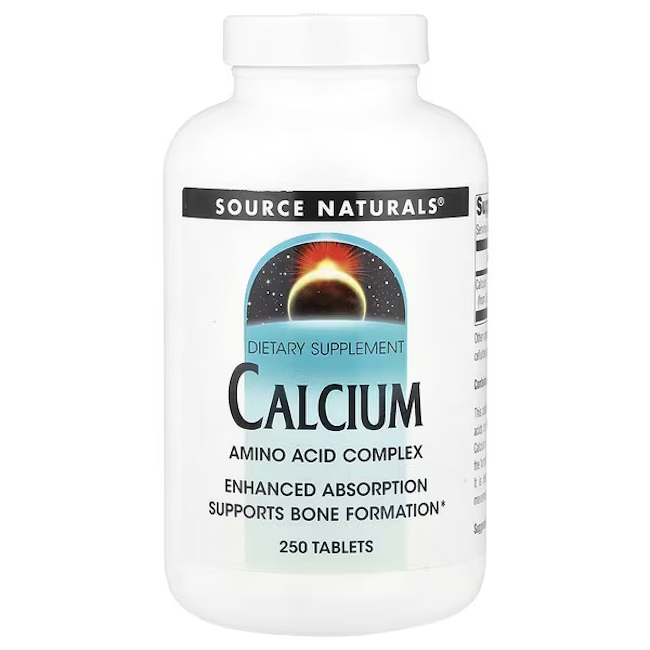
The wide range of calcium forms—from inorganic salts to amino acid chelates—reflects differences in bioavailability, elemental calcium content, and gastrointestinal tolerance.
The specific compound should be selected based on gastric acidity, age, and metabolic needs to maximize absorption while minimizing side effects.
| Calcium Form | Elemental Ca Content | Bioavailability (Absorption) | Absorption Conditions and Features |
|---|---|---|---|
| Chelate (Bisglycinate) | ~10–18% | Very high (up to 90–95%) | Absorbed through peptide pathways; does not depend on gastric acidity or food. |
| L-Threonate | ~13% | Very high (up to 95%) | Crosses the intestinal barrier through passive diffusion; stimulates collagen synthesis. |
| Citrate Malate (CCM) | ~20–24% | High (~36–42%) | Fully soluble in water; absorbed 20–30% more efficiently than standard citrate. |
| Citrate | ~21% | High (~35–40%) | Easily dissociates into ions; does not require hydrochloric acid and does not promote kidney stones. |
| Lactate | ~13% | High (~30–40%) | Dissolves quickly; gentle on the gastrointestinal lining and suitable for food fortification. |
| Ascorbate | ~10% | High (~30–40%) | Buffered form with a neutral pH; absorbed without irritating the stomach lining. |
| Orotate | ~11% | High (cellular) | Crosses lipid membranes and transports calcium ions directly into mitochondria. |
| Microcrystalline Hydroxyapatite | ~25–30% | High (slow) | Natural bone matrix; provides even, gradual release. |
| Gluconolactate | ~9–13% | High (rapid) | Has maximum solubility in liquids; releases ions into the blood almost immediately. |
| Glycerophosphate | ~19% | Medium / High | Organic compound; effectively absorbed and reduces acidity in the mouth. |
| Pyruvate | ~15% | Medium / High | Absorbed along with pyruvic acid and involved in energy metabolism. |
| Carbonate | ~40% | Medium (~20–30%) | Requires a high concentration of hydrochloric acid; taken strictly with meals. |
| Coral | ~35–40% | Medium (~20–30%) | Consists of 85–90% carbonate; follows the same absorption conditions. |
| Phosphate | ~39% | Medium (~20–30%) | Requires adequate vitamin D; absorbed along with phosphorus. |
| Chloride | ~27% | High (when given IV) | Burns the gastrointestinal tract when taken orally; used primarily by injection in medicine. |
| Gluconate | ~9% | Low orally (~3–9%) | Poorly absorbed in tablet form because of the low dose; effective mainly when given intravenously. |
Calcium Carbonate
This compound has the highest concentration of elemental calcium, at about 40% of the total weight.
Chemically, carbonate is similar to ordinary chalk, eggshells, and limestone. The key physiological feature of this form is its strict dependence on hydrochloric acid: breaking down the compound and releasing calcium ions requires a highly acidic environment. When acidity is insufficient, the substance is not absorbed properly, settles in the lower intestine, and can cause significant gas, bloating, and persistent constipation.
Calcium carbonate should be taken exclusively during a substantial meal or immediately afterward to coincide with peak gastric acid secretion. This inexpensive form is well suited to younger people and patients with a healthy gastrointestinal tract for basic prevention of calcium deficiency. Because of its alkaline properties, carbonate is also used as a fast-acting antacid to relieve heartburn and neutralize excess stomach acid.
Calcium Citrate
Calcium citrate is the calcium salt of citric acid and contains about 21% elemental calcium.
The fundamental difference with citrate is its complete independence from gastric acid: it dissolves easily even in water and is absorbed by the body with minimal effort. Another chemical advantage is citric acid’s ability to alkalize urine, which helps prevent oxalate crystallization and sharply reduces the risk of kidney stones.
Doctors prescribe calcium citrate for patients over 45–50 because natural hydrochloric acid production physiologically declines with age. It is the only choice for people with low gastric acidity (achlorhydria), as well as those who regularly take proton pump inhibitors such as omeprazole. The supplement can be taken at any time of day, with or without food, making it especially convenient for complex treatment regimens.
Calcium Chelate (Bisglycinate and Amino Acid Complexes)
In this innovative form, the mineral ion is tightly bound to amino acid molecules, most often glycine, creating a claw-like structure.
The digestive system recognizes this compound as a light peptide or protein, allowing the mineral to be absorbed in the small intestine through separate transport pathways and bypassing classic ionic competition. Chelated calcium does not interact with phytic acid from grains, has record-high bioavailability of up to 90–95%, and does not irritate the stomach lining.
Chelated forms are used for profound deficiency states when rapid replenishment is needed and are also prescribed to pregnant women to prevent toxicity and intestinal problems. They are the first choice for patients with inflammatory bowel diseases such as irritable bowel syndrome and Crohn’s disease because absorption occurs even through damaged epithelial villi. The higher cost is considered justified when less expensive calcium salts are not tolerated.
Calcium Lactate
This form is produced by combining the mineral with lactic acid and has a relatively modest elemental calcium yield of only about 13%.
Calcium lactate has excellent solubility in liquid environments and an extremely gentle metabolic profile. Unlike heavier inorganic salts, it is gentle on the digestive tract and does not cause abrupt changes in the stomach’s acid-base balance.
Calcium lactate is widely used in specialized medical nutrition, for food fortification such as fruit juices, and in prenatal vitamin formulas because of its low allergenic potential. Specialists recommend this form when a patient needs a long-term but gentle supply of calcium without placing additional strain on the excretory system. Lactate is also widely used in dentistry in remineralizing gels and mouthwashes to strengthen tooth enamel.
Calcium Phosphate
This two-component compound supplies both calcium, at about 39%, and phosphorus, closely matching the natural chemical composition of the human bone matrix.
Absorption of this complex depends heavily on adequate vitamin D levels and normal parathyroid function. Excessive or uncontrolled phosphate intake can disrupt the delicate calcium-phosphorus balance in the blood, paradoxically causing the body to remove minerals from its own bones.
The supplement is prescribed for specific osteopenic conditions when laboratory tests show simultaneous deficiencies of both elements. Phosphate complexes are widely used in traumatology to accelerate the healing of complex fractures and in dental implantology for bone augmentation. The supplement should be taken strictly with a complete meal to ensure adequate enzymatic breakdown and subsequent incorporation of the minerals into tissues.
Calcium Gluconate
Produced through a reaction with gluconic acid, this medication is one of the oldest pharmaceutical calcium forms and contains only 9% elemental calcium.
As an oral source of calcium, gluconate is critically inefficient: covering the daily requirement would require taking dozens of large tablets. However, the substance dissolves extremely well in water without forming a precipitate, making it ideal for injectable solutions.
In modern evidence-based medicine, calcium gluconate is used primarily intravenously for emergency treatment of life-threatening conditions such as severe hypocalcemic tetany, acute allergic reactions, or magnesium salt poisoning. Using calcium gluconate tablets to treat chronic deficiency or osteoporosis is now considered outdated, although the drug is occasionally used for short courses to reduce capillary permeability in mild allergic reactions.
Microcrystalline Hydroxyapatite
This substance is extracted directly from the lyophilized bone tissue of young calves and represents a complex natural matrix.
In addition to calcium and phosphorus in an ideal biological ratio, hydroxyapatite contains type I collagen, essential amino acids, and trace minerals including magnesium, zinc, and boron. The preparation provides slow, physiological release into the bloodstream, which completely eliminates the risk of dangerous spikes in blood calcium.
These supplements are used specifically for the treatment and intensive prevention of osteoporosis, especially in postmenopausal women. Hydroxyapatite is prescribed when densitometry confirms deterioration of bone trabeculae because the complete matrix performs a dual function: it provides quality building material while also stimulating osteoblasts, the cells responsible for forming new bone tissue.
Other Types of Calcium
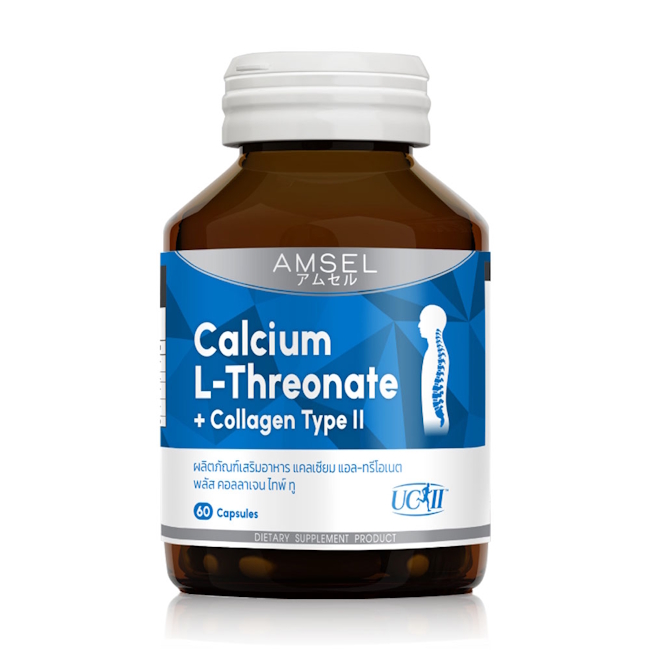
There are also other, less common, highly specialized, or newer chemical forms. They are found in premium formulas, sports nutrition products, and specialized pharmaceutical preparations.
Here is a brief look at all of them.
Calcium Citrate Malate (CCM / Calcium Citrate Malate):
- Properties: A complex organic salt of citric and malic acids. It has the highest water solubility and absorption among non-chelated salts, with absorption 20–30% higher than standard citrate. It does not require hydrochloric acid for breakdown, does not cause bloating, and does not produce kidney deposits.
- When Used: For maximum bone support in children during active growth, older adults, and patients with sensitive gastrointestinal tracts. It is often added to fortified foods and premium vitamin formulas.
Calcium L-Threonate (Calcium L-Threonate):
- Properties: A calcium compound with L-threonic acid, a metabolite of vitamin C. Thanks to the threonate component, the mineral crosses the intestinal barrier through passive diffusion with bioavailability of up to 95%. Its main feature is the ability to stimulate collagen and osteocalcin synthesis.
- When Used: For severe osteoporosis, osteoarthritis, and cartilage damage. It is prescribed when the goal is not only to supply minerals to the bones but also to restore the collagen matrix of joints and joint capsules.
Calcium Orotate (Calcium Orotate):
- Properties: A salt of orotic acid containing only about 11% elemental calcium. Orotic acid acts as a biotransporter, helping calcium ions cross the lipid membranes of cells and enter the mitochondria and nucleus directly.
- When Used: In cardiology, sports medicine, and neurology. It is used when deep cellular regeneration is needed, as well as for supporting the myocardium and cartilage tissues under extreme loads.
Calcium Ascorbate (Calcium Ascorbate):
- Properties: A buffered, non-acidic form of vitamin C bound to a calcium ion. It consists of approximately 90% ascorbic acid and 10% elemental calcium. Its neutral pH means it does not irritate the stomach lining.
- When Used: When a patient needs high doses of vitamin C, such as for immune or vascular support, but regular ascorbic acid causes heartburn or gastritis. Calcium serves as a gentle added benefit.
Calcium Glycerophosphate (Calcium Glycerophosphate):
- Properties: An organic phosphorus-calcium compound in which calcium is balanced with glycerophosphate. It is well absorbed and reduces acidity in the mouth and stomach.
- When Used: In dentistry, as part of toothpastes and remineralizing gels; for overwork and nervous system exhaustion; and for dystrophy and rickets in children.
Calcium Gluconolactate (Calcium Gluconolactate):
- Properties: A highly soluble double salt of gluconic and lactic acids. It quickly dissociates into ions in a liquid environment.
- When Used: A key ingredient in effervescent pharmacy tablets. It is prescribed for emergency calcium replacement during acute allergic reactions, edema, and reduced blood clotting.
Calcium Pyruvate (Calcium Pyruvate):
- Properties: A compound of calcium and pyruvic acid (pyruvate), which plays an active role in the Krebs cycle and carbohydrate metabolism.
- When Used: In sports nutrition and fat-burning formulas. It is used to support endurance, accelerate fat metabolism, and preserve muscle mass during low-calorie diets.
Coral Calcium (Coral Calcium):
- Properties: A natural complex obtained from fossilized coral reefs. Chemically, it consists of 85–90% ordinary calcium carbonate, but also contains naturally occurring magnesium and more than 70 trace minerals.
- When Used: Used as a dietary supplement to shift the body’s pH balance toward the alkaline side. Calcium absorption from coral calcium follows the same mechanism as standard carbonate and requires hydrochloric acid.
Calcium Chloride (Calcium Chloride):
- Properties: An inorganic salt with a high elemental calcium concentration of 27%, but with a pronounced burning effect on mucous membranes and a bitter taste.
- When Used: Rarely used orally because of the risk of stomach erosion. It is used intravenously in emergency medicine for cardiac arrest, hyperkalemia, poisoning, and severe allergic shock, or in the food industry during cheese production.
Cofactor Synergy and How to Take Calcium
Taking any calcium compound by itself rarely produces a pronounced therapeutic effect.
For the mineral to become integrated into the skeletal system rather than settling on blood vessel walls as atherosclerotic plaques, essential cofactors are required. Cholecalciferol (vitamin D3) provides active transport of calcium ions through the intestinal wall, while menaquinone (vitamin K2) acts as a dispatcher, directing the mineral into the bone matrix.
Magnesium is the most important regulatory element in this biochemical cycle.
It controls parathyroid hormone production and prevents the excessive excitability of nerve and muscle cells caused by excess calcium. The optimal physiological ratio of calcium to magnesium intake should approach 2:1. Ignoring this balance during aggressive supplementation inevitably leads to nighttime muscle cramps, vascular spasms, and general neurological tension.
The success of mineral therapy also depends on properly distributing the daily dose. Receptors in the small intestine are physically unable to efficiently absorb more than 500–600 milligrams of elemental calcium at once. Therefore, the total daily amount should be divided into two or three separate doses.
It is reasonable to shift most of the dose to the afternoon or evening because osteoclasts—the cells that break down bone tissue—become more active during the nighttime hours.

Welcome to Poznayu.com!
My name is Alex, and I founded this project together with a team of like-minded professionals. At Poznayu.com, we create in-depth reviews, explore fascinating facts, and share well-researched, reliable knowledge that helps you navigate complex topics with confidence.
Our mission is simple: to explain complicated ideas in clear, accessible language. We believe that high-quality information should be available to everyone. Every article we publish is designed to provide practical value, actionable insights, and trustworthy analysis you can rely on.
Join our growing community of curious readers. Your feedback matters — share your thoughts in the comments, ask questions, and suggest topics you’d like us to cover next.