The combination of injectable testosterone enanthate and oral methandienone has historically established itself as a classic strength-building pairing in heavyweight weightlifting and professional bodybuilding.
Using a long-acting ester alongside a 17-alpha-alkylated androgen makes it possible to influence gene transcription in muscle fibers, the rate of glycogen resynthesis, and pronounced nitrogen retention at the same time.
Let’s examine this protocol from the standpoint of biochemistry, dose-distribution pharmacokinetics, and methods for reducing associated risks through objective blood-work markers.
Benefits, Mechanism of Action, and Current Relevance of the Combination
The mechanism of action of testosterone enanthate is based on the gradual release of the active hormone from the fatty tissue at the injection site as endogenous esterases break down the ester chain.
Once it enters systemic circulation, free testosterone binds to androgen receptors in skeletal muscle, activating signaling cascades and stimulating the expression of myofibrillar proteins. At the same time, testosterone increases insulin-like growth factor 1 (IGF-1) production in the liver and locally in muscle tissue, while also competitively blocking glucocorticoid receptors and reducing the catabolic effects associated with heavy strength training.
Methandienone (17a-methyl-17b-hydroxyandrost-1,4-dien-3-one) has a lower affinity for sex hormone-binding globulin (SHBG), which means more of the compound circulates in plasma in a biologically active state.
Its pharmacological effects include a strong stimulus for glycogen synthesis, faster ATP recovery, and stimulation of non-genomic mechanisms associated with a sharp increase in explosive strength. The methyl group at the 17-alpha position protects the molecule from inactivation during first-pass liver metabolism, resulting in high oral activity.
The synergistic effect of this combination comes from overlapping anabolic pathways:
Testosterone provides a stable, highly androgenic foundation and continuous protein synthesis, while methandienone enhances the anabolic response by reducing cortisol activity and promoting hyperosmolar fluid retention inside muscle cells.
This produces greater fascial stretch, improved tissue nourishment through a pronounced pump effect, and a noticeable increase in leverage and performance in compound lifts.
In modern bodybuilding, this stack remains relevant during phases focused on maximizing overall mass and foundational strength because of the highly predictable response.
Unlike many newer compounds or peptide protocols, the testosterone-and-methandienone combination delivers rapid results with decades of documented use in increasing muscle fullness. That makes it a popular tool during the offseason, when the primary goals are pushing past adaptation plateaus and handling near-limit weights.
The key difference between the modern approach to this combination and methods used in earlier years is the strict management of physiological shifts.
Today, high androgen doses cannot be separated from monitoring hematologic markers, estrogen levels, and the condition of the hepatobiliary system. Using these drugs blindly without maintaining homeostasis can quickly reduce receptor sensitivity, raise blood pressure, and undermine the body’s ability to adapt.
Expected Results After 3 Months
Over 12 weeks (3 months), bodyweight changes on this stack are expected to follow a pronounced two-phase pattern, with a total gain of roughly 8–12 kg, including about 4–6 kg of lean tendon-and-muscle tissue.
During the first 4–6 weeks, methandienone combined with the high androgenic background created by testosterone enanthate can produce a rapid jump in bodyweight through its hyperosmolar effect, maximum glycogen accumulation, and fluid retention, along with pronounced fascial stretching and peak strength levels.
By the end of the third month, as fluid balance normalizes and the receptor system adapts, the accumulated size is said to transition into denser, deeply hypertrophied lean mass with a high degree of retention when followed by appropriate post-cycle therapy.
This stack is not a targeted fat-loss tool because its components actively aromatize and promote extracellular fluid retention, which inevitably reduces visible definition and muscular detail.
However, maximizing free androgen concentrations dramatically changes nutrient partitioning: incoming calories are redirected toward protein and glycogen resynthesis, virtually blocking the formation of new fat stores even in a nutritional surplus. Adding regular cardio primarily helps maintain tissue insulin sensitivity, control hematocrit, and accelerate fatty-acid oxidation, allowing a recomposition effect—in which overall body-fat percentage declines while muscle mass grows faster—although achieving deep separation and a truly “dry” look is physiologically impossible on this type of cycle.
Component Structure and Dosing Considerations
Here is how I typically prescribe it to athletes looking for a relatively light cycle while still aiming to gain muscle mass quickly.
A testosterone enanthate schedule of 750 mg per week, divided into three equal 250 mg injections (for example, Monday, Wednesday, and Friday), is, in my view, pharmacokinetically justified.
Although enanthate has a half-life of roughly 4.5–5 days, splitting the weekly amount into three injections helps prevent sharp peak hormone concentrations in plasma. This reduces the amplitude of conversion into estradiol and dihydrotestosterone while maintaining a steadier androgenic profile without a pronounced drop toward the end of the week.
Methandienone at 40 mg per day, split into two 20 mg doses, requires an understanding of its 3- to 6-hour half-life.
Taking it twice daily creates a relatively stable presence of the active compound in the bloodstream, although professional athletes often divide the daily amount into 3–4 equal portions to keep concentrations as even as possible (and in that case, the total dose is not 40 mg but about 75 mg or more). In my view, taking 20 mg twice daily makes the most sense when tied to periods of peak metabolic activity, such as the morning meal and the pre-workout window.
Both drugs are subject to active enzymatic conversion:
Methandienone is aromatized to form 17-alpha-methylestradiol, an isomer with extremely high biological activity that can cause greater sodium and water retention than standard estradiol.
Combined with a substantial amount of testosterone, this creates a high estrogenic burden, making serum estradiol monitoring and targeted use of aromatase inhibitors an essential part of cycle management.
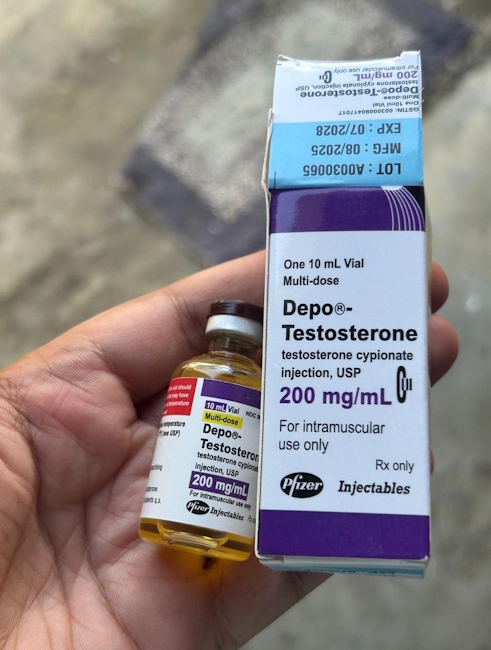
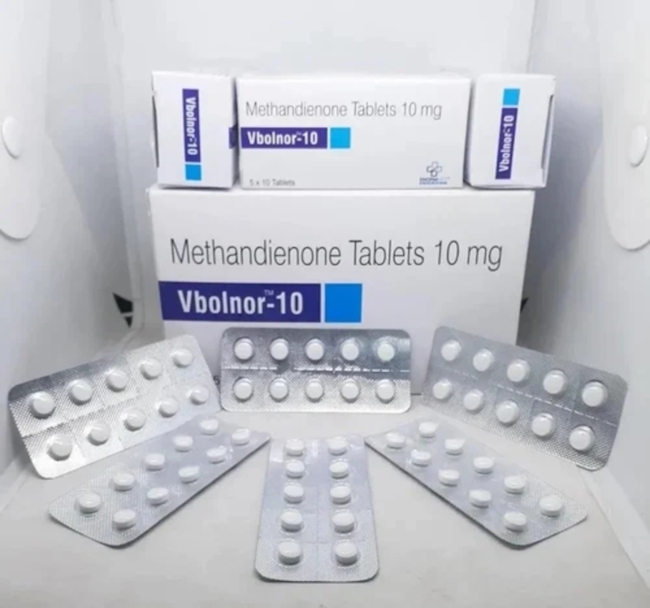
I do not use underground products. To be clear, we buy the testosterone from pharmacies (Pfizer), while the Metan comes from Balkan Pharmaceuticals (Moldova), one of the best-known official state-licensed manufacturers in Eastern Europe, with an official pharmaceutical license to produce Danabol. In the 1980s, the FDA (U.S. Food and Drug Administration) withdrew approval for methandienone use. The photo above shows a product from Enormmed Pharma (India).
Support Protocol and Lab-Marker Adjustments
The use of 17-alpha-alkylated oral steroids can cause reactive cholestasis and elevated liver transaminases (ALT, AST) and GGT.
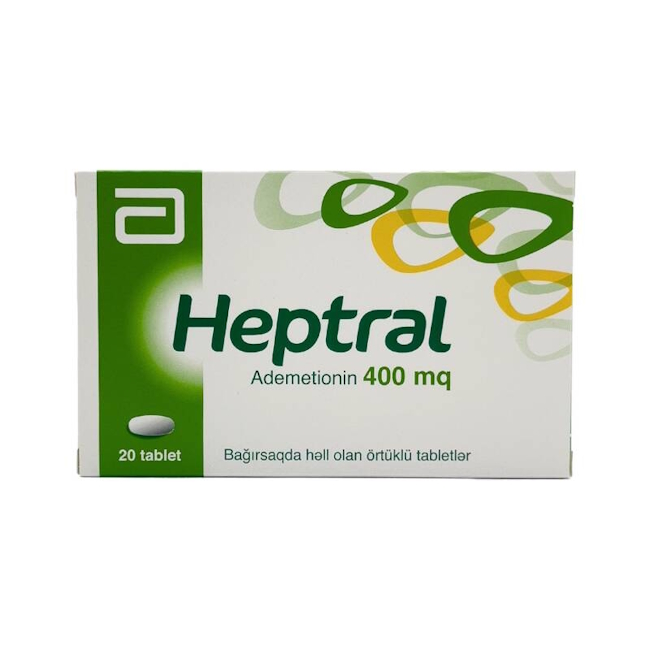
When laboratory testing shows a consistent rise in these enzymes, injectable S-adenosylmethionine (Heptral) is indicated. The protocol calls for 400–800 mg administered by intramuscular injection or slow intravenous infusion daily or 3–4 times per week for 10–14 days. Heptral restores glutathione levels, improves hepatocyte membrane fluidity, and supports the liver’s detoxification function.
An increase in hematocrit and red blood cell count under the influence of testosterone raises blood viscosity and places additional strain on the cardiovascular system.
To prevent platelet hyperaggregation, Cardiomagnyl is used at a dose of 75–150 mg per day before bedtime; the combination of acetylsalicylic acid and magnesium hydroxide is intended to reduce the risk of gastrointestinal mucosal irritation. The direct functional equivalent of Cardiomagnyl in the U.S. market is Low-Dose Aspirin (including Bayer Low Dose 81 mg) or buffered enteric-coated aspirin (Enteric Coated Aspirin 81 mg).
Oral androgens suppress high-density lipoprotein (HDL) production and increase low-density lipoprotein (LDL) levels by activating hepatic triglyceride lipase.
To support endothelial function and correct the atherogenic index, concentrated Omega-3 (non-oxidized, original product, not sourced from online marketplaces) is used at a dose of 1 gram of pure polyunsaturated fatty acids (EPA/DHA) per day. It is critically important to use raw material with a low total oxidation value (TOTOX), because oxidized fats can increase systemic inflammation instead of reducing it.
Metabolic and antioxidant support is completed with alpha-lipoic acid (ALA) at a total daily dose of 1200 mg, divided into two 600 mg doses taken 30 minutes before meals.
ALA is a versatile fat- and water-soluble antioxidant. It reduces oxidative stress in liver tissue, increases insulin sensitivity in muscle cells, and improves glucose utilization. This supports more efficient nutrient transport into muscle cells and protects mitochondrial function during intense physical training.
Improving the Cycle and Adding a Third Component
Beginners often ask me what can be added to a testosterone-plus-methan cycle while keeping side effects to a minimum and simply increasing the overall effect. For example, can SARMs be added?
SARMs should not be added to this cycle. In other words, adding compounds such as RAD-140 or YK-11 to a stack containing 750 mg of testosterone and 50 mg of methandienone is pharmacologically irrational.
RAD-140 (20 mg) has a high affinity for androgen receptors, but against a high concentration of exogenous testosterone it would mainly compete for the same receptor system, without producing a noticeable increase in anabolism while further worsening the lipid profile by suppressing HDL.
YK-11 is known for inhibiting myostatin through follistatin expression, but structurally it is still a methylated steroid derivative. Adding a second hepatotoxic oral compound on top of 40 mg of methandienone would create excessive liver stress, including sharp ALT/AST elevations and cholestasis, potentially forcing the oral phase to be stopped early and eliminating the potential benefit.
For a meaningful enhancement of this type of cycle during professional training, it is more appropriate to use drugs with different mechanisms of action that do not place additional stress on the liver.
The most effective option would be to add recombinant growth hormone (GH) at 4–6 IU per day: it would create a synergistic boost in IGF-1, accelerate recovery of the connective-tissue system under heavy loads, and increase lipolysis without competing for androgen receptors.
From an androgenic standpoint, rather than using an oral SARM, it would make more sense to add injectable nandrolone decanoate (400 mg per week) for maximum nitrogen retention and hypertrophy, or Primobolan/Masteron (400–600 mg per week) to reduce SHBG levels, provide mild control of estrogen-related effects, and increase the density of newly gained mass.
It should be noted that we have not covered the side effects and support measures for the cycle beyond the two components described above. In other words, adding drugs to the cycle requires the support protocol to be reassessed (cycle support).
Dmitry Volkov – is the author of our bodybuilding section is a practicing sports medicine physician based in Dallas, Texas, with 21 years of hands‑on experience in sports pharmacology. At 42, he combines deep academic knowledge with real‑world expertise gained from coaching athletes of all levels — from amateurs to seasoned competitors. He earned his medical degree from a leading Texas institution and spent years working in sports medicine clinics and private practice.
His primary focus is hormonal regulation of muscle growth, the use of anabolic steroids and peptides, and post‑cycle recovery. He understands modern protocols inside out because he consults real people every day, helping them avoid side effects and achieve safe results. His approach is rooted in evidence‑based medicine, yet remains grounded in the realities of both amateur and professional sports.
In his articles, he aims to debunk myths and deliver clear, scientifically sound recommendations. Every piece of content is vetted not only by medical knowledge but also by years of clinical observation. He firmly believes that responsible pharmacology requires a solid grasp of biochemistry, respect for one’s body, and regular medical monitoring — and he works hard to convey these principles in a way that is both accessible and actionable for his readers.