Wondering how specialized supplements and anabolic steroids affect the development of explosive strength? We will break down the exact mechanisms of action behind heavy-hitting compounds like mibolerone, halotestin, and tri-tren from a scientific perspective. This material will help you understand the hidden biochemical processes in the body that force the nervous system and muscle fibers to work far beyond their natural limits.
When some talkers start running their mouths about extreme strength and AAS, their knowledge usually stops at trenbolone, even though in reality there are compounds with vastly more powerful and pronounced androgenic and anabolic effects.
When we watch an Olympic weightlifter or a powerlifter pull a superhuman weight, it’s easy to assume the secret lies entirely in the size of their muscles. In reality, absolute strength depends on how efficiently the brain controls those muscles.
Think of your muscles as a choir and your nervous system as the conductor. Under normal conditions, the conductor never allows all the singers to scream at the top of their lungs at the same time to prevent them from blowing out their voices. Strength-specific compounds temporarily “hack” the body’s natural self-preservation instinct. They act as a ruthless conductor that forces every single muscle fiber to contract simultaneously at maximum speed. This is exactly why athletes can skyrocket their numbers on the bar without blowing up their weight class.
To fully understand how pharmacology impacts the body, we can break down a few primary pathways through which these compounds increase strength metrics. These changes alter both the physiology and the psychology of an athlete:
Activation of the central nervous system (CNS), radically lowering the sensitivity threshold for pain and fatigue.
Increasing the density of contractile elements inside the muscle cell without holding excess water or shifting weight classes.
Accelerating the synthesis of creatine phosphate, which serves as the primary fuel source for muscle contractions during the first, heaviest seconds of a working set.
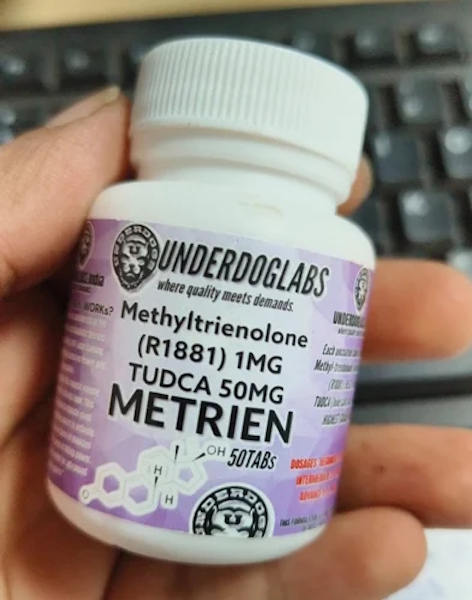
Methyltrienolone (Metribolone)
Methyltrienolone (also known as Metribolone or R1881) is rightfully considered one of the most powerful and harsh oral steroids in the entire history of sports pharmacology. As a structural derivative of trenbolone, this compound beats out its injectable counterpart by roughly three times in anabolic activity and nearly four times in androgenic potency. Due to its 17-alpha-alkylated structure, the molecule passes straight through the liver without being destroyed, ensuring 100% bioavailability while simultaneously making it extremely hepatotoxic. The substance is completely immune to aromatization and does not convert into estrogen, meaning that strength gains occur with zero water retention, delivering an incredibly dense and “cast-iron” look to the musculature.
The intracellular mechanism of action for metribolone comes down to its phenomenal affinity for androgen receptors (AR), binding to them more tightly than any other known anabolic agent. Once inside the myocytes, the compound triggers a massive transcription of genes responsible for synthesizing structural muscle elements; however, its primary impact on strength is highly urgent. Methyltrienolone sharply accelerates the re-synthesis of creatine phosphate and optimizes anaerobic glycogen utilization. This allows muscle fibers to generate a colossal volume of ATP during the opening seconds of peak load, giving the athlete that exact explosive, destructive power needed to smash critical weights on the platform.
At the nervous system level, the compound operates as an incredibly potent stimulant for both central and peripheral contraction mechanisms. Metribolone instantly heightens motor neuron sensitivity and spikes the frequency of impulses traveling from the cerebral cortex to the working muscle groups. Under its influence, the sarcoplasmic reticulum releases record amounts of calcium ions, which lock actin and myosin filaments together tightly, forcing even those muscle bundles that usually sit in reserve to contract. This massive neural drive and aggressive motor unit recruitment yield a monumental jump in strength, but require extreme caution, as the drug literally squeezes the absolute maximum out of the liver and nervous system in the shortest possible timeframe.
Mibolerone
Mibolerone (Mibolerone Cheque Drops), originally developed for veterinary purposes, is notorious in the athletic community as one of the most aggressive androgens for lightning-fast strength spikes. This compound is not used for packing on muscle mass, as its structural traits make long cycles impossible. Its primary niche is pre-workout or pre-competition use right before stepping onto the platform or into the ring, when an athlete requires maximum focus, animalistic fury, and an instant dump of explosive energy.
Its impact on strength stems from a colossal effect on the athlete’s central nervous system. Mibolerone possesses an incredibly high affinity for androgen receptors, but its real magic happens directly in the brain. The compound rapidly crosses the blood-brain barrier and triggers a sharp surge of catecholamines—dopamine, adrenaline, and noradrenaline. This induces a state of controlled aggression, forcing the nervous system to fire ultra-powerful electrical impulses.
From a scientific standpoint, this neurochemical shift sharply mitigates central fatigue and recruits high-threshold, fast-twitch motor units. Under normal conditions, the body blocks access to these units to protect the tendons from tearing. Mibolerone biochemically deactivates the protective Golgi tendon organ, allowing motor neurons to transmit action potentials at maximum frequency. As a result, muscle fibers recruit synchronously, delivering a phenomenal explosion of power without changing the physical size of the muscle.
In practice, it is most commonly used as an oil-based solution dropped under the tongue.
P.S. Good luck finding it anywhere in the CIS region—you won’t, or it will be a flat-out fake.
Halotestin (Fluoxymesterone)
Halotestin (Fluoxymesterone) is an oral compound that has earned a reputation as the number-one tool for strength athletes who find it critical to stay locked into their current weight class. Due to the specifics of its molecular structure, it is entirely immune to aromatization, meaning it never converts to estrogen or holds extracellular water. Visually, it makes the musculature exceptionally hard, but its true, primary value lies in pure strength potential.
The substance fundamentally alters blood biochemistry and intracellular metabolism. It stimulates erythropoiesis—the production of red blood cells—which substantially improves oxygen transport in tissues. However, for a short, explosive burst of effort, it is far more critical that fluoxymesterone actively interferes with the muscle cell’s ion channels. It optimizes ATP (adenosine triphosphate) utilization, allowing muscles to restore their energy potential between heavy sets in a matter of seconds.
At the molecular level, the strength gains from halotestin are explained by the structural densification of contractile proteins. Intense binding with receptors inside the muscle tissue stimulates the rigidity of myofibrils—the actin and myosin filaments. Furthermore, the drug accelerates action potential conductivity along the axons of motor nerves. This means the command from the brain reaches the muscle faster, and the volume of calcium ions released to lock the protein filaments together multiplies, drastically increasing the velocity and force of the muscle contraction.
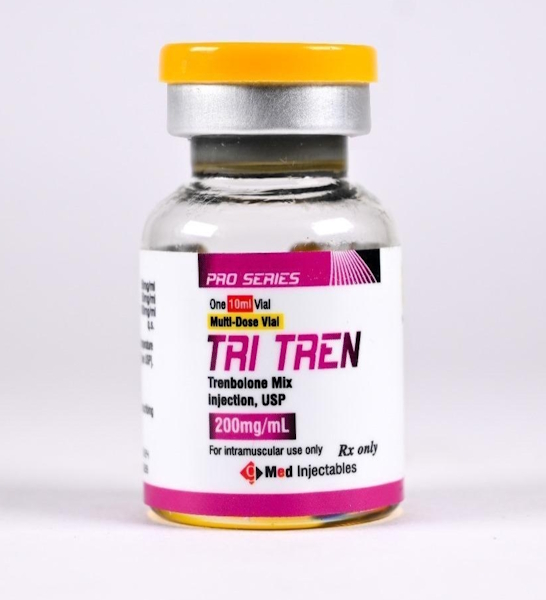
Tri-Tren (Trenbolone Ester Blend)
Tri-Tren is a heavy-hitting injectable blend consisting of three different trenbolone esters: acetate, enanthate, and hexahydrobenzylcarbonate. This combination allows the compound to kick in almost immediately after entering the body while maintaining a consistently high hormonal baseline over a long duration. Unlike mibolerone and halotestin, trenbolone is fully capable of packing on massive size, but its impact on absolute and explosive strength builds on entirely different mechanisms.
The secret of the drug lies in its capacity to radically alter how tissues hormonally respond to stress while boosting the local production of insulin-like growth factor 1 (IGF-1). The substance forces the body to utilize incoming nutrients exclusively for protein synthesis and replenishing energy stores. Trenbolone stimulates satellite cell division, creating new nuclei within the muscle fiber that carry powerful additional strength potential.
Biochemical science explains the strength phenomenon of Tri-Tren through its powerful anti-catabolic action combined with mineral balance. Trenbolone possesses a unique ability to bind tightly to glucocorticoid receptors, acting as a fierce antagonist to cortisol—the body’s primary stress hormone. By blocking these receptors, the drug prevents muscles from breaking down under the stress of extreme working weights. Simultaneously, trenbolone hyper-stimulates the release of calcium ions from the sarcoplasmic reticulum. The more calcium released during a nerve impulse, the tighter the molecules lock within the fiber, generating a monstrous amount of overcoming force.
To summarize the big picture of this biochemical impact, it is important to look at the exact step-by-step sequence of how a pharmacologically altered body generates explosive effort at the cellular level. This process consists of the following strict phases:
Formation of an ultra-powerful action potential in the motor cortex of the brain due to an excess of neurotransmitters and catecholamines.
Instantaneous transmission of the electrical impulse down the spinal cord to the peripheral nervous system with zero loss to inhibitory signals.
A massive dump of the neurotransmitter acetylcholine into the synaptic cleft of the neuromuscular junction.
A heavy release of calcium ions inside the muscle cell, triggering tight locking and cross-bridge cycling of contractile proteins.
Comparison Table
Для наглядного сравнения рассмотренных веществ и их ключевых характеристик в контексте силовых видов спорта, можно обратиться к следующей систематизированной таблице:
Extreme CNS stimulation, explosive aggression, and an instant adrenaline dump. Short duration of action.
Halotestin
1,900% of testosterone
850% of testosterone
Accelerated nerve impulse conductivity, rigidity, and physical density of myofibrils.
Tri-Tren (Trenbolone)
500% of testosterone
500% of testosterone
Powerful blocking of cortisol receptors (anti-catabolism) and hyper-secretion of calcium ions in muscle cells.
Methyltrienolone (Metribolone)
12,000% – 30,000% of testosterone
6,000% – 7,000% of testosterone
Unprecedented affinity for androgen receptors, total protein synthesis, and savage nervous system stimulation.
Have I used all of this in my own practice? Yes, I have used them and prescribed them.
To evaluate the potential gain in strength metrics on exercises like the bench press, one must remember that the body’s response is strictly individual and hinges on genetic feedback, training age, and nutritional quality.
Below are my averaged observations of performance shifts for an athlete with a baseline performance of 221 lbs (100 kg) for 12 reps (which equates to roughly a 309 lbs (140 kg) one-rep max).
Mibolerone
Expected Outcome: 145–150 kg for 1 rep, or 110–115 kg for 8–10 reps.
The Why: The drug yields a sharp spike in aggression and neuromuscular transmission, allowing the lifter to blast through plateaus by moving heavier iron, though its short half-life limits high-volume training.
Halotestin
Expected Outcome: 145–155 kg for 1 rep, while the number of reps with a 100 kg working weight might not see a major increase.
The Why: It critically increases myofibrillar density and fires up the CNS, granting a massive boost to a single-rep max, but yields almost zero muscle mass to improve endurance.
Tri-Tren (Trenbolone)
Expected Outcome: 100 kg for 18–20 reps, with a one-rep max around 145 kg.
The Why: Thanks to its intense anti-catabolic effect and the hyper-secretion of calcium ions, the drug radically spikes strength endurance and the muscles’ ability to recover directly under load.
Methyltrienolone (Metribolone)
Expected Outcome: 155–165 kg for 1 rep, or 100 kg for 15+ reps (provided CNS control is maintained).
The Why: Driven by unprecedented receptor activation, this compound delivers the highest possible protein synthesis and explosive power pharmacology can offer, but it operates right on the edge of the nervous system’s breaking point, making its use highly risky.
Peptides and SARMs
So, do peptides and selective androgen receptor modulators (SARMs) explicitly designed to radically step up physical strength actually exist?
Let’s briefly break down the most effective compounds in this category, their mechanisms of action, and their biochemical impact on muscle fibers. This info will help you understand how modern synthetic compounds fire up the central nervous system and generate explosive power without relying on classic anabolic steroids.
To put it in plain English, peptides and SARMs are more modern, precise, and surgical tools for upgrading our body’s performance.
Think of classic gear from back in the day as a heavy sledgehammer that smashes the entire body at once, impacting both muscles and internal organs. SARMs, on the other hand, operate like a smart guidance system: they locate specific keyholes in the muscles or bones and order them to get stronger, all while trying to avoid breaking down your overall endocrine system. Peptides work a bit differently—they are simply short chains of amino acids that send a gentle signal telling the body to produce more of its own helpful growth factors. Both of these drug classes can significantly step up your ability to move heavy iron, but they do it in a craftier, more delicate way than traditional heavy pharmacology.
To understand exactly how this progress is achieved, it’s worth highlighting the core operating mechanisms of these modern chemical compounds. These specialized substances impact the body in the following ways:
They increase bone mineral density, establishing an incredibly rigid and reliable foundation for handling submaximal weights.
They accelerate the transmission of electrical nerve impulses from the spinal cord to the muscle fibers, making their contractions sharper and more synchronized.
They multiply the rate of microtrauma regeneration in joints, ligaments, and tendons between heavy training sessions.
The transformation of physical metrics under the influence of these substances doesn’t happen chaotically; it moves through several distinct physiological stages. The evolution of strength potential can be broken down into the following successive steps:
Gradual accumulation of the active compound in tissues and its primary binding to target cellular receptors.
Direct activation of the muscle fiber’s cell nucleus, launching enhanced synthesis of new contractile proteins.
Structural adaptation of the central nervous system to the increased volume of generated biomechanical energy.
To make it easier for you to navigate the diverse world of modern sports pharmacology, we have put together a clear comparison of the two drug classes in question. This table reflects their basic biochemical differences specifically through the lens of developing absolute strength metrics.
Feature
SARMs (SARMs)
Peptides
Core Operating Principle
Direct chemical stimulation of local androgen receptors.
Enhancing the natural production of the body’s own growth factors.
Impact on the Nervous System
Highly pronounced; delivers aggression and focus.
Practically non-existent; they work primarily on tissue recovery.
Speed of Strength Manifestation
Extremely rapid (initial results are noticeable within the first weeks).
Moderate (requires extended time for the systemic accumulation of the effect).
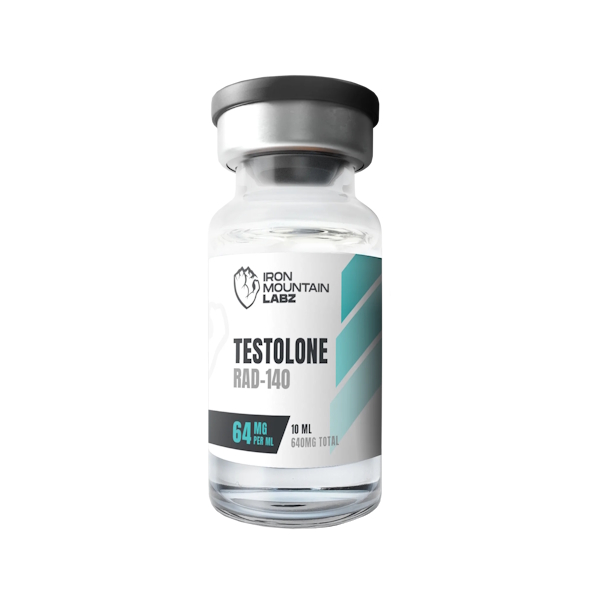
RAD-140 (Testolone)
RAD-140 is rightfully considered one of the most aggressive and potent selective modulators athletes deploy specifically to shatter strength plateaus. Initially, this substance was engineered in medical labs to combat muscle wasting and osteoporosis, but its ability to generate pure power quickly made it a staple in powerlifting. Unlike compounds that blow up the body with extracellular water, Testolone ensures lean, dense musculature, allowing an athlete to stay within their weight class while completely rewriting their working weights on the barbell.
From a scientific perspective, the incredible efficacy of RAD-140 is explained by its high affinity for androgen receptors located strictly in skeletal muscle and bone tissue. Upon entering the bloodstream, the drug’s molecule ignores receptors in the prostate and other internal organs, purposefully embedding itself into the structure of the muscle cell. Once there, the substance triggers massive nitrogen retention and forces the transcription of genes responsible for creating new myofibrils, making the muscle fibers physically thicker and more resistant to tearing under tension.
However, the main secret behind Testolone’s explosive strength is its powerful impact on the central nervous system, which closely mirrors the effect of classic dihydrotestosterone (DHT) derivatives. The compound actively stimulates neural connections, lowering the threshold for psychological and physical fatigue while amplifying the aggression of the motor drive. Thanks to this, the athlete’s brain gains the capacity to recruit those high-threshold fast-twitch muscle fibers that usually sit dormant, resulting in an instant jump in strength performance.
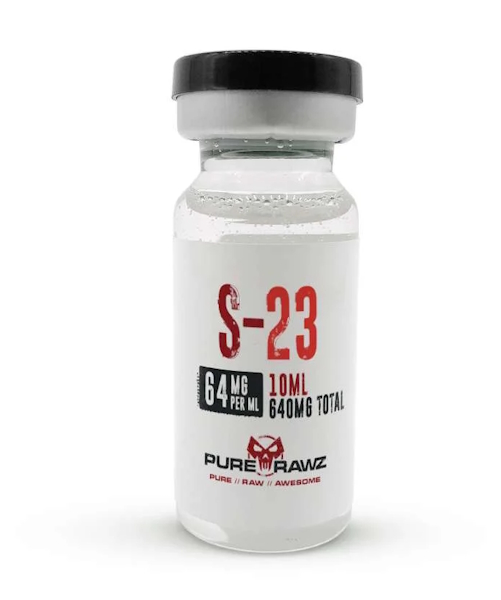
S-23
S-23 is a next-generation compound that many specialists call the absolute pinnacle of evolution within the class of selective androgen receptor modulators. This SARM was specifically synthesized to maximize muscle hardness and deliver phenomenal strength potential without converting into estrogen. Strength athletes implement it at the peak of contest prep because S-23 possesses the unique ability to literally “cement” muscles, making them visually dry yet incredibly functional and powerful.
At the core of S-23’s mechanism of action is its ability to bind to receptors with unprecedented strength, outperforming even some classic injectable gear. The substance fundamentally alters the architecture of muscle tissue: it stimulates fatty acid oxidation for energy while shielding protein structures from catabolic breakdown during brutal training loads. Additionally, the drug heavily increases bone mineralization, which is critical because increased muscle pull demands an ultra-strong skeletal framework to prevent fractures and micro-cracks.
The growth of absolute strength under S-23 is achieved by shifting the muscle fiber type efficiency in favor of fast-twitch elements. The compound optimizes the intracellular metabolism of ATP and creatine phosphate molecules, allowing the muscle to contract with maximum speed and power during the opening, most grueling seconds of a set. This chemical intervention makes every ounce of muscular effort highly efficient, allowing the athlete to break through critical sticking points in compound movements with an ease that was previously out of reach.
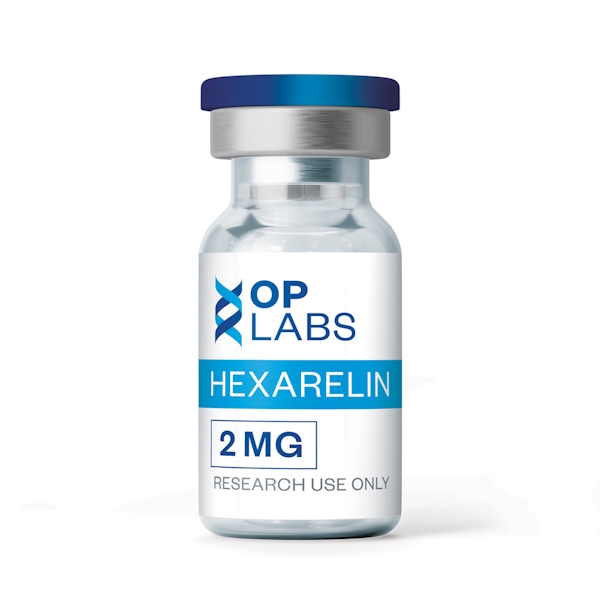
Hexarelin
Hexarelin stands out from the rest of the compounds because it isn’t a SARM, but rather a highly potent synthetic peptide from the group of growth hormone secretagogues. It is rarely used for building visual muscle mass, but among professionals, it is famous as the ultimate tool for reinforcing the entire musculoskeletal system and building raw, foundational strength. This peptide works indirectly: it doesn’t force muscles to grow directly, but instead creates a hormonal environment in the body where ligaments and tendons become capable of enduring colossal mechanical overloads.
The biochemical work of Hexarelin lies in its ability to directly mimic the action of the natural hormone ghrelin, binding tightly to its receptors in the pituitary gland and hypothalamus. This triggers the most powerful and abrupt spike of somatotropin (growth hormone) compared to any other existing peptide in this group. Following this, the liver begins producing massive amounts of insulin-like growth factor 1 (IGF-1). It is IGF-1 that initiates cellular hyperplasia—the physical creation of entirely new muscle cells—while stimulating hyperactive collagen synthesis.
The strength phenomenon of this peptide is rooted in a strict physiological rule: a muscle can only contract as strongly as the tendon attaching it to the bone allows. By thickening and strengthening the passive structures of connective tissue through new collagen production, Hexarelin removes the central nervous system’s natural limiters. The brain senses that the tendons have become as tough as steel cables and completely shuts off protective neural braking, allowing the muscle belly to generate maximum force without fear of a tear or severe injury.
Dmitry Volkov – is the author of our bodybuilding section is a practicing sports medicine physician based in Dallas, Texas, with 21 years of hands‑on experience in sports pharmacology. At 42, he combines deep academic knowledge with real‑world expertise gained from coaching athletes of all levels — from amateurs to seasoned competitors. He earned his medical degree from a leading Texas institution and spent years working in sports medicine clinics and private practice.
His primary focus is hormonal regulation of muscle growth, the use of anabolic steroids and peptides, and post‑cycle recovery. He understands modern protocols inside out because he consults real people every day, helping them avoid side effects and achieve safe results. His approach is rooted in evidence‑based medicine, yet remains grounded in the realities of both amateur and professional sports.
In his articles, he aims to debunk myths and deliver clear, scientifically sound recommendations. Every piece of content is vetted not only by medical knowledge but also by years of clinical observation. He firmly believes that responsible pharmacology requires a solid grasp of biochemistry, respect for one’s body, and regular medical monitoring — and he works hard to convey these principles in a way that is both accessible and actionable for his readers.