The close-grip bench press for triceps is a classic strength exercise used to build stronger arms and improve pressing power. It looks similar to the traditional bench press, but the narrower hand placement shifts most of the workload from the chest to the triceps. Because of this mechanical change, the movement is widely used in bodybuilding and powerlifting to increase triceps size and improve lockout strength in pressing movements.
When performed correctly, the close-grip bench press becomes one of the most effective compound exercises for developing triceps mass.
Close-Grip Bench Press for Triceps: Where the Exercise Comes From
The close-grip bench press developed as a variation of the traditional bench press in mid-20th-century strength training. Powerlifters realized that bringing the hands closer together dramatically increased triceps involvement during elbow extension. This helped strengthen the final portion of the bench press, where the triceps play a decisive role in locking out the weight.
Bodybuilders later adopted the movement because it allowed much heavier loading than most isolation exercises for the triceps. Unlike skull crushers or cable pushdowns, the close-grip bench press is a compound lift involving multiple joints and larger loads. For that reason, it quickly became one of the key exercises for building thicker, stronger triceps.
How to Perform the Close-Grip Bench Press on a Flat Bench
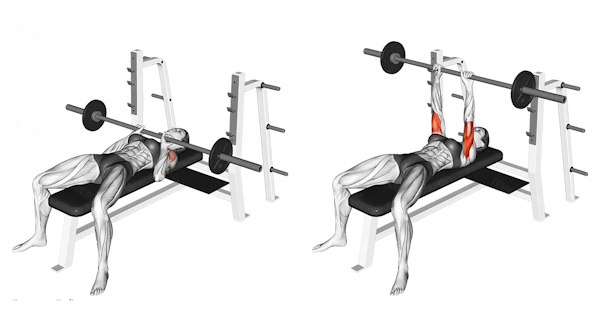
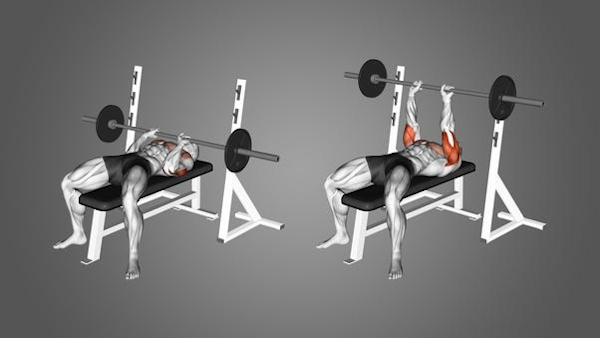
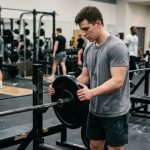
The exercise is performed on a flat bench because this position provides the most stable bar path and balanced force distribution. The bench should remain completely horizontal rather than inclined or declined. Your feet stay firmly planted on the floor, the shoulder blades are pulled together, and the lower back maintains a natural arch. This setup stabilizes the upper body and reduces stress on the shoulders.
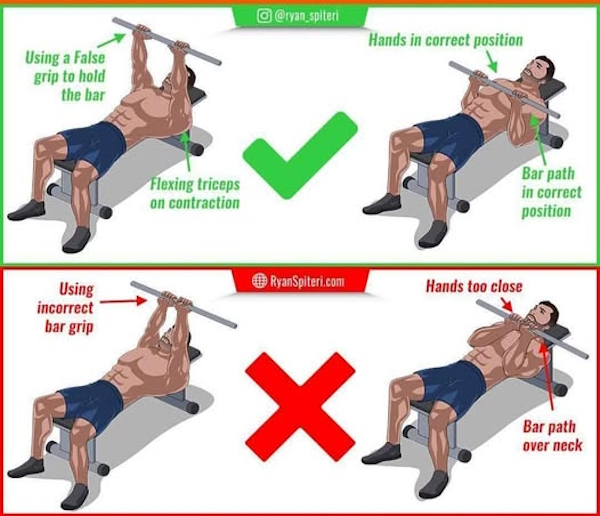
The grip should be narrower than a standard bench press but not excessively tight. A good starting point is roughly shoulder-width or slightly closer. The hands must be placed symmetrically on the bar, and the thumbs should always wrap around the bar for control and safety. Extremely narrow grips can overload the wrists and elbows.
The barbell is lowered not to the upper chest, as in a traditional bench press, but closer to the lower chest or the area around the sternum. The elbows stay tucked near the torso rather than flaring outward. This arm position maximizes triceps engagement while minimizing chest dominance in the movement. The descent should be controlled rather than allowing the bar to drop quickly.
The range of motion is usually close to full while maintaining tension in the triceps. At the bottom, the bar lightly touches or approaches the chest before the pressing phase begins. From there, the arms extend powerfully until the elbows are straight. The lockout should be controlled rather than snapping the elbows aggressively.
Muscles Worked in the Close-Grip Bench Press
The primary muscle responsible for the movement is the triceps brachii, which performs elbow extension. The long head and lateral head of the triceps are particularly active during the pressing phase. These muscle heads contribute most of the force needed to extend the arms and drive the bar upward.
Secondary muscles include the pectoralis major and the anterior deltoid. They assist with stabilization and contribute to the initial part of the press. However, the narrower hand position significantly reduces their dominance compared with a standard bench press, keeping the emphasis on the triceps.
Best Use in a Superset After Skull Crushers
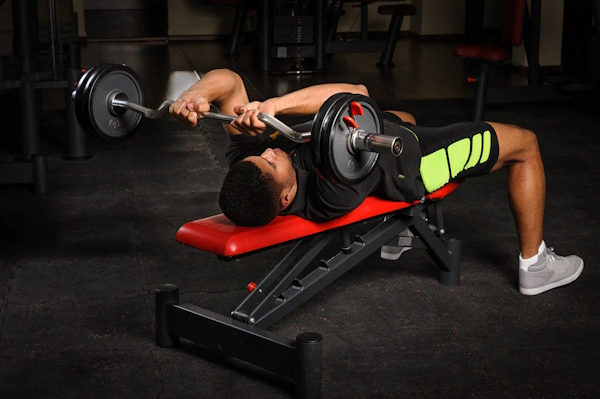
The close-grip bench press works especially well when paired with skull crushers in a superset. Skull crushers fatigue the triceps through a strict isolation movement involving elbow flexion and extension. Once the muscle is pre-exhausted, transitioning to a heavy compound movement places the triceps under greater mechanical load.
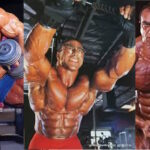
This approach was often used by professional bodybuilders in the 1990s, including Kevin Levrone:
The typical sequence involved performing skull crushers first to stretch and burn out the triceps, followed immediately by close-grip bench presses to finish the muscle with heavier resistance.
Combining isolation fatigue with compound loading increases both metabolic stress and mechanical tension, which can significantly enhance triceps development.
Dmitry Volkov – is the author of our bodybuilding section is a practicing sports medicine physician based in Dallas, Texas, with 21 years of hands‑on experience in sports pharmacology. At 42, he combines deep academic knowledge with real‑world expertise gained from coaching athletes of all levels — from amateurs to seasoned competitors. He earned his medical degree from a leading Texas institution and spent years working in sports medicine clinics and private practice.
His primary focus is hormonal regulation of muscle growth, the use of anabolic steroids and peptides, and post‑cycle recovery. He understands modern protocols inside out because he consults real people every day, helping them avoid side effects and achieve safe results. His approach is rooted in evidence‑based medicine, yet remains grounded in the realities of both amateur and professional sports.
In his articles, he aims to debunk myths and deliver clear, scientifically sound recommendations. Every piece of content is vetted not only by medical knowledge but also by years of clinical observation. He firmly believes that responsible pharmacology requires a solid grasp of biochemistry, respect for one’s body, and regular medical monitoring — and he works hard to convey these principles in a way that is both accessible and actionable for his readers.