Choosing between N-acetylcysteine (NAC) and glutathione directly impacts the strength of your antioxidant defenses, liver detox, and cellular immune recovery. Understanding the biochemical differences between these supplements helps you select the right option whether you need everyday wellness support or heavy-duty toxic cleanup.
Here, I’ve broken down effective dosages, form-specific bioavailability, and targeted protocols for both nutrients to help you achieve optimal therapeutic outcomes.
N-Acetylcysteine: Uses and Dosage Guidelines
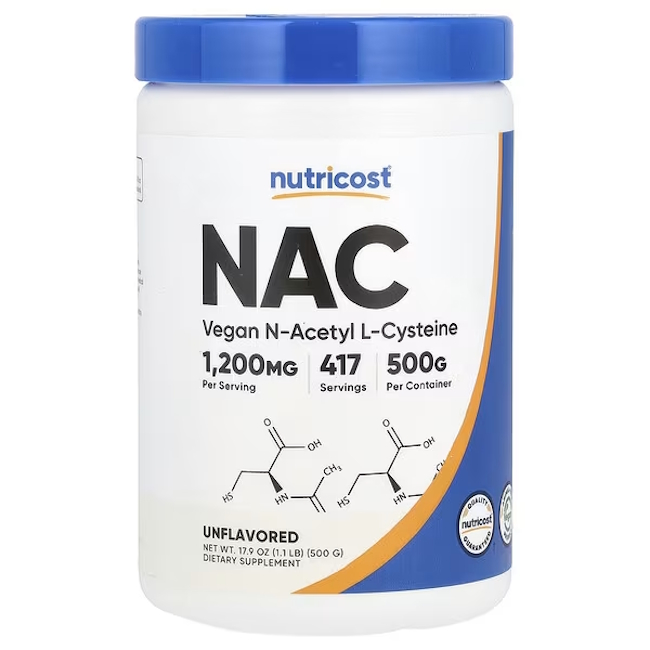
N-acetylcysteine serves as a critical precursor that your body relies on to synthesize its own endogenous glutathione within cells.
Its primary therapeutic uses include managing respiratory conditions by thinning thick mucus, treating acute toxic states, and safeguarding liver cells against structural damage. Thanks to its remarkable stability and superior GI absorption, NAC is a versatile staple for systemic antioxidant therapy.
Therapeutic NAC dosages vary based on your personal physiological needs and overall health status. For routine immune maintenance and mild mucolytic benefits, standard dosing ranges from 600 to 1,200 mg daily, split into two doses taken with meals. When treating severe liver distress, acute infections, or withdrawal symptoms, daily intake may be increased to 1,800–2,400 mg; however, higher doses require caution due to potential stomach lining irritation.
NAC holds particular value in sports pharmacology, serving as a primary liver protectant during anabolic-androgenic steroid (AAS) cycles. Oral 17-alpha-alkylated steroids exert massive toxic pressure, triggering cholestasis and cell membrane destruction. Using NAC during heavy cycles addresses several critical needs:
-
Neutralizing oxidative stress in liver tissues and rapidly lowering transaminase levels (ALT and AST).
-
Preventing dangerous bile thickening and supporting healthy bile flow through the biliary tract.
-
Accelerating the clearance of toxic pharmacological metabolites by directly stimulating Phase II liver detoxification.
-
Consistent use of this precursor during gear cycles not only shields internal organs from breakdown, but also indirectly supports muscle building by reducing markers of systemic inflammation.
It is crucial to note that NAC functions purely as a building block, supplying your liver with the raw materials needed to repair itself naturally—making it the most physiologically sound detox process.
NAC Dosages:
-
NAC (powdered) during heavy AAS cycles: 2,400 mg. Split this total into 2–3 doses with meals to maintain continuous liver protection and avoid stomach irritation.
-
NAC (powdered) for anti-aging and prevention: 1,200 mg. Taking 1–2 doses daily is more than enough to sustain steady endogenous glutathione production.
Glutathione: Benefits, Functions, and Therapeutic Uses
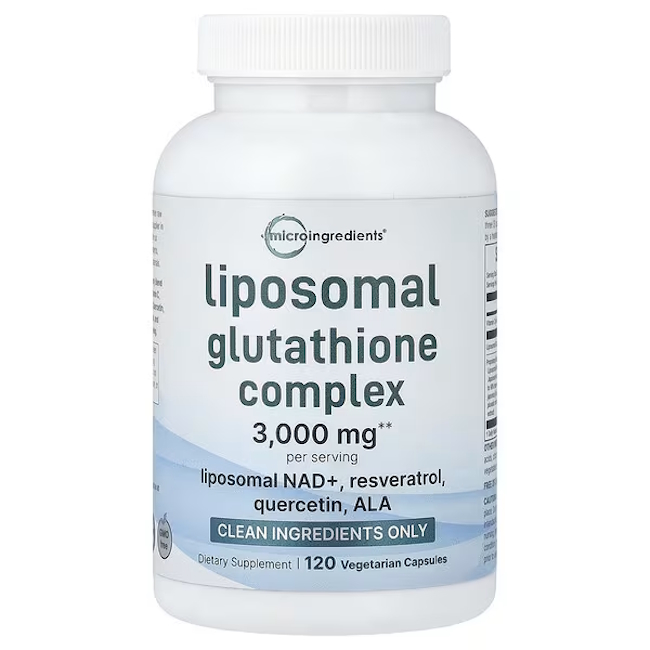
Glutathione is the body’s primary endogenous antioxidant, composed of three essential amino acids: cysteine, glycine, and glutamic acid.
Unlike NAC, which merely triggers production of this potent tripeptide, direct oral or IV glutathione administration delivers the active compound straight into systemic circulation. This becomes critical when endogenous liver synthesis is severely compromised by aging, chronic illness, or extreme stress.
Taking ready-made glutathione is intended for situations requiring fast, aggressive intervention in disrupted redox processes. Clinical and anti-aging medicine prioritize this tripeptide for key applications:
-
Rapidly suppressing destructive systemic oxidative stress in autoimmune and neurodegenerative conditions.
-
Lightening hyperpigmentation and improving skin firmness by blocking tyrosinase enzyme activity in aesthetic cosmetics.
-
Restoring mitochondrial function quickly to boost baseline energy levels in chronic fatigue syndrome.
Exogenous glutathione bypasses hepatic enzymatic bottlenecks, which often fail during severe liver trauma when the organ can no longer synthesize its own antioxidants—even with excess NAC on hand. This mechanism makes direct glutathione the top choice for patients with advanced cirrhosis, acute viral hepatitis, or those undergoing aggressive medical treatments. Active tripeptide molecules instantly bind free radicals and heavy metals, converting them into safe, water-soluble compounds for kidney excretion.
Despite its immense therapeutic potential, standard oral glutathione historically suffered from notoriously low bioavailability because gastric juices rapidly break down fragile peptide bonds. Consequently, achieving meaningful therapeutic targets previously required IV drips to guarantee full systemic delivery.
Modern bioengineering now offers advanced oral delivery systems designed to withstand the GI tract and keep the molecule intact until it reaches the cell.
Glutathione Dosages:
-
Liposomal Glutathione: 500 mg. Thanks to near-100% cellular bioavailability, this dose is sufficient for potent anti-aging benefits and skin brightening.
-
Reduced Glutathione: 1,000 mg. Requires significantly higher dosing because stomach acid inevitably destroys up to 85–90% of the fragile peptide.
Supplement Synergy and Stacking Rules
N-acetylcysteine synergizes exceptionally well with Vitamin C and selenium, both of which serve as mandatory cofactors in intracellular glutathione synthesis. Pairing NAC with ascorbic acid prevents cysteine oxidation and minimizes kidney stone risk, while selenium is indispensable for activating the glutathione peroxidase enzyme.
During AAS cycles or for managing fatty liver disease, NAC stacks perfectly with ursodeoxycholic acid (UDCA) and silymarin to form a gold-standard liver protection protocol.
Pre-formed glutathione requires a completely different stacking approach because its main weakness is rapid deactivation after neutralizing free radicals. To continuously recycle oxidized glutathione back into its active state, it must be paired with alpha-lipoic acid (ALA) and fat-soluble Vitamin E. Alpha-lipoic acid acts as a universal regenerator, vastly extending glutathione’s cellular lifespan while protecting neural tissue from glycation.
Combining NAC and exogenous glutathione delivers an uncompromising 1-2 punch strategy widely utilized in biohacking and intensive detox protocols.
The core logic behind this stack is immediate emergency control: pre-formed glutathione instantly extinguishes acute oxidative fires and cools down inflammation. Meanwhile, N-acetylcysteine builds up inside hepatocytes, creating a robust reservoir for sustained endogenous production long after the exogenous supplement has been cleared.
This dual-action protocol eliminates antioxidant coverage gaps throughout the day, establishing an uninterrupted biochemical shield. The table below outlines the pharmacological compatibility and biological impact of pairing key cofactors with these nutrients.
| Cofactor / Nutrient | Compatibility with NAC | Compatibility with Glutathione | Physiological Impact of the Stack |
| Ascorbic Acid (Vitamin C) | High (protects raw material) | Maximum (recycling support) | Maintains molecular stability |
| Alpha-Lipoic Acid (ALA) | Moderate | Gold Standard Synergy | Restores oxidized peptide |
| Selenium (L-Selenomethionine) | Maximum (catalyst) | Moderate | Triggers enzymatic cellular cleanup |
Stacking NAC and Glutathione
Taking N-acetylcysteine and liposomal glutathione together over several months creates a powerful synergistic effect for systemic rejuvenation and deep tissue regeneration.
- The liposomal form rapidly floods the bloodstream with active tripeptides to neutralize free radicals, repair damaged mitochondria, and inhibit tyrosinase. This translates visually into improved skin elasticity, smoother fine lines, and visible reduction of age spots.
- Simultaneously, NAC acts as a continuous amino acid supplier at the cellular level, driving endogenous production so internal liver reserves never dry up under oxidative stress.
This dual-action strategy effectively suppresses chronic systemic inflammation (inflammaging) and collagen glycation, turning your supplement protocol into a comprehensive anti-aging regimen that restores tissue density and cellular energy.
Liposomal vs. Reduced Glutathione
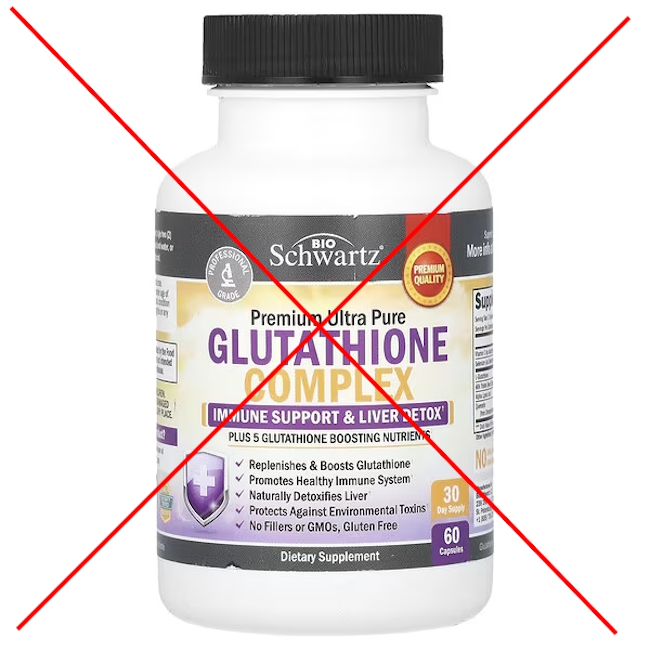
Standard oxidized or unstabilized glutathione gets almost entirely destroyed in the digestive tract by stomach acid and peptidases. Without specialized liposomal encapsulation or a reduced molecular state, fragile peptide bonds break down into basic amino acids long before reaching the bloodstream.
As a result, your body merely receives expensive amino acid raw materials instead of a therapeutically active antioxidant, dropping its bioavailability and clinical utility to zero.
How do you avoid this? Simply buy the right form.
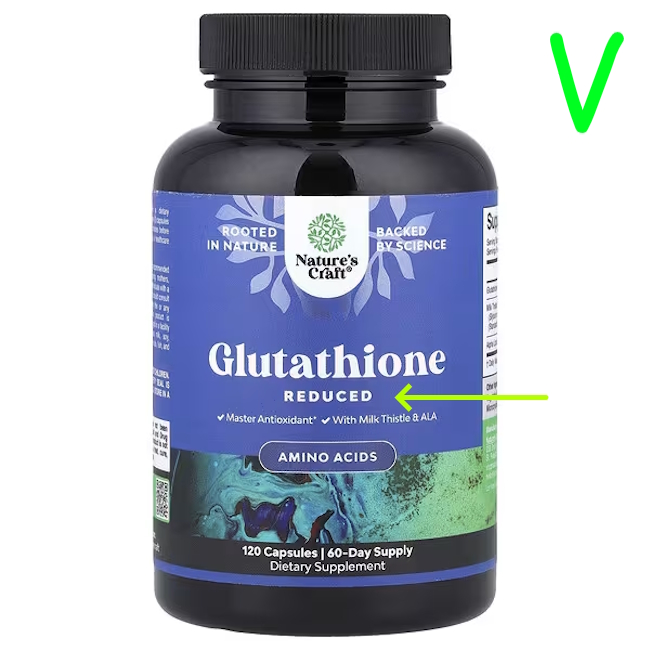
In modern nutraceuticals, glutathione comes in two main functional options, starting with traditional L-Glutathione Reduced. This form contains a free, unoxidized molecule ready to react with toxins. However, its major drawback is extreme vulnerability to stomach acid: only 10–15% reaches systemic circulation, requiring daily doses between 500 and 1,000 mg to see noticeable results.
Liposomal glutathione revolutionized oral therapy by solving GI degradation once and for all. This innovative form encapsulates the active compound inside microscopic phospholipid spheres—liposomes—that mimic human cell membranes. This protective shell glides through harsh gastric acid and absorbs directly in the small intestine, achieving 100% intracellular delivery comparable to IV therapy.
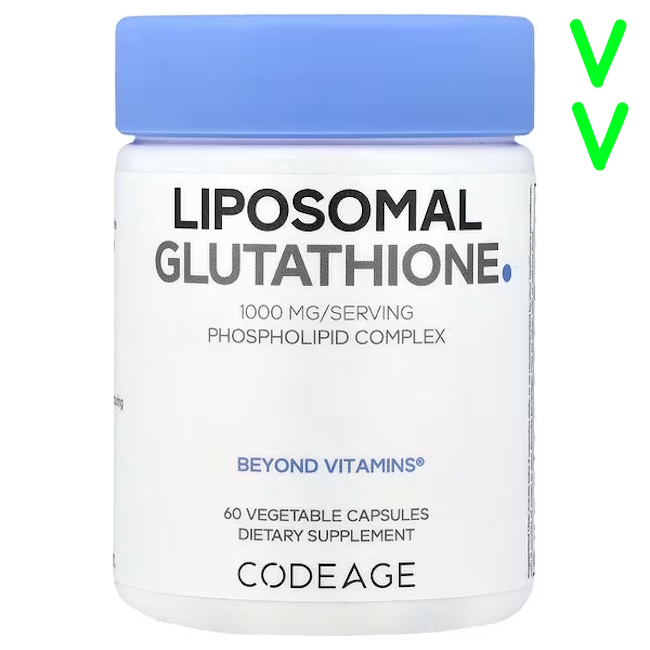
Therapeutic results from liposomal glutathione appear significantly faster and prove far more pronounced: clearer skin, increased physical stamina, and rapid normalization of liver enzymes. While Reduced glutathione remains a budget-friendly option for localized gut support, liposomal technology is the definitive choice for athletes and longevity enthusiasts seeking maximum bioavailability without IV drips.
Bottom Line & Recommendations
Choosing between N-acetylcysteine and glutathione depends on your current health status, personal goals, and liver enzyme capacity.
NAC remains the gold standard for daily detox support, mucolytic therapy, and essential liver protection during heavy compound cycles. It is an affordable, high-performing precursor ideal for individuals whose liver function remains intact and capable of generating internal antioxidants when supplied with quality amino acids.
Glutathione, on the other hand, is the heavy hitter for acute cellular repair, severe health challenges, and aggressive anti-aging intervention. In an optimal wellness protocol, these nutrients are not mutually exclusive—combining them strategically allows ready-made glutathione to halt acute oxidative stress immediately, while NAC builds a durable foundation for long-term liver self-defense.

Welcome to Poznayu.com!
My name is Alex, and I founded this project together with a team of like-minded professionals. At Poznayu.com, we create in-depth reviews, explore fascinating facts, and share well-researched, reliable knowledge that helps you navigate complex topics with confidence.
Our mission is simple: to explain complicated ideas in clear, accessible language. We believe that high-quality information should be available to everyone. Every article we publish is designed to provide practical value, actionable insights, and trustworthy analysis you can rely on.
Join our growing community of curious readers. Your feedback matters — share your thoughts in the comments, ask questions, and suggest topics you’d like us to cover next.