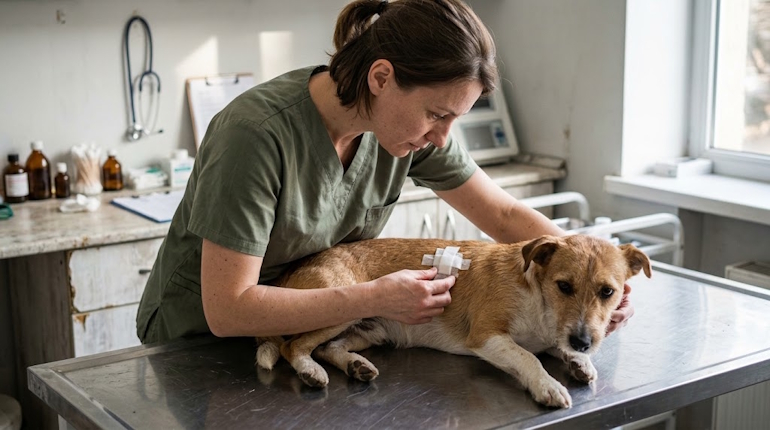
The return of New World Screwworm to the United States after more than half a century has become a serious challenge for pet owners.
A sudden outbreak of this parasitic infestation in the southern U.S. has already led to strict quarantine measures, restrictions on transporting dogs and cats, and a severe shortage of space in animal shelters.
Understanding how transmission occurs, recognizing the first warning signs, and following strict preventive measures can help protect your pet’s health and life as the biological threat continues to grow.
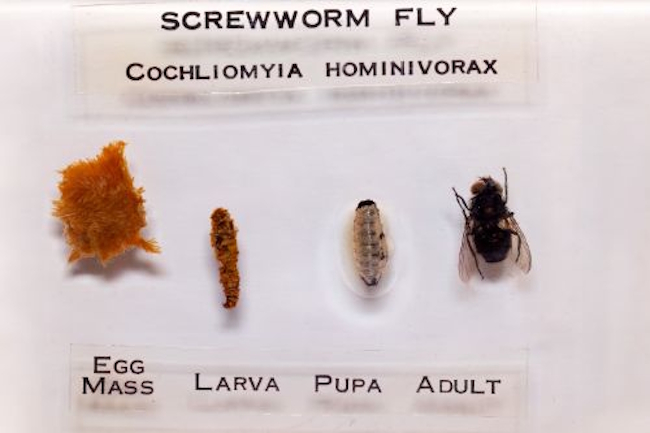
The name comes from the fact that the larvae of these flies feed exclusively on the flesh (meat) of animals and humans. In New World Screwworm infestations, the larvae burrow into wounds and literally consume living muscle tissue from the inside.
The Return of the Parasite and Less Obvious Ways Pets Can Become Infested
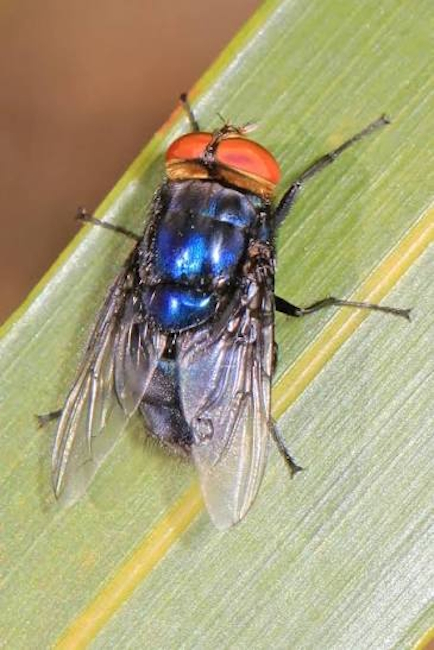
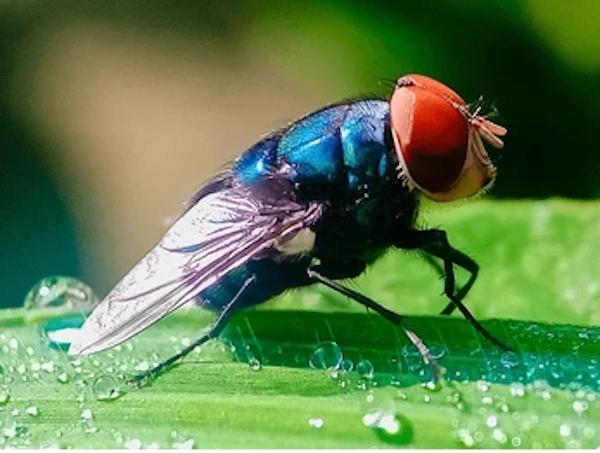
In simple terms, for people without a veterinary background, New World Screwworm Fly (Cochliomyia hominivorax) is an aggressive insect that feeds on living flesh.
Unlike common flies, which are attracted to spoiled food or carrion, this species targets only living warm-blooded animals. The parasite searches the host’s body for fresh open wounds, scratches, or tick-bite sites where it can lay eggs. The hungry larvae then hatch rapidly. Nearly sixty years ago, U.S. authorities eradicated this threat through insect sterilization, but recent outbreaks in Texas have shown that the parasite has returned, raising serious concerns among animal welfare advocates.
Dogs and cats are extremely vulnerable to this infestation because their normal behavior constantly exposes them to minor skin injuries. The insect needs only the smallest break in the skin: a scratched flea bite, an abrasion on a paw after active play, inflammation where a parasite was removed, or simply the moist mucous membrane around the eyes. An infected fly can land on a vulnerable area for only a few seconds and leave several hundred eggs behind. Within 12–24 hours, larvae emerge and release specific enzymes that literally dissolve the surrounding healthy tissues, making it easier for them to feed.
One particularly dangerous misconception is that cats and dogs that never leave the home are completely safe.
In reality, the parasite can enter living spaces through open windows without screens, gaps around exterior doors, or ventilation shafts. If a strictly indoor cat accidentally scratches itself while grooming and the dangerous insect happens to enter the room, the risk of developing severe myiasis (parasitic infestation) becomes one hundred percent.
The animal’s geographic location does not matter—the only issue is whether the fly can reach a fresh wound.
Its presence in the United States does not guarantee complete safety elsewhere: international air travel, the transportation of animals and cargo, and other movement of goods always create a risk of accidentally introducing the parasite. However, strict veterinary controls and the climate in most regions of the Europe substantially reduce the likelihood of its spread.
Recognizing Symptoms and Taking Emergency Action When a Threat Is Found
Early diagnosis is particularly difficult because the initial stage can look like an ordinary skin injury that simply fails to heal.
Responsible pet owners should first watch for sudden changes in their pet’s normal behavior. A dog or cat may become lethargic, completely lose interest in favorite foods, whine constantly from discomfort, hide in dark, cool areas, or repeatedly lick the same spot on its body.
As the parasites continue to grow, the clinical picture rapidly worsens and the physical symptoms become obvious. The affected area may begin producing large amounts of serous fluid or thick pus with a sharp, distinctly putrid odor. The wound itself can enlarge quickly, changing from a flat scratch into a deep pocket within the muscle tissue. At this stage, visible movement may be seen inside the wound cavity with the naked eye—dense clusters of mature larvae continuing to destroy living tissue.
If any signs of parasites are found in a wound, do not attempt self-treatment, pour harsh antiseptics onto the affected area, or try to remove the larvae with ordinary tweezers.
These organisms have tiny but extremely strong hooks that grip tightly into the animal’s muscle fibers. If they are forcibly pulled out, part of the body will inevitably tear away and remain deep inside the wound, which can lead to severe suppuration, necrosis, and the risk of fatal sepsis. The only correct course of action is to cover the injury with sterile gauze and take the pet to a veterinary clinic immediately, where a surgeon can professionally clean the tissue under anesthesia.
Quarantine Restrictions and a Comprehensive Protection Strategy
The rapid spread of the infestation has forced health authorities to take unprecedented measures and impose strict territorial quarantines.
In the epicenter of the problem, covering several Texas counties, transporting dogs and cats out of the area is officially prohibited without first completing a veterinary inspection and obtaining a certificate confirming that the animals are free of the parasite. Other states have increased border controls and are strongly urging residents to temporarily avoid traveling by car with animals to southern regions to prevent the New World Screwworm’s range from expanding.
These forced logistical barriers have triggered a major crisis in the local animal welfare sector. Shelters in quarantine zones have become critically overcrowded: because rescued animals cannot be sent to other states to find families, volunteers are forced to keep hundreds of animals in strict isolation. Facilities are operating at maximum capacity, spending enormous amounts on daily inspections of every animal and comprehensive insecticide treatment of enclosures, because even a small outbreak in such crowded conditions could have irreversible consequences.
Basic prevention requires every pet owner to remain extremely vigilant and rethink their normal care routine. The foundation of protection is a careful inspection of the pet after every walk, with particular attention to hidden areas such as behind the ears, the groin, the armpits, and the paw pads. Even a microscopic scratch should be disinfected immediately and covered with a secure, breathable dressing, completely preventing the open wound from coming into contact with the environment until a firm scab forms.
An equally important additional barrier is strict control of cleanliness inside the home and around the surrounding property.
All windows and doors should be protected with sturdy insect screens without even the smallest tears, and any organic waste that could attract insects should be disposed of in sealed containers. For animals that regularly go outdoors, veterinarians recommend using modern repellent products that effectively deter flying insects until all biological restrictions are officially lifted.

Welcome to Poznayu.com!
My name is Alex, and I founded this project together with a team of like-minded professionals. At Poznayu.com, we create in-depth reviews, explore fascinating facts, and share well-researched, reliable knowledge that helps you navigate complex topics with confidence.
Our mission is simple: to explain complicated ideas in clear, accessible language. We believe that high-quality information should be available to everyone. Every article we publish is designed to provide practical value, actionable insights, and trustworthy analysis you can rely on.
Join our growing community of curious readers. Your feedback matters — share your thoughts in the comments, ask questions, and suggest topics you’d like us to cover next.