Methenolone, known by the brand names Primobolan and Primobolan Depot, is an anabolic steroid that has held a special place for decades among athletes who value lean mass gains without water retention or harsh side effects. Unlike more aggressive oral compounds, Primobolan is known for being mild, having minimal liver toxicity, and helping produce dense, dry muscle.
In modern bodybuilding, however, its popularity has declined noticeably, and the reason is not that it stopped working, but that priorities changed and stronger alternatives appeared.
History and medical use
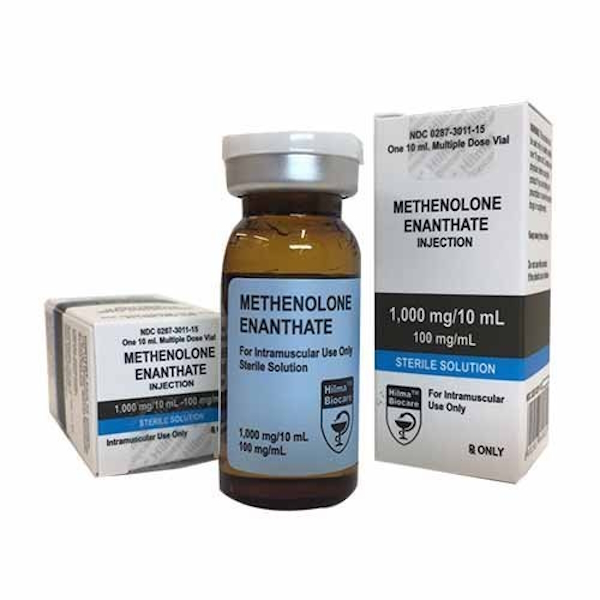
Primobolan (Methenolone) was synthesized in the 1960s by the German pharmaceutical company Schering, now Bayer, as an anabolic steroid with minimal androgenic side effects. It was developed as part of the search for drugs to treat wasting conditions, osteoporosis, and muscle atrophy, especially in children and older adults. Because of its low androgenicity and lack of aromatization, methenolone was well tolerated even during long-term use, which made it practical for therapy.
In medical practice, methenolone came in two forms: oral methenolone acetate (tablets at 5–25 mg) and injectable methenolone enanthate (an oil-based solution). The drug was prescribed to speed recovery after injuries, surgeries, and chronic illnesses that caused muscle loss. It was also used in pediatrics to stimulate growth in children with delayed development, although that practice was later phased out because of hormonal risks.
The methenolone brand names you may encounter in historical or modern sources include:
- Primobolan
- Primobolan Depot
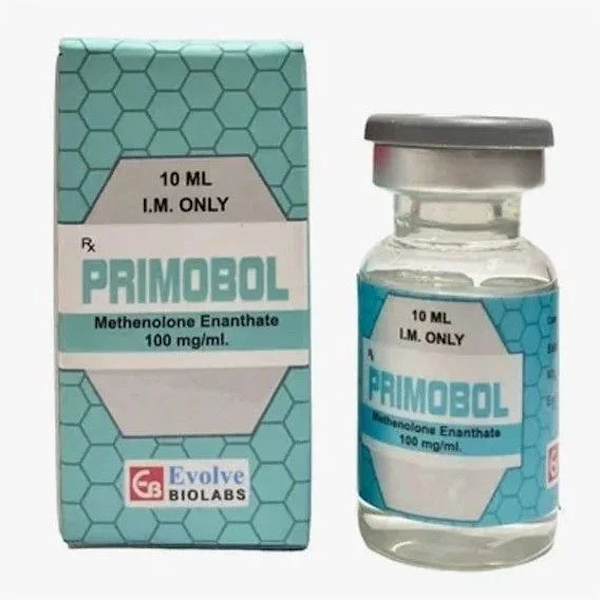
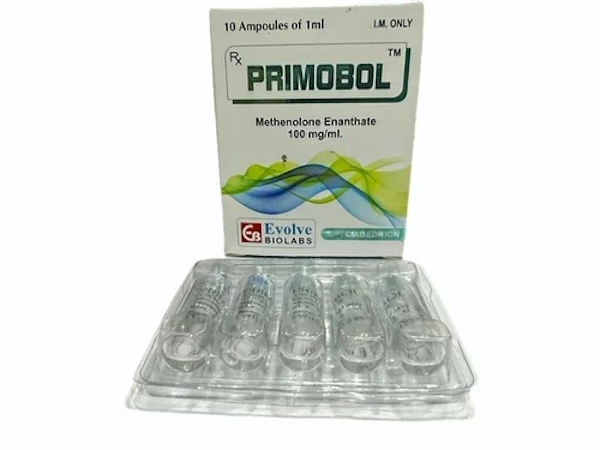
- Primobol
- Primobol-Depot
- Methenolone Enanthate
- Methenolone Acetate.
In underground pharmacology, you will often see informal names such as Primo, as well as shortened references based on the ester, such as enanthate or acetate. The original Schering product was discontinued in the early 2000s, but generic versions are still produced by many labs.
Medical use of methenolone had largely disappeared by the end of the 20th century, as more specific drugs were developed and the steroid became associated with sports doping. Still, it left a lasting mark on pharmacology, and its unique properties continue to attract athletes looking for safer ways to improve muscle quality.
How it works
Primobolan is a synthetic derivative of dihydrotestosterone (DHT), which explains its strong anabolic activity combined with low androgenicity. Unlike testosterone, it does not go through 5-alpha reduction because its structure is already modified, and it does not aromatize into estrogen. That makes it a “dry” compound that does not cause water retention or gynecomastia, which is especially valued during contest prep.
By binding to androgen receptors in muscle tissue, methenolone triggers signaling pathways that increase protein synthesis and nitrogen retention. It moderately stimulates insulin-like growth factor 1 (IGF-1) expression and improves ribosomal efficiency, but its anabolic potential is lower than that of many other steroids. For that reason, it is often stacked with stronger compounds to create a synergistic effect without extra water.
A major difference between methenolone and most steroids is its relatively low affinity for androgen receptors in androgen-sensitive tissues such as the skin and prostate. That makes it one of the safer options for long-term use, especially for women and athletes prone to acne or androgenic hair loss. At the same time, because of that same property, noticeable mass gains usually require higher doses and longer cycles.
Pros and cons in bodybuilding
Primobolan’s biggest advantage is its ability to produce quality, dry muscle gains without water retention or the estrogen-related side effects that often come with other compounds. Muscle built on Primobolan looks dense, hard, and tends to hold up much longer after a cycle than watery gains from compounds like Dianabol or Anadrol. It also has a much smaller impact on the lipid profile than oral steroids and places very little stress on the liver, especially in injectable form.
Another important benefit is its milder effect on natural hormone function. In moderate doses, up to 400–600 mg per week, methenolone causes only moderate testosterone suppression, and proper post-cycle therapy can restore endocrine function faster than after cycles of nandrolone or trenbolone. Because of its low androgenicity, it also works well for women who use it in bodybuilding to improve definition without a high risk of virilization.
The drawbacks of methenolone are equally important.
Its anabolic effect is significantly weaker than many other steroids, so it is rarely used for serious mass gain. To build substantial size, you would need either very high doses, which are not cost-effective, or a stack with stronger drugs.
On top of that, oral methenolone acetate has low bioavailability, which forces users to take larger doses, while the injectable enanthate form is not available everywhere and is often counterfeited.
Methenolone steroid profile
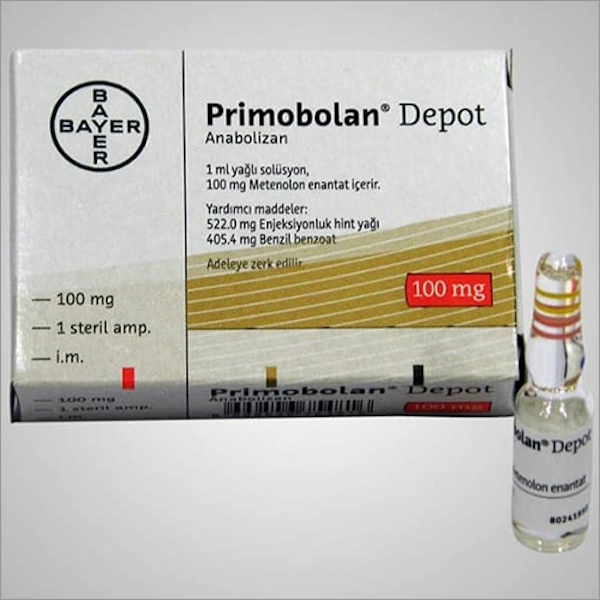
Methenolone’s anabolic activity is estimated at 88–100% of testosterone, which means it is less powerful for growth than many other anabolic steroids, but it delivers better-quality gains. For lean mass gains, a dose of 400–600 mg per week can produce about 2–4 kg over 8–10 weeks, assuming a strict diet.
Its real value, however, is not speed but the ability to preserve definition and density.
- Methenolone’s androgenic activity is only about 44% of testosterone, making it one of the mildest compounds for the skin, prostate, and hair. The risk of acne, oily skin, and androgenic hair loss is minimal even with longer use. That is especially important for athletes with a genetic tendency toward baldness.
- Methenolone has no estrogenic activity at all, since it does not aromatize and does not stimulate estrogen receptors. Water retention, gynecomastia, and other estrogenic side effects are effectively ruled out, which makes it a strong choice for cutting and pre-contest prep, as well as for people who do not want to rely on anti-estrogens.
- Half-life depends on the ester: methenolone acetate, the oral form, has a half-life of about 4–6 hours and needs to be taken two to three times a day. Methenolone enanthate, the injectable form, lasts 10–14 days, so injections can be spaced every 5–7 days. In bodybuilding, the enanthate form is more commonly used for steady blood levels, often at 200–400 mg every 3–4 days.
- Methenolone is minimally toxic. It is not 17-alpha-alkylated, so the oral form places only a light burden on the liver, and the injectable form is essentially non-hepatotoxic. Elevated liver enzymes are rare and usually linked to other compounds in the stack. That makes it one of the safer steroids for longer use.
- Effect on libido: methenolone suppresses natural testosterone production, which can reduce libido and cause erectile dysfunction during longer cycles if no base testosterone is added. That is why it is almost always stacked with moderate testosterone doses, which solves this issue.
- Effect on blood pressure is minimal because the drug does not cause water retention or a major rise in hematocrit. For most athletes, blood pressure stays in the normal range even at higher doses. Its effect on lipids is moderate: methenolone lowers HDL, the “good” cholesterol, by 10–20%, which is less than many oral steroids, while raising LDL only slightly. Omega-3s and cardio can help offset these changes.
- Effect on joints: methenolone does not have a strong positive effect on connective tissue the way nandrolone does, but it also does not worsen it. However, the lack of water retention can make joint pain more noticeable in people who are already prone to it, especially when training heavy.
Dosing for beginners and advanced users
Beginners trying Primobolan for the first time usually use the injectable form at 200–300 mg per week, split into two injections. A cycle typically lasts 8–10 weeks and is almost always paired with a supportive testosterone dose of 200–300 mg per week to avoid libido suppression. That is usually enough to assess how the body responds and to get a solid improvement in hardness and definition without major side effects.
Advanced users and experienced athletes increase the dose to 400–800 mg per week, stacking methenolone with other anabolic agents for mass gain or cutting. In bulking cycles, it is often used with testosterone and nandrolone to add quality rather than sheer size. In contest prep, Primobolan is commonly part of stacks with trenbolone, Masteron, and Winstrol, helping deliver density and vascularity. Advanced cycles can last 12–16 weeks with mandatory health monitoring.
Why its popularity has declined in modern bodybuilding
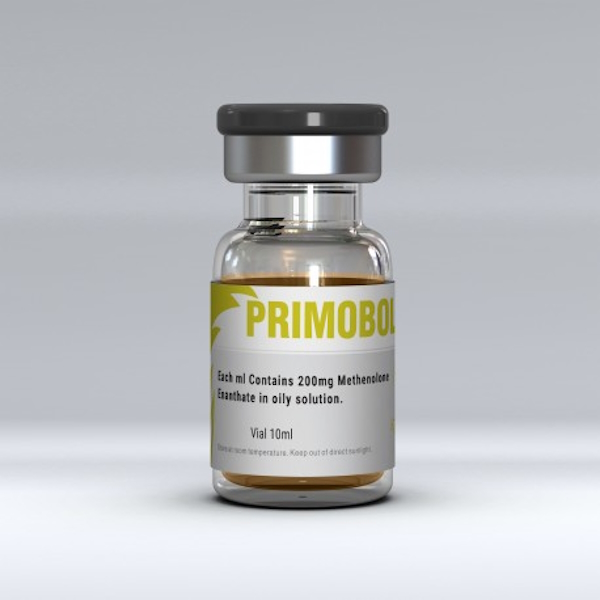
Despite its unique properties, methenolone is no longer a top choice in modern bodybuilding.
The main reason, at least in the U.S., is a shift in priorities toward faster results. Athletes today want visible changes from a short cycle, and methenolone delivers slower but higher-quality progress. Compared with powerful compounds like trenbolone or oxymetholone, it looks less dramatic, even though it is safer.
The second reason is cost and authenticity. The original Bayer Primobolan was expensive, and many modern generics turn out to be counterfeit. Because of that, even experienced athletes often choose more affordable and more predictable alternatives, such as Masteron, which has a similar profile but a more pronounced androgenic effect. In addition, oral methenolone has low bioavailability and requires high doses, which makes it expensive to use.
Finally, bodybuilding pharmacology has shifted toward more aggressive stacks, shorter cycles, and harder cuts. Methenolone has traditionally been associated with longer, steadier cycles, which runs counter to the current trend of rapid cycle changes and high-dose protocols. As a result, it remains in the toolkit of athletes who value health and quality over speed, and it continues to be used more as a supporting compound than as the foundation of a cycle.

Dmitry Volkov – is the author of our bodybuilding section is a practicing sports medicine physician based in Dallas, Texas, with 21 years of hands‑on experience in sports pharmacology. At 42, he combines deep academic knowledge with real‑world expertise gained from coaching athletes of all levels — from amateurs to seasoned competitors. He earned his medical degree from a leading Texas institution and spent years working in sports medicine clinics and private practice.
His primary focus is hormonal regulation of muscle growth, the use of anabolic steroids and peptides, and post‑cycle recovery. He understands modern protocols inside out because he consults real people every day, helping them avoid side effects and achieve safe results. His approach is rooted in evidence‑based medicine, yet remains grounded in the realities of both amateur and professional sports.
In his articles, he aims to debunk myths and deliver clear, scientifically sound recommendations. Every piece of content is vetted not only by medical knowledge but also by years of clinical observation. He firmly believes that responsible pharmacology requires a solid grasp of biochemistry, respect for one’s body, and regular medical monitoring — and he works hard to convey these principles in a way that is both accessible and actionable for his readers.