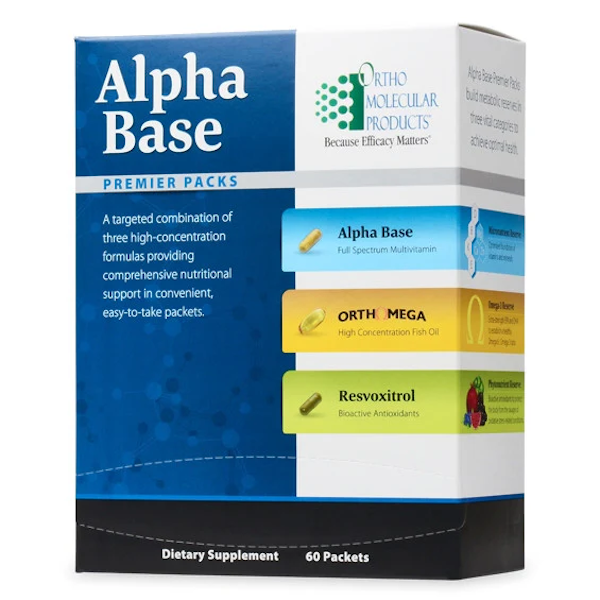
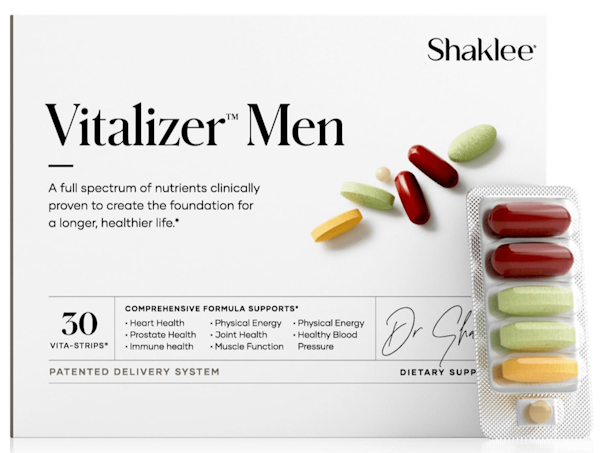
Let’s be completely honest here: do vitamins and minerals actually clash with one another, and is it truly necessary to take them separately? We already had a good idea, but we went ahead and reviewed what modern science actually says on the matter. In this article, we debunk the most popular myths surrounding incompatible nutrients and explain exactly how multivitamin complexes interact inside your body.
When you can finally separate scientific fact from marketing hype, it becomes much easier to choose quality supplements, unlock their real benefits, and stop wasting hard-earned cash on overcomplicated, “magic” split-dosing routines.
Many people are terrified of taking different vitamins at the exact same time, imagining a literal war going on in their gut where nutrients cancel each other out completely.
In reality, the human body is an incredibly smart system that spent thousands of years evolving to extract a complex cocktail of nutrients from whole foods, where everything is already mixed together.
The myth of strict incompatibility is heavily inflated by marketers looking to push hyper-specialized diet plans and overpriced supplement stacks. While it’s true that certain elements can slightly hinder their neighbors’ absorption, if you have a healthy stomach and gut, this almost never results in zero benefit from a high-quality supplement.
From a clinical standpoint, micronutrient interaction happens at the level of specific transport proteins and enzymatic pathways in the intestines. When you take isolated synthetic supplements in unnaturally high doses, it creates an artificial competition that simply doesn’t exist when digesting a natural food matrix. The body is forced to literally choose which element to pull into the bloodstream first based purely on its chemical activity.
The core issue stems from competitive absorption among minerals that share the same chemical valence. Divalent cations use the exact same ion channels within the cells of the small intestine’s mucosal lining. If a massive dose of two such minerals arrives at the exact same time, the more chemically active element completely monopolizes the receptors, leaving its rival with no way to break into the bloodstream.
Beyond transport competition, gastroenterology also recognizes direct chemical antagonistic interactions. Certain aggressive elements can directly oxidize or structurally compromise fragile vitamin molecules right inside the harsh environment of your stomach acid. This strips those vitamins of any biological value before they even hit the intestinal absorption phase.
However, medical science places just as much emphasis on synergy—the processes where substances absolutely require one another for proper metabolism. To clearly understand how certain elements assist their counterparts, take a look at this table of ideal nutrient pairings.
Base Element
Synergistic Partner
Physiological Effect of Combined Intake
Iron
Vitamin C
Ascorbic acid protects iron from oxidation and multiplies its absorption rate several times over.
Calcium
Vitamin D3
Cholecalciferol synthesizes the specific protein required to transfer calcium from the gut into bone tissue.
Magnesium
Vitamin B6
Pyridoxine locks magnesium inside the cells, preventing it from being rapidly flushed out by the kidneys.
Strictly separating your nutrients is only clinically justified when treating severe, laboratory-confirmed deficiencies.
If a physician prescribes therapeutically high doses of a specific mineral to treat a medical condition, that protocol must be taken completely isolated from everything else to guarantee maximum bioavailability and ensure a rapid physiological response to the treatment.
The Conflict List: Vitamins and Minerals to Keep Apart
Despite the incredible adaptability of your digestive system, there are certain antagonistic pairs where combined supplemental intake is highly discouraged.
Take note of our curated list of elements that physiologically conflict with each other:
Iron and Calcium: Calcium acts as a heavy blocker for non-heme iron absorption by competing for the exact same transport receptors, which is why anemia treatments lose their efficacy when taken alongside dairy products.
Vitamin B12 and Vitamin C: Mega-doses of ascorbic acid can alter the chemical structure of cyanocobalamin (B12) right in the stomach, turning it into biologically inactive analogs.
Zinc and Copper: These trace minerals are direct, fierce antagonists; long-term intake of high zinc doses displaces copper from tissues, triggering an acute clinical deficiency.
Vitamin E and Iron: Inorganic forms of iron oxidize tocopherol (Vitamin E) inside the digestive tract, causing it to lose its antioxidant properties before it ever reaches the bloodstream.
Vitamin B1 (Thiamine) and Vitamin B6: Pyridoxine (B6) chemically slows down the transformation of thiamine into its active form, causing the latter to pass right through the body and get excreted by the kidneys.
How Effective Are Multivitamins?
Popular heavy-duty complexes like Animal Pak bundle dozens of ingredients into a single serving primarily for one simple reason: basic user convenience.
Swallowing fifteen different pills on a strict hourly schedule is a logistical nightmare that most people abandon within a week. Manufacturers gamble on the fact that even with competitive inhibition, the sheer volume and correct chemical forms of the ingredients will guarantee a clinically sufficient baseline of every single nutrient.
To neutralize element conflicts within a single tablet and make a multi-component supplement work efficiently, modern pharmacology utilizes several advanced solutions.
Below, I have listed the primary manufacturing techniques used to build high-quality complexes:
Utilizing advanced chelated mineral forms, which are bound to amino acids and absorbed via alternative pathways, completely bypassing direct receptor competition.
Innovative microencapsulation of conflicting ingredients within stomach-acid-resistant shells to prevent direct chemical contact.
Creating time-release matrices where different layers of the capsule dissolve sequentially across separate sections of the digestive tract.
For heavy-training athletes and individuals with elevated physiological demands, the overall benefit of getting a broad spectrum of nutrients far outweighs any minor losses from internal competition. An athlete’s body operates at an accelerated metabolic rate, aggressively extracting the exact elements it desperately needs from the food bolus while automatically downregulating the absorption of whatever is already in excess.
Why don’t brands release separate complexes more often if it’s technically better?
Manufacturing supplements that require multiple split doses throughout the day demands complex, expensive packaging and severely drops user compliance.
However, exceptions do exist on the market: a prime example is the trend toward specialized weekly pill regimens or multi-tablet protocols where your nutrient baseline is systematically split. Instead of a single mega-dose, your routine is methodically organized into distinct color-coded packs or tablets designed to cover the week from Monday to Tuesday, Wednesday to Thursday, and straight through the weekend from Friday to Sunday, separated cleanly into morning, noon, and night slots.
These day-by-day protocols scientifically account for every single principle of biochemical antagonism and synergy, offering a solid alternative to massive, “all-in-one” sports capsules.
I’m Dr. Michael Carter, a 43-year-old American physician and medical researcher. I earned my MD from the University of Michigan Medical School and later completed an MPH at the Johns Hopkins Bloomberg School of Public Health, with a focus on public health and clinical research.
I began my medical career at University of Michigan Health, where I worked in clinical practice and contributed to research on chronic disease prevention and the effectiveness of medical interventions. I later continued in academic medicine, focusing on internal medicine, metabolic health, preventive care, and the analysis of clinical data.
My research interests include chronic disease, cardiovascular risk factors, metabolic disorders, disease prevention, and the evaluation of medical evidence. I’m particularly interested in the quality of clinical research, the evidence behind treatment approaches, and how medical findings are interpreted and applied in real-world practice.