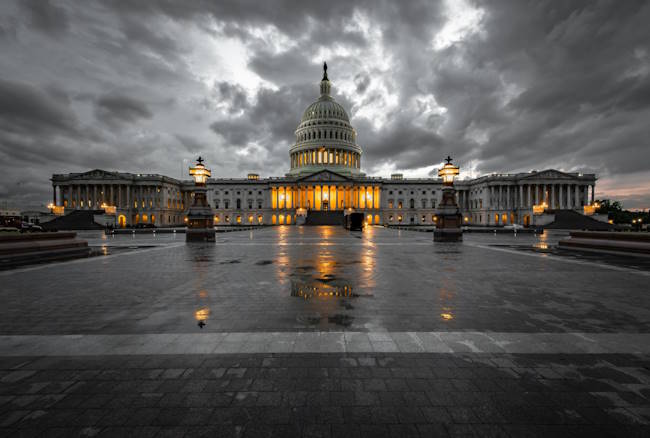
The 2026 U.S. midterm elections will take place on November 3, 2026, and determine the makeup of the 120th Congress. Republicans currently control both chambers: they hold 53 Senate seats to the Democrats’ 47, and 218 seats in the House of Representatives to the Democrats’ 214, with one seat vacant.
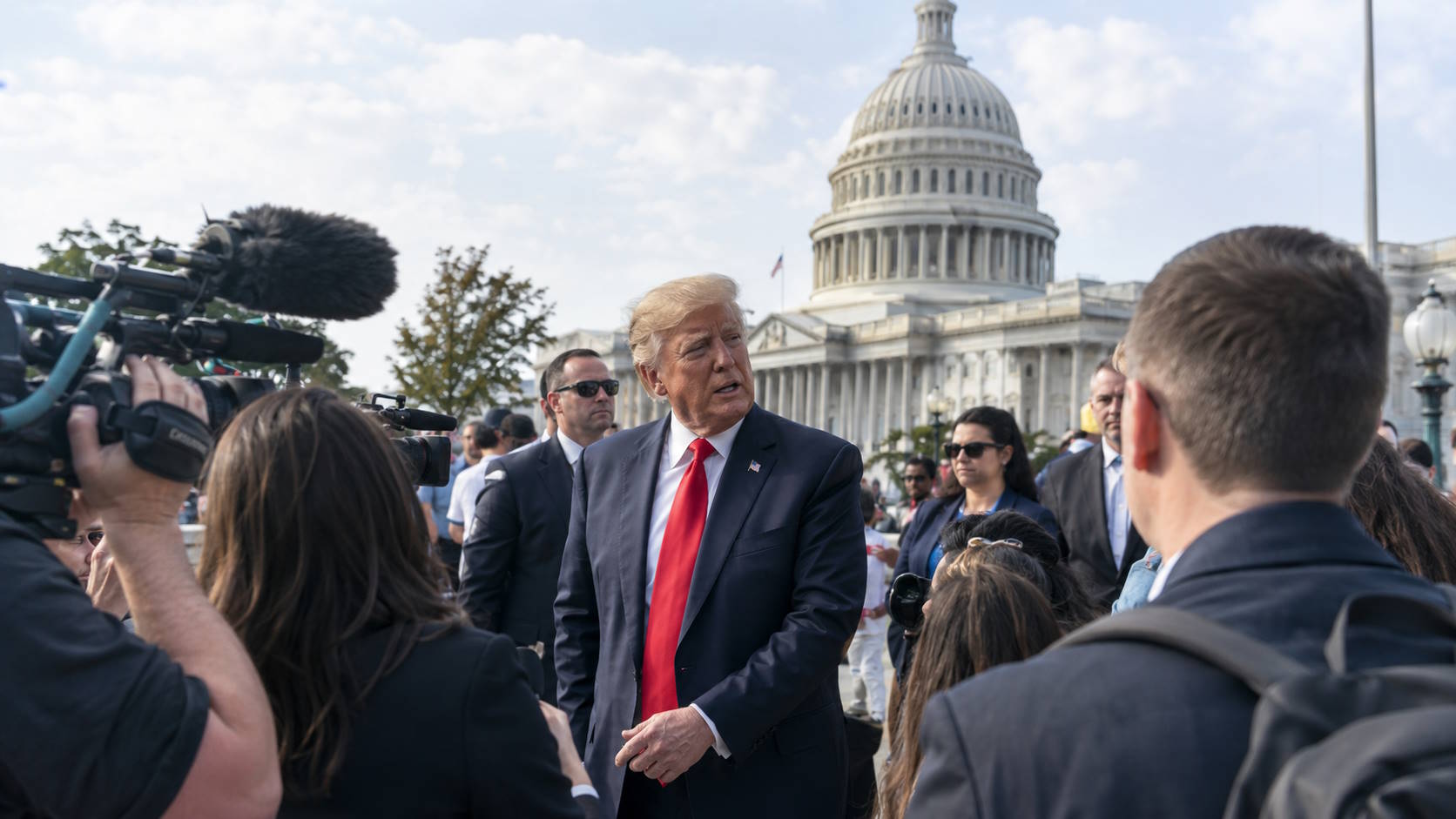
These elections fall halfway through Donald Trump’s second presidential term. Trump himself has acknowledged a longstanding political pattern: the president’s party often loses congressional seats in midterm elections. That historical trend presents an additional challenge for Republicans as they try to hold on to their majorities.
Trump’s Approval Ratings and Support for His Policies
Unfortunately for Trump, his personal approval ratings remain low.
As of late October 2026, only about one-third of Americans approve of his job performance as president, at roughly 30%, while as many as 68% to 70% disapprove. Trump’s approval has also fallen sharply among his own voters. Among Americans who voted for him in 2024, only about two-thirds now approve of his performance, down from more than 80% earlier in the year.
Support has declined particularly among younger Republicans under 35 and Hispanic voters. Polls put his approval among both groups below 60%. The numbers suggest that dissatisfaction is growing even among Trump’s traditional supporters, potentially weakening Republican candidates at the polls.
Economic Pressures and Voter Priorities
The economy and the cost of living have become central issues in the campaign.
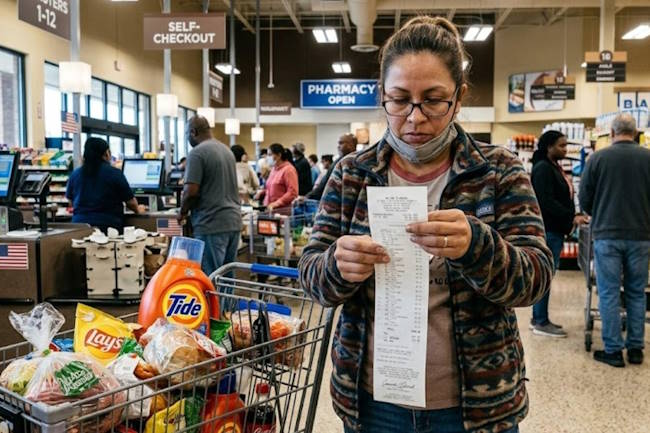
Polls indicate that approximately 82% to 88% of both Republicans and Democrats consider the economy their top election priority. Americans are frustrated by rising prices for gas, groceries, housing, and services, and many blame Trump’s policies. Only about 17% approve of how his administration is handling the cost of living.
High prices and inflation have been compounded by military conflict in the Middle East. Escalating tensions with Iran have pushed oil prices higher, putting additional pressure on household budgets. The resulting economic strain leaves Republicans struggling to defend their record as voters grapple with the rising cost of everyday necessities.
Voter Sentiment and Polling
Recent national polls suggest Democrats have the upper hand. In the generic congressional ballot, which asks voters which party they would support for Congress without naming individual candidates, Democrats receive an average of about 50% support, compared with roughly 42% to 44% for Republicans. That gap of several percentage points puts Democrats in a stronger overall position and suggests they could benefit as votes translate into wins across individual districts.
Political analysts note that current forecasts suggest Democrats could win 219 or more House seats. Republicans, meanwhile, are defending approximately 198 districts considered relatively safe, while another 18 races remain competitive.
If these trends hold, Democrats could secure a House majority of 20 to 25 seats. Economic growth or a natural slowdown in inflation before November could improve Republicans’ prospects, but the generic ballot currently points to significant political headwinds for Trump’s party.
The Senate Outlook
The Senate picture is less settled, although the current balance of polling also appears to favor Democrats.
A total of 35 Senate seats are up for election. Republicans currently hold 20 of those seats, while Democrats hold 15, including seats held by independents who typically caucus with Democrats.
Democrats need to gain at least four seats to secure a majority. Key battlegrounds include Alaska, Iowa, Kansas, Maine, Michigan, New Hampshire, Ohio, and Texas. Polling suggests these races are competitive, with neither party holding a clear advantage in several of them.
Texas is a particular source of concern for Republicans. For the first time in decades, a Democratic candidate is running neck and neck with a Republican in the state. Trump won Texas by a wide margin in 2024, but current polling shows the Democratic candidate with an edge. For example, the polling median puts Democrat James Talarico at about 48% and Republican Ken Paxton at 45%. Michigan presents a similar challenge: Republican Mike Rogers and Democrat Abdul El-Sayed are running nearly even, despite Trump’s narrow 50% showing in the state during the 2020 presidential race.
Overall, Republicans still have a numerical advantage in the Senate, but a handful of vulnerable races could change the balance of power under current conditions.
Historical Midterm Trends
Current polling is only part of the picture. Historical patterns also matter. In previous midterm election cycles, the president’s party has consistently lost congressional seats. The pattern was especially clear in 2010 under Barack Obama and in 2018 under Trump.
The president has repeatedly pointed to the trend himself, saying that when a president wins an election, his party often loses ground in the midterms. This historical pattern creates an unfavorable backdrop for Republicans, as voters can grow weary of seeing the same party hold power for too long. Still, the outcome of any election depends on a range of campaign-specific factors, and Republicans are working to win every vote they can.
Geopolitical and Social Issues
Beyond the economy, several other issues could shape the election:
Foreign policy and national security are major concerns. U.S. strikes against Iran this fall have generated more concern than support among voters, according to polling estimates, with only about one-third of Americans approving of the actions. Rising gas prices and the risk of a wider military conflict in the Middle East have made the war a liability for Trump. Some Republican congressional candidates are publicly distancing themselves from the administration’s actions, recognizing that voters have grown tired of military conflicts.
Domestic policy is another source of tension. Trump’s hard-line immigration policies have divided even some Republicans. Florida Rep. María Elvira Salazar has openly criticized certain presidential measures as too harsh, arguing that they risk alienating voters. The prospect of public protests and ongoing investigations involving Trump also adds to the political uncertainty.
Together, these issues could make Trump and his party less appealing to moderate and independent voters.
The Democratic Strategy
Democrats are preparing to capitalize on their opportunity. The Democratic National Committee has expanded its list of target districts to include traditionally Republican strongholds that were once considered out of reach. The goal is to force Republicans to spread their campaign resources more thinly as they defend their base.
In Tennessee, for example, Democrats have fielded candidates in heavily Republican districts, including the 9th Congressional District centered on Memphis. Fundraising has also strengthened the party’s confidence. Donations to congressional races have increased since the fall campaign began, with donors directing money toward states and districts where Trump previously won by wide margins. Democrats are focusing on voter frustration over rising prices, tariffs, and unresolved social issues. Their strategy is to expand the battlefield into districts where Republicans previously faced little serious opposition.
Democratic strategists argue that rural America is increasingly unhappy with tariffs and rising prices. As a result, dissatisfaction with Trump’s policies is becoming more visible even in traditionally Republican areas.
Republican Mobilization and Campaign Resources
Republicans have substantial resources of their own. Money remains a major advantage, with wealthy donors and Trump supporters contributing tens of millions of dollars to the campaign effort.
Elon Musk’s contributions stand out. He has donated record amounts to support Republicans, with total contributions estimated at around $366 million, including approximately $276 million directed to Republican super PACs since July.
That money helps fund advertising, voter outreach, and get-out-the-vote operations. Republicans are also strengthening their campaign networks. Trump’s local supporters are taking active roles in campaign offices, while incumbent House members and senators are using their positions to mobilize their voter base. In many traditionally Republican areas, GOP turnout has historically been higher than Democratic turnout.
Despite the political headwinds, Trump’s party retains considerable organizational capacity and financial firepower heading into the election.
Key Takeaways and Election Forecast
As Election Day approaches, both Republicans and Democrats have advantages and vulnerabilities:
Republicans have attracted substantial financial support and retain institutional advantages, including control of Congress, a committed party base, and a large number of reliably Republican districts.
Trump’s low approval ratings and persistent economic pressures give Democrats a powerful campaign message. Current polling and political forecasts generally favor Democrats, particularly in the race for control of the House of Representatives.
Republicans nevertheless face an uphill battle. If Democrats take control of the House, the Senate race could remain extremely close, with the final outcome potentially hinging on just a few seats. The table below summarizes the main arguments for and against a Republican victory in the midterm elections.
Factors Favoring Republicans
Factors Working Against Republicans
Republicans already control both chambers of Congress (Senate: 53–47; House: 218–214).
Trump’s low approval rating: only about ~30% of Americans approve of his job performance.
Substantial campaign funding: Elon Musk and other donors have contributed hundreds of millions of dollars to support Republicans.
Economic pressures: 82%–88% of voters consider rising prices a top priority, and Republicans are being held responsible for the problem.
Most districts remain safely Republican: only about 40–50 of the House’s 435 seats are considered competitive.
Democrats lead national generic ballot polls by approximately 6–8 percentage points, pointing to a potential Democratic House victory.
A mobilized base: Trump’s core supporters are traditionally well organized and tend to turn out at higher rates than Democrats.
The historical midterm pattern: the president’s party regularly loses congressional seats in these elections.
Welcome to Poznayu.com!
My name is Alex, and I founded this project together with a team of like-minded professionals. At Poznayu.com, we create in-depth reviews, explore fascinating facts, and share well-researched, reliable knowledge that helps you navigate complex topics with confidence.
Our mission is simple: to explain complicated ideas in clear, accessible language. We believe that high-quality information should be available to everyone. Every article we publish is designed to provide practical value, actionable insights, and trustworthy analysis you can rely on.
Join our growing community of curious readers. Your feedback matters — share your thoughts in the comments, ask questions, and suggest topics you’d like us to cover next.