Buying a new vehicle often means falling into the dealership trap of overpaying for flashy but ultimately useless car features. Many modern automotive technologies are engineered by marketers simply to inflate the final sticker price of higher trim levels while sitting idle for years. By taking a practical look at these heavily hyped options, you can bypass the dealership gimmicks, strip away the unnecessary electronics, and save thousands of dollars on your next auto loan.
Let’s be completely honest: walking into a car dealership can feel overwhelming because every new vehicle looks like a spaceship wrapped in high-tech promises.
Salespeople love to hype up premium features as absolute must-haves, making you feel like you are missing out if you choose a base model or a mid-tier trim level. However, once the excitement of the new car smell wears off, many buyers realize they paid thousands of extra dollars for gadgets they never actually use. Real-world driving is about comfort, safety, and reliability, not about struggling with over-engineered tech that makes simple tasks harder.
Chief Marketing Gimmicks of Auto Manufacturers
Built-in factory navigation was considered a premium luxury option for a long time, but today it is completely obsolete. Car brands install their own proprietary maps that rarely receive over-the-air updates, fail to track live traffic jams accurately, and feature incredibly clunky user interfaces. In reality, almost every driver in America simply plugs in their smartphone to run Apple CarPlay or Android Auto, relying on familiar mobile navigation apps with real-time traffic data, making factory GPS an expensive, redundant waste of cash.
The automatic parking system—which is essentially an advanced parking sensor paired with automated steering—promises to take the anxiety out of parallel parking for new drivers, but it causes more headaches than it cures. To turn it on, you have to cruise past an open spot at a snail’s pace, fiddle with a series of screen menus, and completely surrender control to an automated system that moves incredibly slow and often leaves massive gaps between your wheels and the curb. In tight city traffic, you simply do not have the luxury of time for these long, awkward setups, and drivers almost always end up parallel parking manually much faster by using standard backup cameras.
Steering-wheel paddle shifters on an ordinary family crossover or a budget commuter sedan equipped with a CVT look ridiculous and serve absolutely no functional purpose. This option originally trickled down from motorsports to give drivers split-second transmission control on a race track, but when bolted onto a low-horsepower daily driver, it becomes nothing more than a cheap plastic decoration. Most car owners click them once out of curiosity on day one, then forget they exist entirely, leaving the automatic transmission to do its job for the rest of the car’s lifespan.
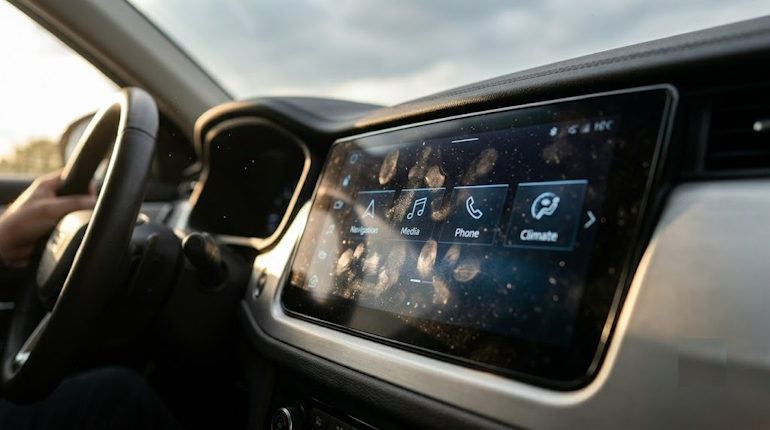
Touchscreen-only climate control and infotainment menus are easily one of the most annoying and potentially dangerous trends in modern car design. Sleek, glossy black panels look great in promotional photos, but removing physical buttons eliminates all tactile feedback, forcing you to take your eyes completely off the road just to turn down the AC or adjust the radio volume. A physical dial or knob can be adjusted instantly by muscle memory alone, whereas capacitive touch screens quickly get covered in greasy fingerprints, glare heavily in direct sunlight, and completely fail to register inputs if you are wearing gloves during a freezing winter.
Built-in factory voice recognition systems that aren’t backed by the advanced AI models found on modern smartphones are usually a recipe for pure frustration. These systems force you to speak in rigid, pre-programmed script phrases using a perfectly clear announcer voice, frequently misinterpreting commands due to tire roar or wind noise. It is significantly faster and safer to just press a physical button on the dashboard with your hand than it is to spend two minutes arguing with a glitchy robot just to change the radio station or adjust the fan speed.
Dealers frequently sell high-pressure headlight washers as a critical safety feature for night driving, but their actual effectiveness in harsh winter weather is practically zero. A high-pressure spray of water can clear off loose summer dust, but it is completely useless against dried mud or oily road salt because the headlights lack physical wiper blades to scrub the lens clean. To make matters worse, every time the system fires up, it blasts an enormous amount of expensive windshield washer fluid all over your hood, draining your fluid reservoir in a matter of days.
To clearly illustrate how dealership marketing promises stack up against the harsh realities of daily driving, we have broken down the contrasts in the comparative chart below.
| Automotive Option | Dealership Marketing Promise | Real-World Daily Use Reality |
| Auto-Park Assist | Perfect hands-free parking in any urban environment | Unbearably slow, requires flawless lane lines and clean sensors |
| Touchscreen Buttons | Futuristic, high-tech interior design language | Accidental inputs, smudges, and dangerous driving distractions |
| Cooled Glovebox | Icy-cold beverages during blistering summer heatwaves | Barely drops the air temp while eating up usable storage space |
| Factory Navigation | Reliable route guidance without needing cellular data | Outdated maps missing speed cameras and live traffic updates |
How to Smartly Choose Your Vehicle Trim Level
Before you sign the dotted line on a finance agreement and commit to an artificially inflated, top-tier trim package, you need to realistically audit your driving habits. To avoid throwing money away on marketing gimmicks, we highly recommend using a structured approach when configuring your next vehicle package.
-
Review your typical daily commute to identify the specific features that will genuinely make your drive easier, such as adaptive cruise control, which is an absolute lifesaver in gridlock commuter traffic.
-
Test every questionable electronic feature during your dealership test drive by actively trying to use the auto-park feature or adjusting the temperature via voice commands while keeping up with traffic.
-
Research real owner reviews on dedicated automotive forums, where everyday drivers post honest, long-term feedback regarding hidden flaws in premium factory options.
When it comes down to it, a genuinely high-quality vehicle experience is built around cabin quietness, powertrain reliability, crash safety, and solid basic ergonomics. If you want to configure a smart, rational vehicle build, you should prioritize features that are truly worth every single dollar.
-
High-quality LED or matrix headlight packages that provide exceptional visibility and night-driving safety.
-
Active driver-assistance safety systems, specifically blind-spot monitoring alerts in the side mirrors and automatic emergency braking.
-
Cold-weather winter packages that feature heated steering wheels, heated rear seats, and full heating elements embedded in the front windshield.
Additional Over-Hyped Features to Avoid
Based on feedback and comments from our readers, we have expanded this list to include three more over-hyped vehicle features you can safely skip to save cash.
Active Lane Keep Assist
- While originally designed as an intelligent safety assistant for long, monotonous highway road trips, active lane-keep assist frequently turns into an incredibly annoying nuisance during your daily city commute.
The onboard computer aggressively jerks the steering wheel when you try to naturally steer around a sudden pothole, an open manhole cover, or slightly adjust your lane position without signaling. Constantly fighting your own steering wheel as it tries to wrench itself from your hands or vibrates aggressively is frustrating and often creates hazardous situations rather than preventing them. As a result, the vast majority of car buyers permanently turn this feature off within the first month of ownership, making the hefty premium paid for it completely pointless.
Non-Switchable Front Parking Sensors
- Front parking sensors are fantastic tools when you are carefully pulling into a tight garage, but they can quickly transform into a form of mental torture in heavy, stop-and-go city traffic.
If the car manufacturer neglected to include a physical button to quickly mute these sensors, your cabin will constantly echo with frantic, high-pitched beeping during every single traffic jam whenever you get slightly close to a bumper or when delivery couriers lane-split past your vehicle. During slushy winters, the situation becomes completely absurd as sensors caked in ice and road grime go into a non-stop panic mode, forcing the driver to awkwardly hunt through deep sub-menus in the infotainment screen just to disable them.
Advanced Autopilot Systems
- Ultra-expensive autonomous driving suites, such as highly publicized semi-autonomous systems like Tesla’s Full Self-Driving, cost astronomical amounts of money and look impressive on pristine, sun-drenched California highways.
However, outside of that ideal environment—in places where lane markings vanish under snow, construction signs contradict each other, and surrounding drivers behave completely erratically—the autopilot becomes jerky, helpless, and flat-out terrifying. In real-world driving conditions, you still end up sitting in a state of constant stress with your hands firmly on the wheel, micromanaging every single decision the computer makes, which completely defeats the purpose of the relaxed driving experience you paid thousands of dollars to get.
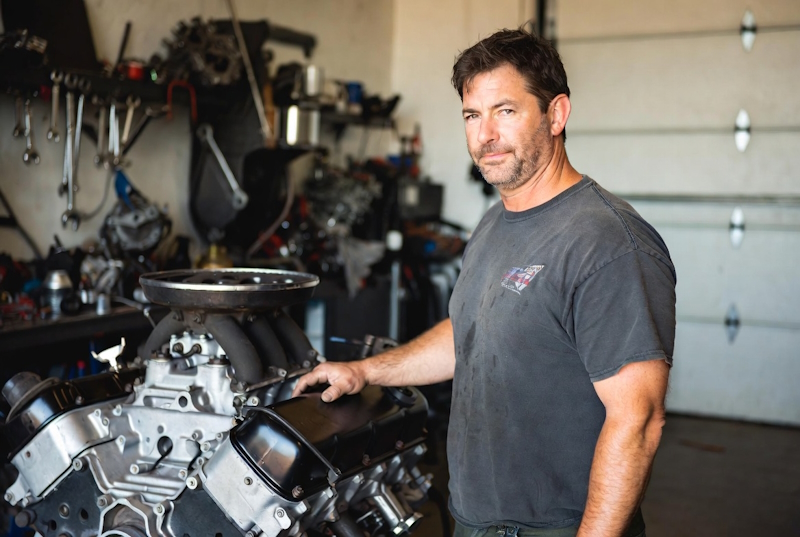
I’m Kevin Harper, an American automotive expert and tuner with more than 20 years of hands-on experience.
I graduated from Texas A&M University with a degree in Mechanical Engineering, with a focus on engine development. I started my professional career working in Texas garages, specializing in tuning classic American V8s and modern pushrod engines, including GM LS-series engines, Chrysler HEMI, Ford Coyote, as well as Modular and Big Block platforms.
I’ve worked on the restoration and extensive modernization of 1960s and 1970s Muscle Cars, built high-output LS swaps for daily-driven pickups and track projects, optimized HEMI engines for forced induction, and worked through the technical details of pushrod engine design — from selecting the right camshafts and cylinder heads to dialing in fuel systems and engine cooling.
I now live in Dallas, Texas, where I continue to work hands-on with performance builds, tuning and testing. In my articles, I explain how American and other engines actually work, which modifications genuinely improve power and reliability, and which ideas are nothing more than garage folklore. I keep the language straightforward without leaving out the technical details that matter, so owners of classic cars and modern V8s can make informed decisions.