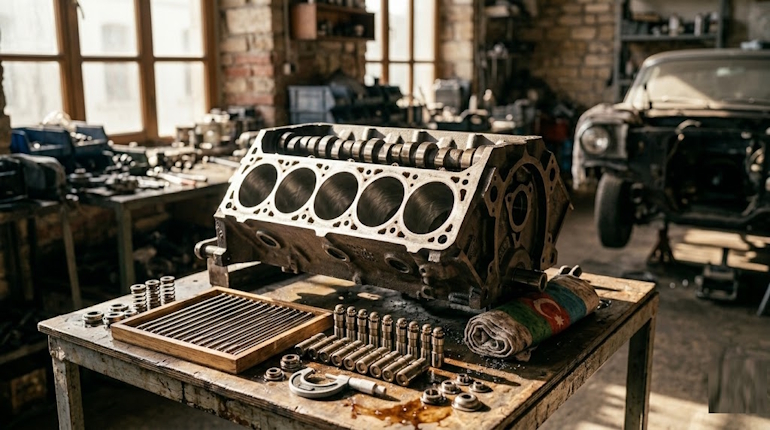
American pushrod (OHV) V8 engines are legendary for their incredible durability and dirt-cheap maintenance costs, leaving complex modern counterparts far behind.
The structural simplicity of OHV setups provides them with a massive lifespan, while the absence of bulky overhead-cam heads minimizes the risk of catastrophic failures.
Pinpointing exactly which components wear out at ultra-high mileages allows car enthusiasts to keep these legendary powerplants running smoothly for decades with minimal financial investment.
Iconic Representatives
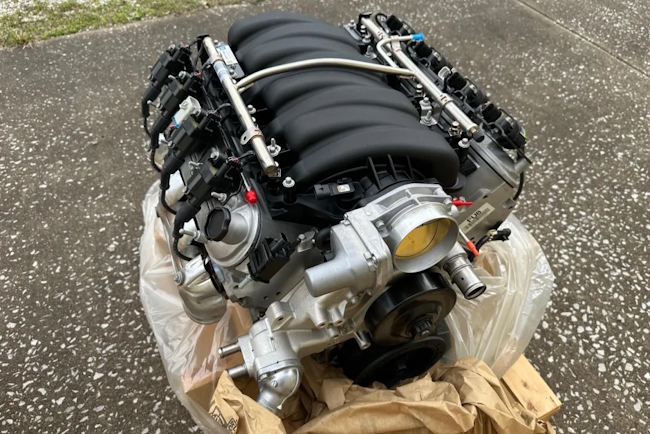
There are, of course, tons of them (GM alone has built over a hundred million small blocks), but these are the ones that instantly come to mind:
-
LS3 (6.2L): One of the best engines in the LS family. Simple design, excellent longevity, great cylinder head flow, and a massive aftermarket selection. It handles power upgrades and hard driving with ease. This is the ultimate swap choice due to its basic layout and mega-reliability.
-
LS7 (7.0L): The largest production naturally aspirated LS factory engine. It features titanium connecting rods, a dry-sump oiling system, and high output. It requires attention to the cylinder heads and valve train, but once the well-known issues are addressed, it becomes highly reliable. Pictured above.
-
LS2 (6.0L): The predecessor to the LS3, considered one of the most trouble-free LS engines. Features a simple design without unnecessary electronics and boasts a long lifespan. Perfect for both daily driving and engine swaps.
-
LS1 (5.7L): The engine that started the Gen III LS family and made the series legendary. It features a lightweight aluminum block, rock-solid reliability, and excellent parts availability. Many units clock hundreds of thousands of miles without a rebuild.
-
LM7 (5.3L): The iron-block truck LS found in GM pickups and SUVs. It doesn’t put out crazy power numbers, but it is famous for its massive lifespan and sheer endurance. One of the most popular engines for budget builds.
-
5.7 HEMI: The cornerstone of Chrysler’s modern pushrod V8 lineup. It strikes a solid balance between power, reliability, and maintenance costs. With timely oil changes, it easily runs for the long haul.
-
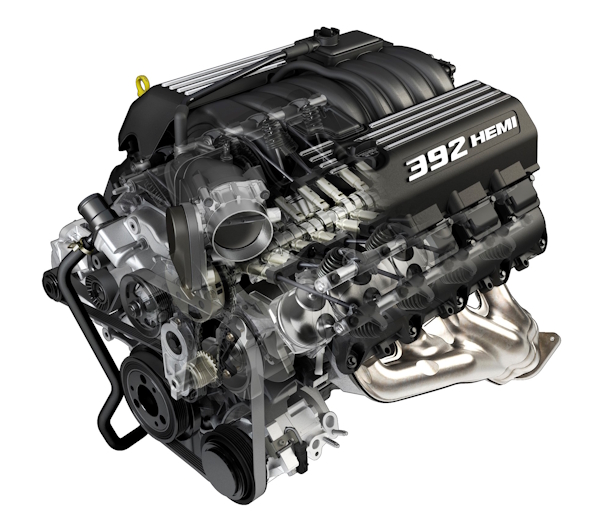
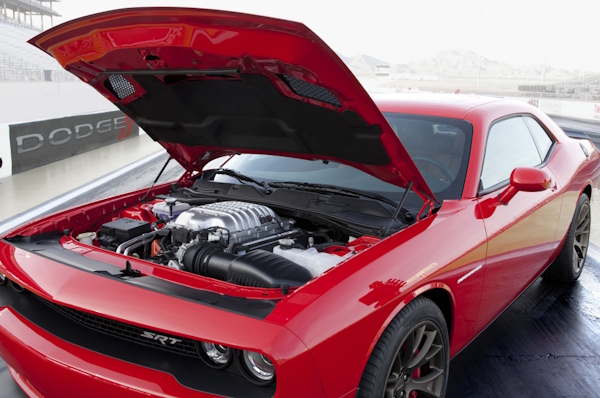
6.4 HEMI 392: A beefed-up, larger-displacement version of the HEMI pumping out high power. It is far more reliable than many modern turbocharged engines and handles heavy loads perfectly. Frequently regarded as the best naturally aspirated HEMI of recent years. Pictured below.
-
8.0 Magnum V10: Built on the Magnum V8 architecture and dropped into heavy-duty Dodge trucks. Known for its massive lifespan and capability under severe conditions. Fuel economy is terrible, but mechanically the engine is bulletproof.
The Myth of the “Gas Guzzler”
The myth of pushrod (OHV) engines being “gas guzzlers” mostly stems from old designs featuring low compression ratios, primitive valve timing, and inefficient intake/exhaust ports, where thermal efficiency plummeted under heavy loads and high RPMs.
A modern V8 in the US equipped with cylinder deactivation (Active Fuel Management/AFM or MDS), port fuel injection, and optimized ECU maps operates in an entirely different engineering reality. Under light-to-moderate loads, it frequently enters a high-efficiency mode where some cylinders shut off, allowing the remaining active cylinders to run under higher load and better thermal efficiency with superior fuel economy.
Consequently, cruising calmly at around 19 MPG for a heavy V8 is completely normal and fits the OHV architecture perfectly. The gas-guzzler reputation persists more out of habit than the actual data of modern engines.
Step on the gas, and efficiency quickly drops to 9 to 13 MPG or worse, because cylinder deactivation disengages, the engine runs on all cylinders full-time, and fuel goes toward sustaining peak power and overcoming thermal losses.
Pushrod V8 Architecture: The Foundation of Phenomenal Reliability
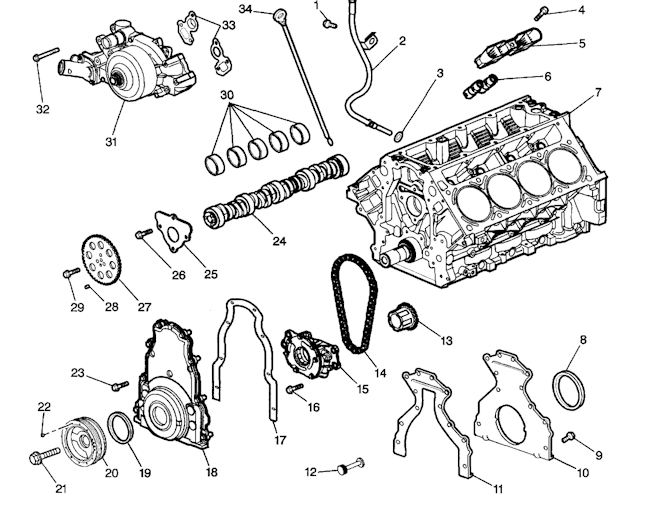
The ultimate secret behind the durability of classic American eight-cylinder engines lies in the OHV (Overhead Valve) valve train layout, where a single camshaft sits deep within the valley of a massive engine block.
- This layout drastically slashes the number of moving parts: rotation transfers to the valves via a system of long metal pushrods and rocker arms.
- This eliminates the need for the complex, bulky, and fragile components typical of modern overhead-cam (DOHC) cylinder heads, making the entire structure incredibly robust and rigid.
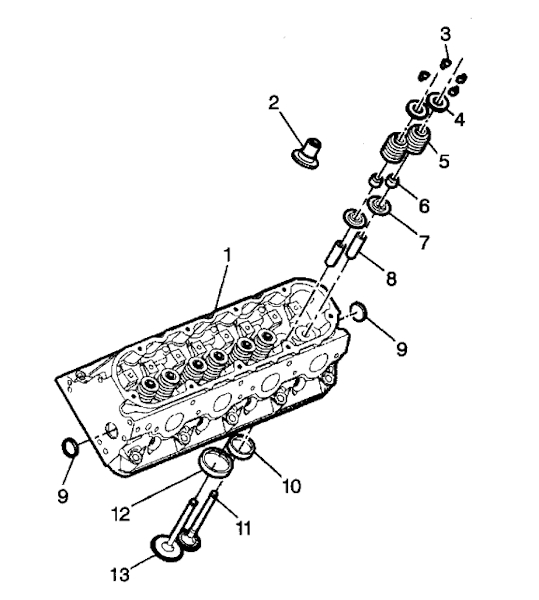
The second critical factor for longevity is the operating profile of these large-displacement powerplants, which dump maximum torque at extremely low RPMs.
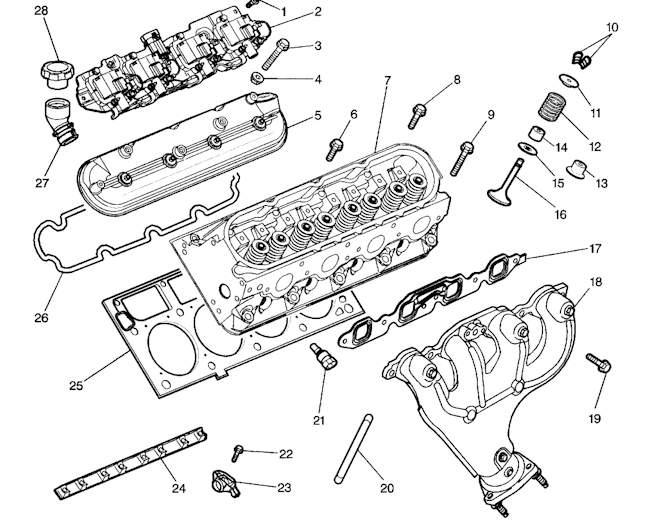
The engine rarely operates anywhere near its absolute physical limits; cruising down the highway in a heavy SUV or truck typically requires just over 1,500 RPM.
Low thermal stress, massive structural margins in the thick-walled blocks (cast iron or high-grade aluminum in modern iterations), and oversized crankshaft journals make the American V8 virtually immune to brief overheating spikes and heavy mechanical loads.
Operating Principle
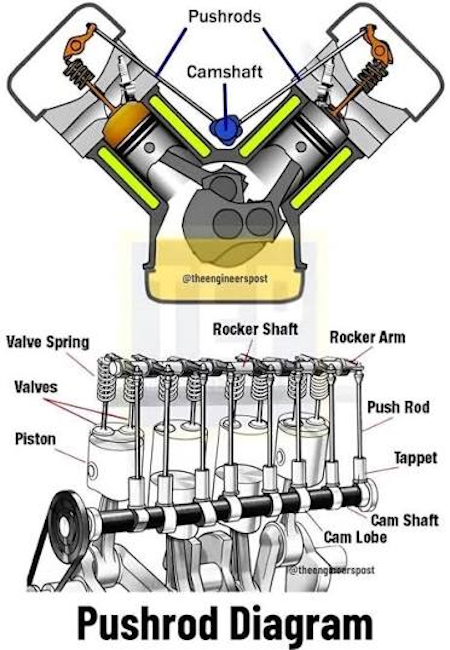
A pushrod engine (or OHV architecture motor) runs on a classic four-stroke cycle but features a unique mechanical arrangement for transferring force from the camshaft to the valves.
The valve train operation in this type of engine unfolds as follows:
-
Crankshaft Rotation: As the air-fuel mixture ignites, the pistons rotate the crankshaft, which serves as the primary power axis of the engine.
-
Transmission to the Camshaft: Via a short timing chain or directly through a gear-to-gear drive, the crankshaft spins the camshaft. In this layout, the single camshaft sits deep inside the engine block (in the lifter valley for V8 engines).
-
Cam and Lifter Action: As the camshaft rotates, its lobe rides against a roller or flat-tappet lifter positioned directly above the shaft, lifting it vertically upward.
-
Force Transmission via Pushrod: The lifter pushes a long metal rod (hence the name “pushrod”). This rod runs bottom-up through the entire engine block, emerging into the cylinder head.
-
Rocker Arm Engagement: The top end of the pushrod presses against one side of the rocker arm, which pivots on a shaft or stud in the cylinder head like a seesaw. The pushrod forces this side of the rocker arm upward.
-
Valve Opening: The opposite side of the rocker arm pivots downward and presses on the tip of the valve stem (intake or exhaust), overcoming the resistance of a stiff valve spring. The valve opens, letting the mixture in or exhausting spent gases.
-
Valve Closing: Once the cam lobe passes its peak and rotates away, the valve spring snaps the valve back into its sealed position, simultaneously returning the rocker arm, pushrod, and lifter to their original downward position.
Maximum Simplicity: Minimal Chains and Complex Phasers
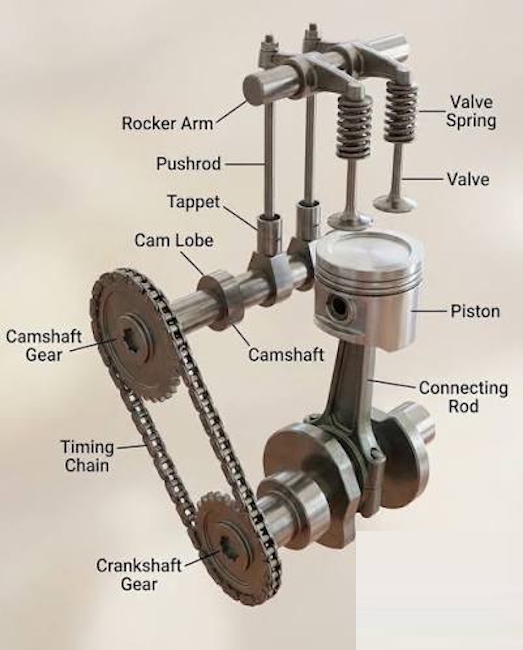
The secret to rock-bottom maintenance costs lies in the total absence of fussy components that require regular replacement in European and Asian overhead-cam engines—often demanding complete engine removal.
In classic American V8s, the valve train drive is engineered to be as basic and bulletproof as possible.
Torque transfers from the crankshaft to the camshaft either via an ultra-short, thick double-row timing chain that is virtually immune to stretching, or completely chain-free through a direct gear-to-gear mesh. The total lack of winding chains, dozens of plastic guides, and hydraulic tensioners frees the owner from wallet-draining timing service bills for up to 300,000 miles.
Just as impressive is the sheer simplicity of the intake and exhaust system, which uses only two massive valves per cylinder, totaling 16 valves across the entire V8 instead of 32.
Many commercial and classic variants of these engines lack Variable Valve Timing (VVT) altogether, wiping out any risk of expensive phaser failures or clogged oil control solenoids.
Even when engineers integrate VVT to satisfy modern emissions standards, the setup uses just a single, central cam phaser mounted on the lone camshaft. Replacing one phaser is exponentially cheaper and easier than maintaining four independent units on a DOHC motor.
Architectural Advantages
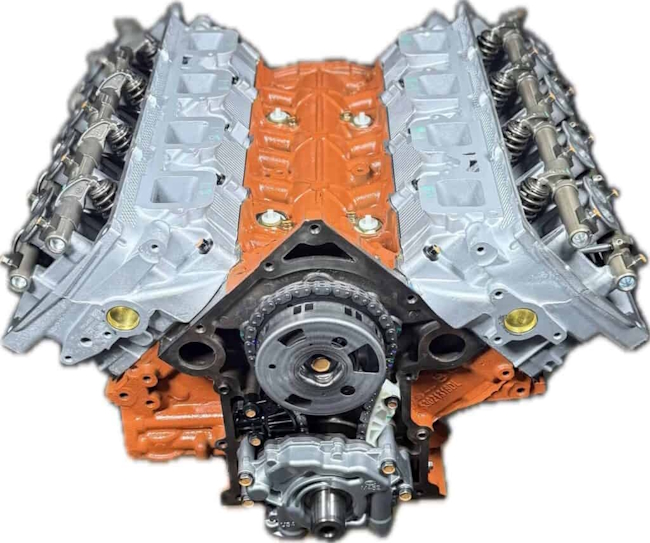
As seen in the Dodge 6.4 HEMI layout: there is only one VVT phaser bolted to the camshaft. A single chain connects the camshaft and crankshaft. A dead-simple mechanical oil pump mounts directly to the crankshaft snout. If you pull any of these components, your valve timing remains undisturbed.
The distinct layout of a block-mounted camshaft provides a colossal advantage during deep engine repairs or aftermarket upgrades.
First: cylinder head removal convenience. Because the lone camshaft sits deep in the engine block valley rather than on top of the cylinder heads, pulling a head to swap a gasket, lap valves, or port the runners requires absolutely zero teardown of the timing drive. You don’t have to pull the front timing cover, unhook the chain or belt, and painstakingly realign timing marks. Simply slide out the metal pushrods from the top, and the head unbolts completely free—your valve timing remains locked in place, and altering the mechanical synchronization between the crank and cam is physically impossible.
Second structural strong suit: the camshaft or lifter replacement procedure. In DOHC configurations, swapping a camshaft or a collapsed lifter demands tearing down the top end completely and unhooking the chain drive—bringing along all the risks of improper reassembly. In a pushrod V8, accessing the hydraulic lifters requires nothing more than pulling the intake manifold in the engine valley. If you need to swap the cam itself, it slides straight out “the front door” through the front of the block. This completely eliminates the need to touch the cylinder head architecture and dramatically slashes labor hours, making servicing and upgrading this engine lightning-fast and highly affordable, even in a basic home garage.
Third feature—and a highly welcome one: when replacing the chain, the sole tensioner guide, or the cam phaser, the timing marks cannot go out of sync, requiring zero complex alignment. Changing the chain or the central phaser on a pushrod V8 physically frees you from locking down massive dual overhead cams with specialized alignment fixtures. You simply bring the number one piston to Top Dead Center (TDC), then line up the new chain and sprockets using two basic dot marks that point directly at one another. Even if you completely strip the chain off and spin the crank, the mechanical relationship between the lobes inside the single camshaft cannot “drift” or misalign relative to each other, dropping the risk of assembly error to zero.
Price Comparison Examples: Pushrod vs. BMW OHC
Let’s take a look at just two component examples: the timing chain and the cam phasers.
Keep in mind that a pushrod engine uses exactly one timing chain and one cam phaser (if equipped).
Let’s check prices at a popular US online auto parts retailer. I’ll list them in USD to keep things straightforward.
Timing Chain for a GM LS3:
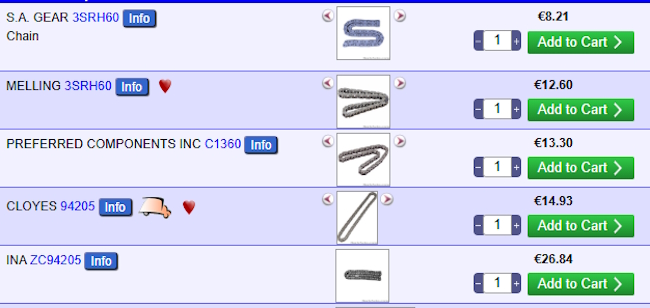
Widely available, with prices starting at around $9.00.
Timing Chain for a BMW 528i:

Starts around $45.00 with very few budget options in stock, even for US-spec models. And if it’s a V6 or V8 overhead-cam layout? Multiply that cost by the number of chains required.
Now let’s compare VVT Cam Phasers.
For a GM L99:
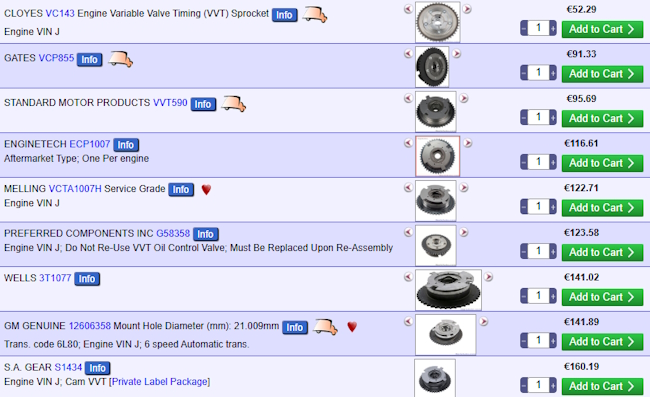
A massive aftermarket selection with prices starting at $58.00. Buy one, drop it in, and forget about it for over 180,000 miles.
Meanwhile, check out BMW 528i prices:
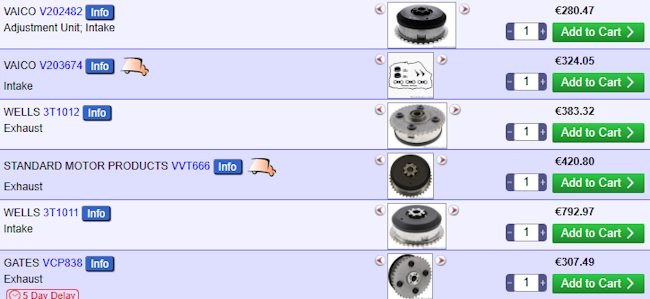
Prices start at $310.00 each, and there are two types: intake and exhaust. If you’re talking a V6 or V8 OHC engine, you’re buying four VVT sprockets. Furthermore, their lifespan doesn’t come anywhere near the 180,000+ mile durability of an LS3 unit.
Natural Wear at Ultra-High Mileage: The Weak Spots
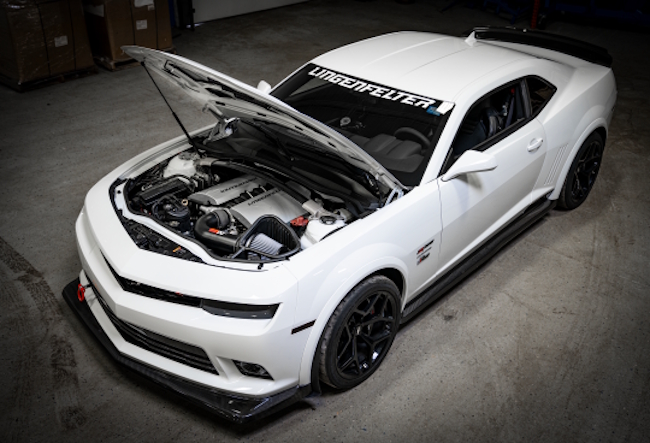
Despite the stellar reliability of the design, the laws of physics are uncompromising. Once an engine crosses the 250,000 to 300,000-mile threshold, the pushrod architecture begins to reveal its specific, age-related weak spots.
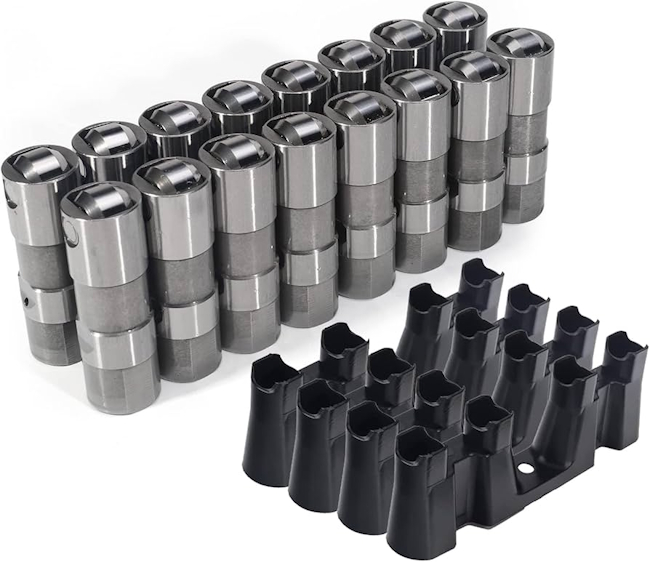
The primary brunt of the wear falls on the hydraulic lifters and their roller wheels (pictured above), which constantly ride against the camshaft lobes under immense pressure from stiff valve springs. Over time, the needle bearings inside the rollers wear out, causing the roller to bind. Once it seizes, it literally eats away the metal on the camshaft lobe. This triggers a distinct, sharp ticking noise from the top end of the engine alongside a loss of power due to the valves failing to open completely.
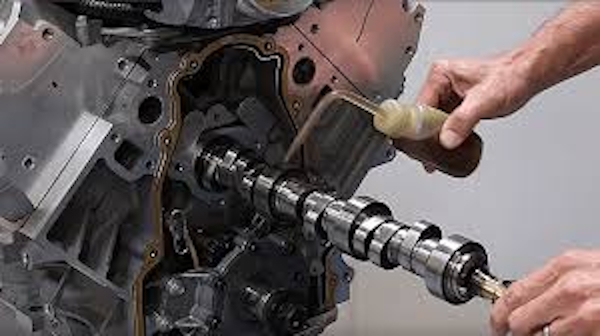
The second typical but predictable issue at high mileage is the wear on the camshaft bearings (bushings) pressed deep within the engine block journals. Since the lone camshaft in an OHV engine endures substantial radial loads from overcoming the resistance of all 16 pushrods, the soft babbitt layer of the bearings gradually wears away. Excessive clearance in these bearings allows oil to bleed off uncontrollably from the main gallery, triggering a critical drop in oil pressure at hot idle—the definitive telltale sign that the block needs a bottom-end rebuild.
To visually grasp the economic gulf in maintenance costs, it helps to contrast the underlying structural components. The table below outlines the core differences between American pushrod V8s and modern overhead-cam alternatives that directly impact shop bills.
| Structural Element | American OHV V8 | Modern DOHC V8 |
| Camshafts | 1 cam deep inside the engine block | 4 cams in the cylinder heads |
| Timing Drive | Ultra-short chain (historically gears) | Long chains, belts, tensioners |
| Valve Train | 16 valves, pushrod/rocker system | 32 valves, direct actuation |
| Cam Phasers (VVT) | 1 unit or completely absent | 2 to 4 complex phaser sprockets |
| Chain Jump Risk | Physically impossible or negligible | High once tensioners and chains wear |
Economics and Diagnostics: Accessibility at Every Stage
The affordable upkeep of an American pushrod V8 is driven by incredible component interchangeability and a total lack of artificial complexity from automakers. Parts for these engines are manufactured by dozens of aftermarket companies, and their baseline lifespan allows you to forget about major repairs for years on end.
The main factors keeping routine maintenance inexpensive boil down to the following points:
-
Gasket sets and rebuild kits are readily available at price points comparable to maintenance parts for economy compact cars.
-
No need for expensive specialty tools or camshaft locking fixtures during assembly.
-
Generous clearance for engine accessories due to the compact footprint of the cylinder heads themselves.
-
The capability to swap lifters and the camshaft without pulling the entire engine out of the bay on many vehicle models.
To maximize the operational life of a pushrod engine and catch valvetrain wear early, owners of high-mileage vehicles should follow a definitive diagnostic protocol. The recommended checklist for evaluating a V8’s health past the 180,000-mile mark includes these steps:
-
Hooking up a mechanical pressure gauge to measure actual oil pressure at full operating temperature to verify the condition of the cam bearings and main journals.
-
Listening to the valve covers and intake manifold using a mechanic’s stethoscope to detect the distinct ticking of worn roller lifters.
-
Pulling the valve covers for a visual inspection of pushrod straightness and checking for uniform oil flow across the rocker arms.
-
Ordering a laboratory oil analysis on used motor oil to detect fine magnetic metal shavings, a definitive early indicator that the case-hardening on the camshaft lobes is failing.
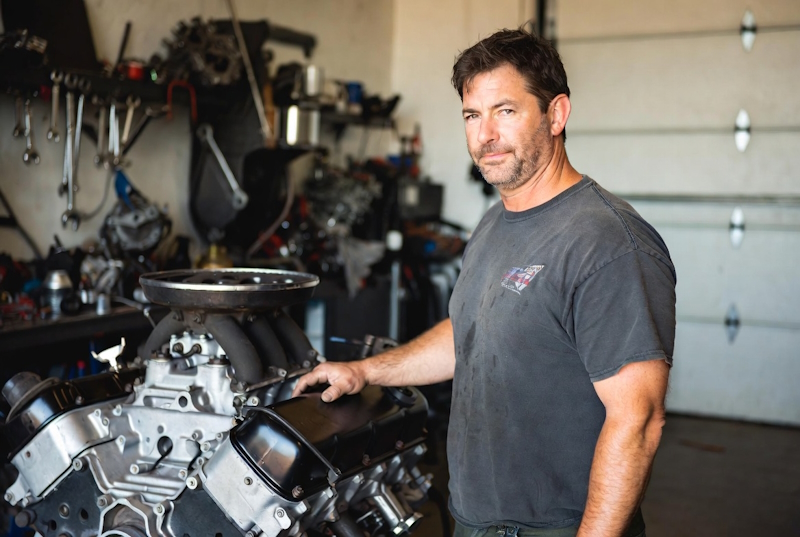
I’m Kevin Harper, an American automotive expert and tuner with more than 20 years of hands-on experience.
I graduated from Texas A&M University with a degree in Mechanical Engineering, with a focus on engine development. I started my professional career working in Texas garages, specializing in tuning classic American V8s and modern pushrod engines, including GM LS-series engines, Chrysler HEMI, Ford Coyote, as well as Modular and Big Block platforms.
I’ve worked on the restoration and extensive modernization of 1960s and 1970s Muscle Cars, built high-output LS swaps for daily-driven pickups and track projects, optimized HEMI engines for forced induction, and worked through the technical details of pushrod engine design — from selecting the right camshafts and cylinder heads to dialing in fuel systems and engine cooling.
I now live in Dallas, Texas, where I continue to work hands-on with performance builds, tuning and testing. In my articles, I explain how American and other engines actually work, which modifications genuinely improve power and reliability, and which ideas are nothing more than garage folklore. I keep the language straightforward without leaving out the technical details that matter, so owners of classic cars and modern V8s can make informed decisions.