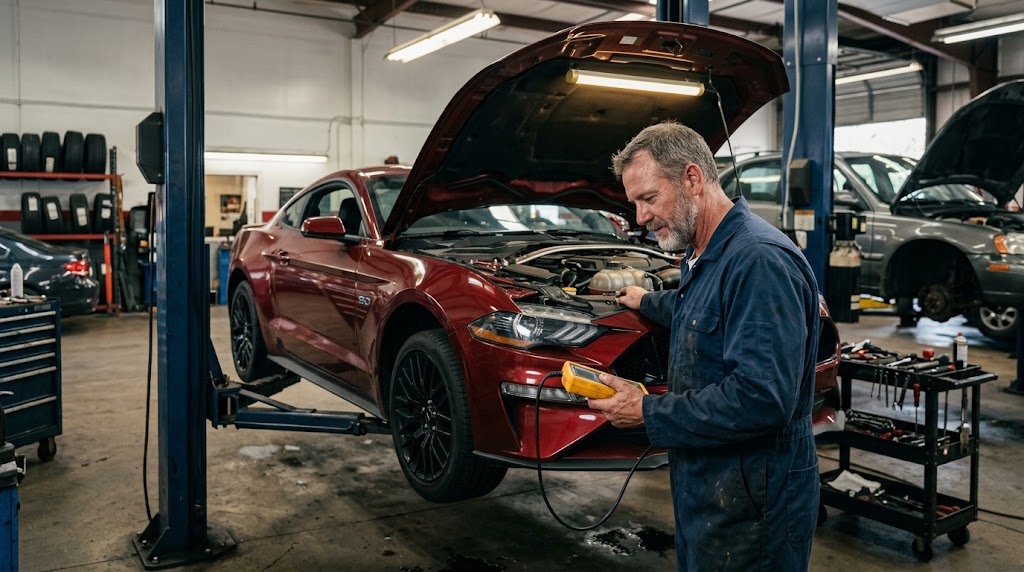
Today, three American performance coupes with high-output V8 engines represent very different engineering approaches, combining traditional powertrain designs with modern technology.
A comparison of the Ford Mustang GT, Chevrolet Camaro SS and Dodge Challenger R/T Scat Pack reveals how their engines, valvetrain layouts, transmissions and potential weak points differ.
In reality, true muscle cars haven’t been produced for a long time. The classic muscle car was built around an affordable big-displacement V8 in a relatively mass-market body, while modern emissions, fuel-economy and safety requirements made that formula far less viable. Automakers therefore preserved the performance-car image in the pony car format — Mustang, Camaro, Challenger/Charger — but with a more modern platform and a wider range of powertrains.
Ford Mustang GT, Chevrolet Camaro SS, Dodge Challenger R/T Scat Pack and Cadillac CTS-V Coupe (as a bonus, produced through 2015) demonstrate very different approaches to maintaining reliability under extreme loads.
The fundamental difference between these cars lies in their valvetrain architecture: of the four, only Ford engineers developed a modern overhead-cam engine (DOHC), while General Motors and Chrysler stayed with the classic overhead-valve design (OHV), using a single camshaft located in the engine block.
See also:
- American Car Inventions That Changed the Auto Industry
- Why Pushrod OHV V8 Engines Last Forever: Full Guide
Ford Mustang GT: the high-revving complexity of the Coyote
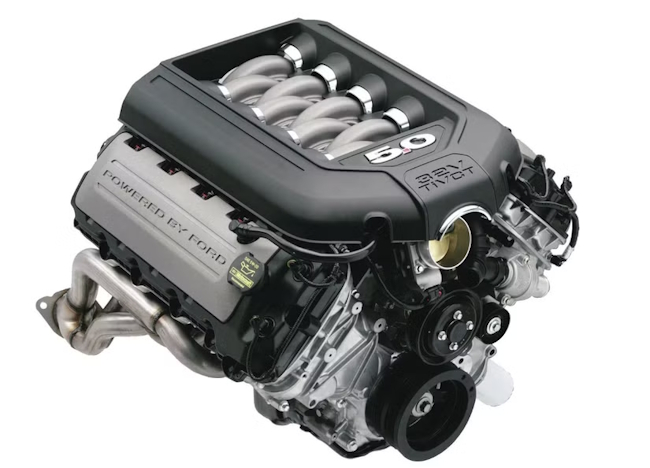
The third-generation 5.0 Coyote engine differs noticeably from traditional American V8s with its dual cylinder banks, four camshafts and 32 valves.
By 2019, Ford had added a dual-injection system combining port fuel injection with direct fuel injection into the cylinders. This setup reduces the likelihood of intake-valve deposits compared with engines that use direct injection alone. The aluminum block uses plasma-sprayed cylinder wall coatings based on Plasma Transferred Wire Arc (PTWA) technology instead of traditional liners, reducing engine weight and improving heat transfer.
One of the Coyote’s distinctive characteristics is valvetrain noise, which owners call the “Coyote tick.” By itself, this sound does not indicate an engine problem: it can be related to injector operation, valvetrain behavior and the characteristics of the lubrication system. If the noise becomes more pronounced or additional symptoms appear, the engine should be diagnosed.
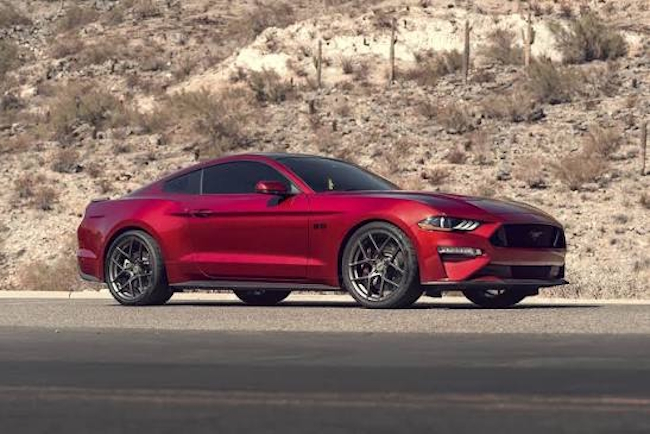
For the Mustang GT with the six-speed manual transmission, the main area of concern remains the Getrag MT82. For 2018–2019 vehicles, Ford issued service documentation covering shift-fork problems, including the 1–2 shift fork. The condition of the mechanism is particularly important with frequent hard shifts and intensive use.
From a longevity standpoint, the 5.0 Coyote is a complex but reliable naturally aspirated V8. Four camshafts, a timing-chain drive and VCT variable camshaft timing add more mechanical components, so at higher mileage it is important to monitor the timing-chain tensioners, guides and chains, as well as the camshaft phasers. With timely oil changes and a properly functioning cooling system, the engine can accumulate substantial mileage without major internal work.
Chevrolet Camaro SS: the high-tech OHV LT1
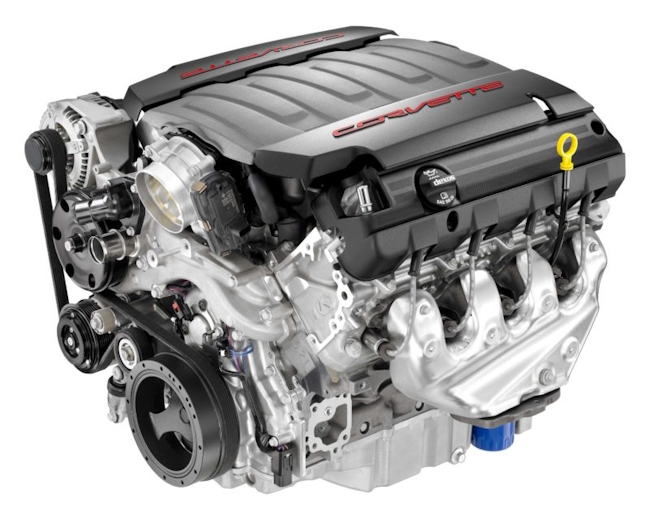
The 2019 Camaro SS is powered by the 6.2-liter LT1, a modern development of GM’s Gen V Small Block family.
Using a single camshaft with lifters and two valves per cylinder keeps the design compact and the engine relatively short. The aluminum block is paired with a high-strength crankshaft and is designed to handle the substantial loads typical of a naturally aspirated V8 of this displacement.
The main area of concern is the Active Fuel Management system (AFM, although its name was changed, but that is not the point here), which uses specialized hydraulic lifters to deactivate some cylinders (down to a single firing cylinder at idle) under light load. Lifters that wear or malfunction can cause characteristic ticking and damage to the camshaft lobes. At higher mileage, it is therefore important to monitor oil pressure, valvetrain condition and lubricant quality.
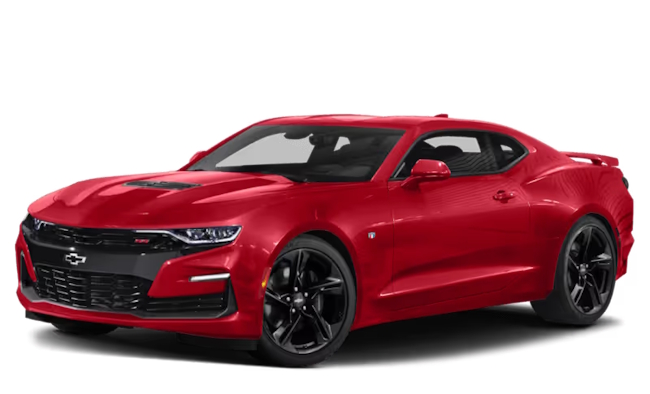
Direct fuel injection does not wash the intake valves with gasoline, so oil and carbon deposits can accumulate on them over time. The rate of deposit formation depends on the condition of the crankcase ventilation system, mileage and driving conditions. Heavy buildup may require mechanical cleaning of the intake passages.
In 2019, the Camaro SS received the ten-speed 10L80 automatic transmission in place of the previous 8L90. The manual version retained the six-speed Tremec TR-6060.
The LT1 has a relatively simple mechanical architecture and does not use the complex multi-cam timing system found in the Coyote. With proper maintenance, the main areas to monitor are the AFM lifters, oil pressure, cooling system and direct-injection fuel system. On cars equipped with the 10L80, transmission-fluid condition and automatic-transmission temperature are additional priorities.
Dodge Challenger R/T Scat Pack: the cast-iron 392 Hemi
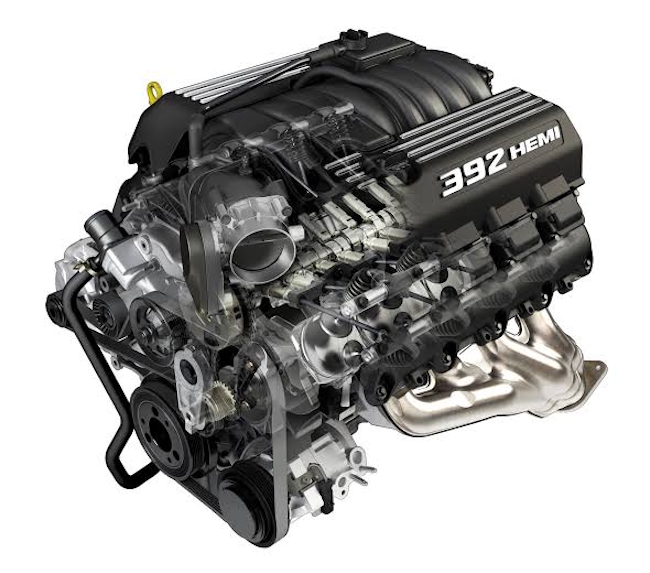
The 2019 Dodge Challenger R/T Scat Pack is powered by a 6.4-liter 392 HEMI V8, also known as the Apache. It is a naturally aspirated OHV V8 with a single camshaft in the block and two valves per cylinder.
The cast-iron block provides high rigidity and resistance to thermal loads. The aluminum cylinder heads use the characteristic HEMI combustion-chamber design. Unlike the LT1, this engine uses port fuel injection, so fuel enters the intake port upstream of the intake valve and reduces the likelihood of deposits accumulating on its working surface.
The main area of concern on the 6.4 HEMI is the valvetrain with hydraulic roller lifters. Wear of a lifter roller or camshaft lobe can produce the characteristic HEMI tick and lead to further camshaft damage. Metal debris from a failed roller can also circulate through the lubrication system. Valvetrain condition is directly affected by oil quality, lubrication-system pressure and operating conditions.
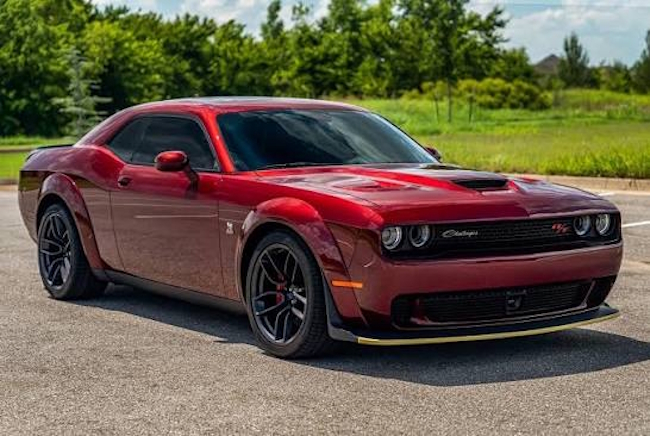
Automatic-transmission versions use the MDS system, which deactivates some cylinders under light load. It also depends on the hydraulic components of the valvetrain remaining in good condition. Under high-load operation, it is especially important to follow the required oil-viscosity specifications and avoid extending oil-change intervals.
In 2019, the Challenger R/T Scat Pack was available with either a six-speed manual transmission or an eight-speed TorqueFlite 8HP70 automatic. The latter belongs to the ZF 8HP family and is designed for high torque, although its service life depends directly on temperature, fluid condition and driving style.
The 6.4 HEMI has a relatively simple design and a strong cast-iron block, but at higher mileage, particular attention should be paid to the lubrication system and valvetrain. Abnormal ticking, changes in oil pressure and signs of lifter wear require diagnosis before camshaft damage develops.
Bonus: Cadillac CTS-V – the supercharged LSA
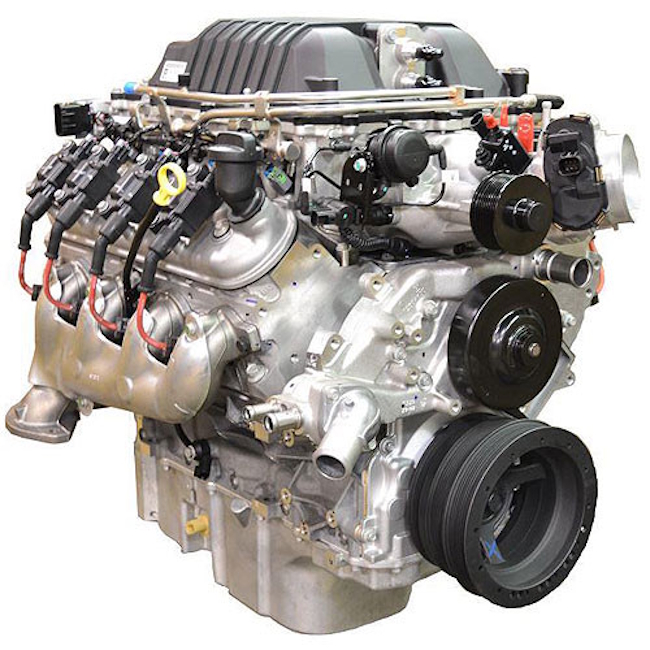
I included this one purely because I love the car. As far as I know, it is practically impossible to find one in the CIS.
The Cadillac CTS-V Coupe ended its production run in 2015 with a 6.2-liter LSA V8 equipped with an Eaton supercharger. The engine produces 556 hp and 747 Nm of torque.
The LSA uses an OHV architecture with a single camshaft and two valves per cylinder. The engine is designed to operate under high boost pressure and includes reinforced components in the cylinder and piston assembly. The Eaton supercharger sits on top of the engine and provides constant boost without the lag associated with turbochargers.
The main area of concern with the LSA is thermal management. The supercharger significantly raises intake-air temperature, so the efficiency of the charge-air cooling system directly affects power consistency. At high intake-air temperatures, the engine management system adjusts operating parameters to protect against detonation.
At higher mileage, the supercharger itself, its bearings and drive system, as well as the intercooler and heat exchangers, should be monitored. A change in supercharger noise, a loss of power or an excessive increase in intake-air temperature requires diagnosis of the boost system.
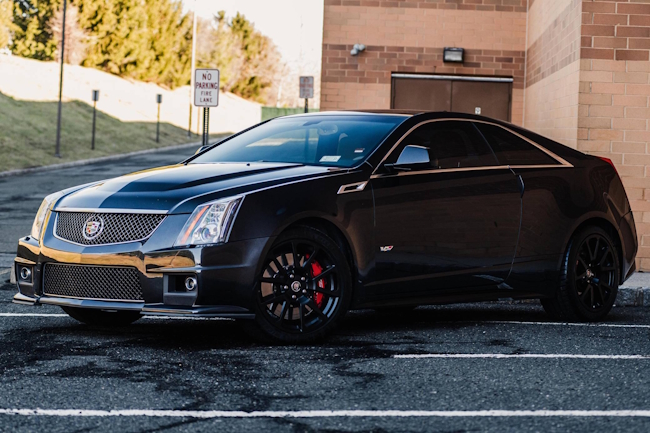
One of the CTS-V Coupe’s distinctive features is the six-speed Hydra-Matic 6L90 automatic transmission. At higher mileage and under intensive use, it can develop harsh shifts, delayed engagement or vibration related to the torque converter, hydraulic system and transmission fluid. The CTS-V Coupe was also offered with a six-speed manual transmission.
The LSA has a strong basic design and substantial power headroom, but the supercharger increases cooling and maintenance demands. When buying a high-mileage CTS-V Coupe, it is necessary to check engine oil pressure, the condition of the engine and charge-air cooling systems, supercharger operation and the condition of the 6L90.
Systematizing powertrain vulnerabilities
Summing up my own experience and knowledge of these models’ technical characteristics, several components stand out as areas that deserve extra attention during operation.
Below are characteristic potential risk areas without suggesting that these failures will necessarily occur on every vehicle.
| Vehicle | Engine characteristics | Potentially vulnerable component |
|---|---|---|
| Ford Mustang GT | DOHC, 32 valves, 5.0 Coyote |
Manual transmission MT82: 1–2 shift fork.
The timing-chain drive and VCT require monitoring of the tensioners, guides and chains at higher mileage.
| Chevrolet Camaro SS | OHV, 16 valves, 6.2 LT1, direct injection | AFM hydraulic lifters on versions with an automatic transmission. |
|---|---|---|
| Dodge Challenger R/T | OHV, 16 valves, 5.7 HEMI | Hydraulic roller lifters and camshaft lobes: wear can be accompanied by the characteristic HEMI tick and camshaft damage. |
| Cadillac CTS-V Coupe | OHV, 16 valves, 6.2 LSA, Eaton supercharger | 6L90 automatic transmission, thermal load on the charge-air cooling system and the supercharger itself. |
On the Mustang GT, the VCT and timing-chain drive generally have good durability, but at higher mileage the chains, guides, tensioners and camshaft phasers still require inspection. The more clearly confirmed problem is the MT82: Ford issued a service bulletin for 2018–2019 Mustangs with the 5.0 and MT82 because of possible failure of the 1–2 shift fork.
On the Camaro SS, the AFM system is used on cars with an automatic transmission and deactivates cylinders under light load; specialized hydraulic lifters perform this function. Their wear can cause valvetrain ticking and camshaft-lobe damage. One clarification is worth adding here. The newer system name is DFM. And DFM is not simply a renamed AFM; it is a more complex system. AFM deactivates a fixed four cylinders, while DFM can deactivate different cylinder combinations, down to a single cylinder firing.
On the 6**.4 HEMI**, the main area of concern is the hydraulic roller lifters and camshaft lobes. When a roller or lobe wears, the characteristic HEMI tick can appear, and continued operation can lead to further destruction of the cam-and-lifter pair and the spread of metal particles through the lubrication system. That makes oil condition, lubrication-system pressure and abnormal valvetrain noise especially important at higher mileage.
On the CTS-V Coupe 2015, the Eaton-supercharged LSA engine has substantial durability margin, but the additional thermal load makes charge-air cooling an important area to monitor. At higher mileage, the supercharger itself, its drive system and bearings should also be checked. The six-speed 6L90 is designed for the LSA’s high torque output, but under intensive use and at higher mileage it requires attention to fluid condition, temperature and torque-converter operation.
When evaluating potential maximum service life with good maintenance, excluding the CTS-V (it is here as a bonus):
- Chevrolet Camaro SS 6.2 LT1 — a simple OHV V8 with strong longevity potential; the weak point is the AFM/lifters on automatic cars.
- Dodge Challenger R/T 6.4 HEMI — a stout naturally aspirated V8, but its service life depends more heavily on lifter and camshaft condition.
- Ford Mustang GT 5.0 Coyote — the Coyote itself is durable, but the 2018–2019 version has a confirmed 1–2 MT82 shift-fork problem.
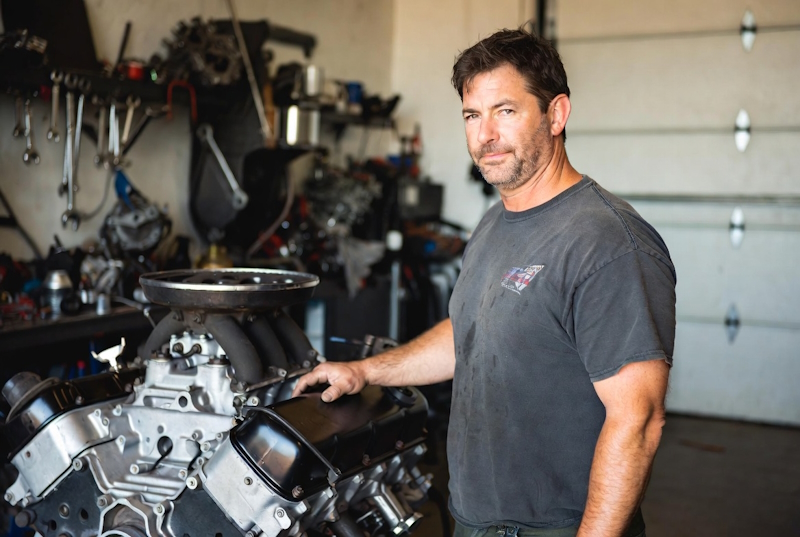
I’m Kevin Harper, an American automotive expert and tuner with more than 20 years of hands-on experience.
I graduated from Texas A&M University with a degree in Mechanical Engineering, with a focus on engine development. I started my professional career working in Texas garages, specializing in tuning classic American V8s and modern pushrod engines, including GM LS-series engines, Chrysler HEMI, Ford Coyote, as well as Modular and Big Block platforms.
I’ve worked on the restoration and extensive modernization of 1960s and 1970s Muscle Cars, built high-output LS swaps for daily-driven pickups and track projects, optimized HEMI engines for forced induction, and worked through the technical details of pushrod engine design — from selecting the right camshafts and cylinder heads to dialing in fuel systems and engine cooling.
I now live in Dallas, Texas, where I continue to work hands-on with performance builds, tuning and testing. In my articles, I explain how American and other engines actually work, which modifications genuinely improve power and reliability, and which ideas are nothing more than garage folklore. I keep the language straightforward without leaving out the technical details that matter, so owners of classic cars and modern V8s can make informed decisions.