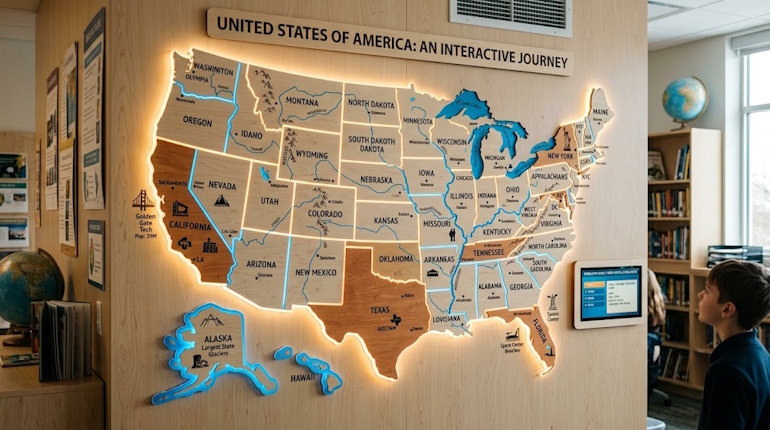
The United States is often associated with densely populated metropolitan areas, yet a significant portion of the country remains almost completely undeveloped.
The population distribution across the country is extremely uneven due to geographic, climate, and economic factors. The least populated states offer a unique combination of untouched nature and specific job market conditions, attracting people who are tired of the fast pace of major urban areas.
These regions have a distinct lifestyle shaped by low population density and their distance from major transportation hubs.
Understanding the economic realities of these areas helps evaluate the true cost of relocation and employment opportunities outside the country’s most popular economic centers.
South Dakota
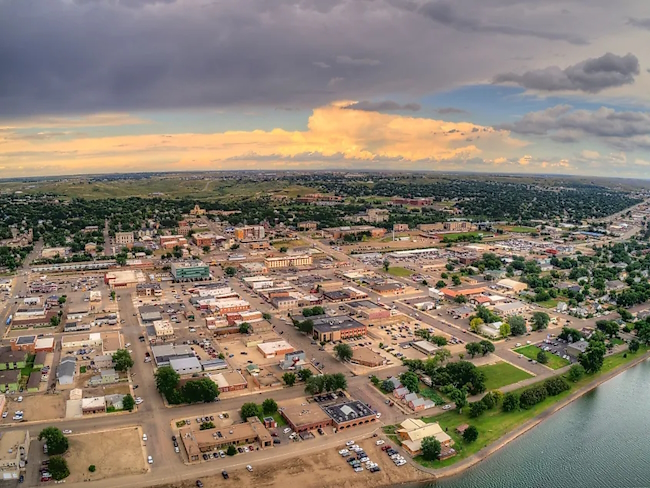
- Capital: Pierre
- Population in 2025: about 910,000 people
- 2025 budget: approximately $7.5–8 billion (47th largest state budget by total size)
South Dakota ranks fifth among the least populated states in the country, with around 910,000 residents spread across a scenic landscape of open prairies and the famous Black Hills. The low population density is linked to the state’s agricultural economic base, distance from major seaports, and a historically established settlement pattern. Most residents live in the eastern part of the state, concentrated around two major population centers — rapidly growing Sioux Falls and the university city of Rapid City, which serves as a cultural and commercial gateway for the region.
South Dakota’s labor market relies on finance, insurance, agricultural processing, tourism, and healthcare services. Due to its business-friendly tax environment, the state has attracted major financial institutions and banking operations that provide thousands of stable jobs for analysts and managers. Tourism around national parks and landmarks supports thousands of seasonal workers during the summer, while the agricultural sector continues to require specialists across a wide range of fields.
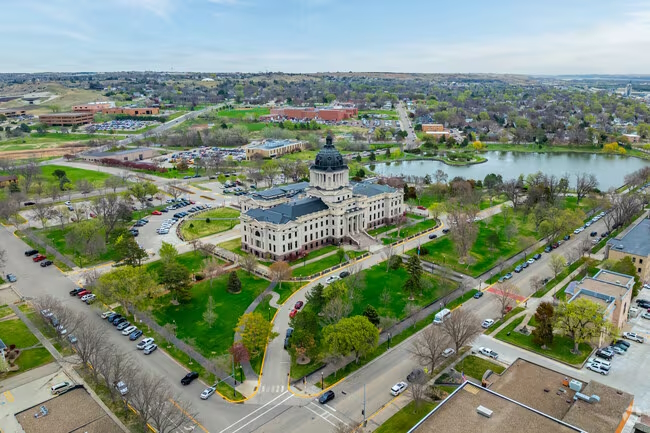
The quality of life continues to attract domestic migrants from more expensive states because of lower taxes and a high level of personal safety. The state has no personal income tax at the state level, making it especially attractive for business owners and people focused on building wealth. Residents value clean air, the natural beauty of the Black Hills region, and a slower pace of life that allows them to balance career goals with outdoor recreation without spending hours stuck in daily traffic.
Average household incomes continue to show steady growth and generally range from about $58,000 to $63,000 per year. Employees in finance, corporate IT departments, and specialized healthcare roles typically earn significantly higher salaries. The cost of living remains noticeably below the national average, allowing many residents to maintain financial stability even with moderate incomes.
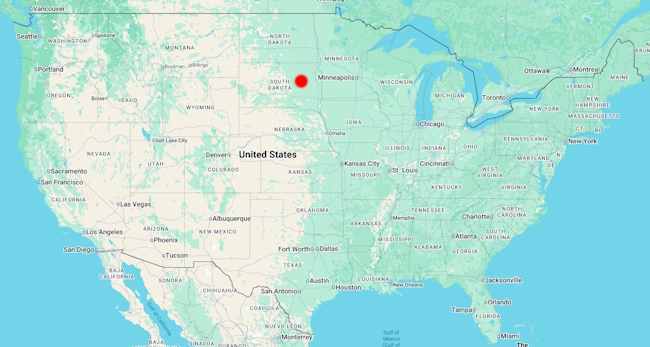
Housing costs remain relatively affordable, although prices in fast-growing Sioux Falls have increased noticeably in recent years. The average price of a single-family home is approximately $310,000–$330,000. Renting a comfortable apartment in a desirable neighborhood usually costs around $850–$1,100 per month, making the state an attractive starting point for young families who want to purchase a home without taking on overwhelming mortgage payments.
North Dakota
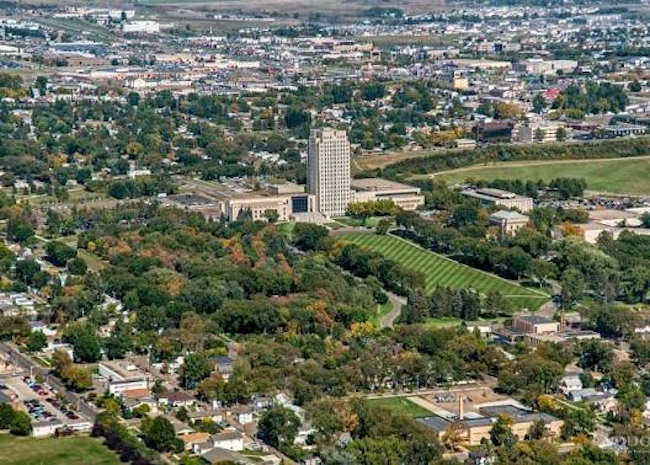
- Capital: Bismarck
- Population in 2025: about 784,000 people
- 2025 budget: approximately $6.5–7 billion (45th largest state budget by total size)
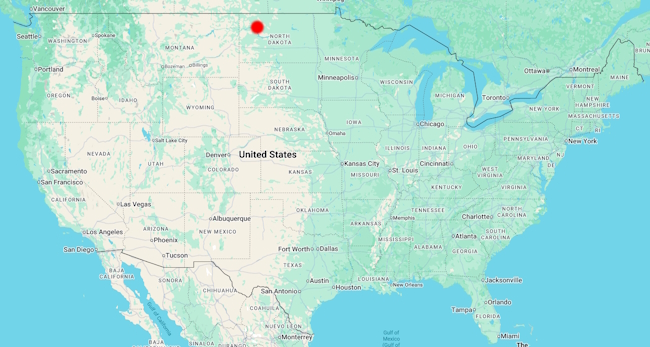
North Dakota ranks fourth among the least populated states, with roughly 780,000 residents across a vast territory. The state’s sparse population is largely explained by its harsh continental climate with severe windy winters, its distance from major coastal regions, and the historical dominance of agriculture. Most residents are concentrated in several key cities, including the largest city Fargo, rapidly developing energy centers in the oil-producing western region, and the state capital Bismarck. Vast areas are covered by farmland and open grazing land, leaving little room for dense urban development.
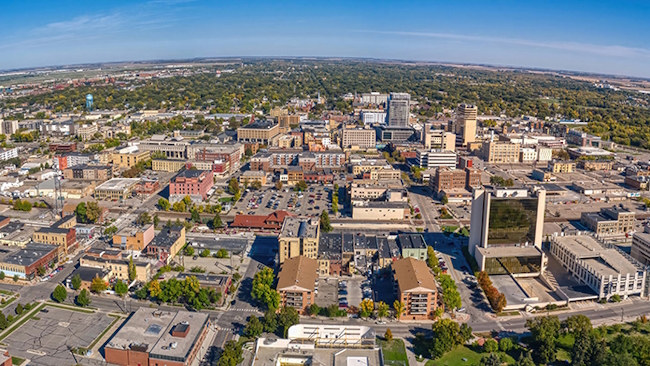
The state’s economy is built around large-scale agriculture, grain production, and extensive oil extraction using hydraulic fracturing technology. The oil industry in western North Dakota creates a large share of employment opportunities for engineers, geologists, truck drivers, and heavy equipment operators. Healthcare, financial services, and food production also maintain steady demand for workers. Office and technology positions are easier to find in university communities, while industrial jobs dominate the western part of the state.
The quality of life is defined by a strong middle class, low unemployment, and an absence of big-city stress. Local communities are known for traditional values, safety, and infrastructure suitable for family living. Residents often mention the friendly atmosphere of smaller towns, although owning a personal vehicle is essential because of the enormous distances between services and the challenges caused by heavy winter snowfall.
Average salaries in North Dakota typically range from about $60,000 to $65,000 per year. Skilled professionals in oil production, energy, and agribusiness often earn considerably more, frequently exceeding $90,000 annually. Moderate prices for essential services and strong competition among employers help maintain high purchasing power, allowing many households to live comfortably.
The housing market remains highly affordable compared with coastal states. The average price of a traditional single-family home is approximately $320,000–$350,000, while smaller communities often offer significantly cheaper options. Renting a spacious apartment in Bismarck or Fargo generally costs around $900–$1,200 per month. Utility expenses can increase significantly during winter months because homes require intensive heating during periods of extreme cold.
Alaska
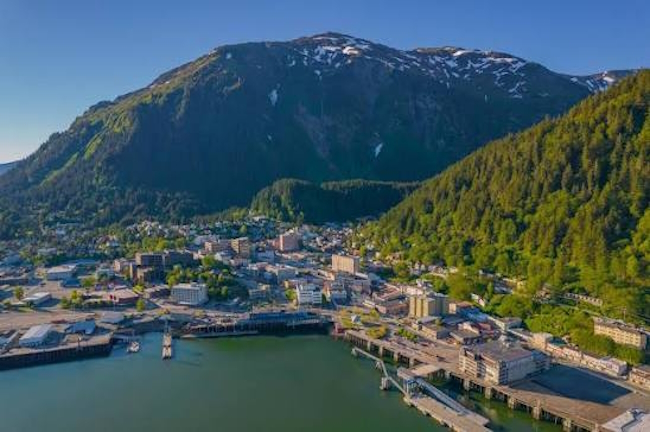
- Capital: Juneau
- Population in 2025: about 733,000 people
- 2025 budget: approximately $11–12 billion, including oil funds and federal programs (42nd largest state budget by total size)
Alaska ranks third among the least populated regions in the United States, with a population of just over 730,000 people despite its enormous territory. An extremely cold climate, polar nights, complex logistics, and complete geographic isolation from the rest of the country are the main barriers preventing large-scale migration. Most residents live in a few urban areas. The vast majority of the population is concentrated in Anchorage, Fairbanks, and the state capital Juneau, which is not connected to the rest of Alaska by road.
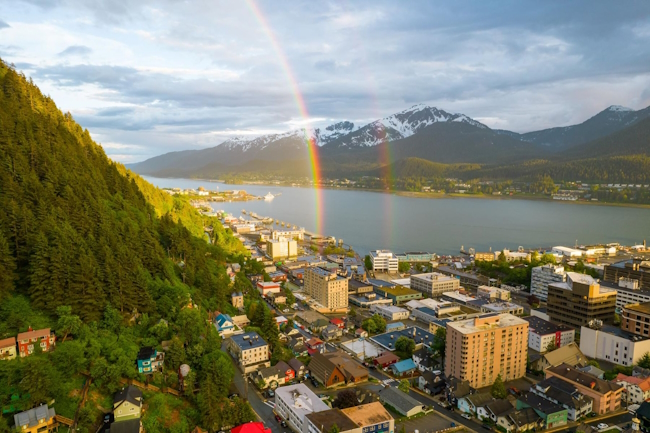
Employment opportunities in Alaska are closely tied to natural resource extraction, fishing, the military sector, and government services. Oil companies form the backbone of the economy, offering rotational work schedules with high wages. Seasonal seafood processing also attracts thousands of temporary workers. Larger cities have demand for engineers, small aircraft pilots, healthcare professionals, and logistics specialists.
The quality of life in Alaska is highly unique because of its geographic isolation. The state provides annual dividends from oil revenues to eligible permanent residents, creating an additional source of household income. The region’s natural beauty is unmatched, but residents must accept higher food prices, long winters, and limited access to the type of entertainment and services available in major metropolitan areas.
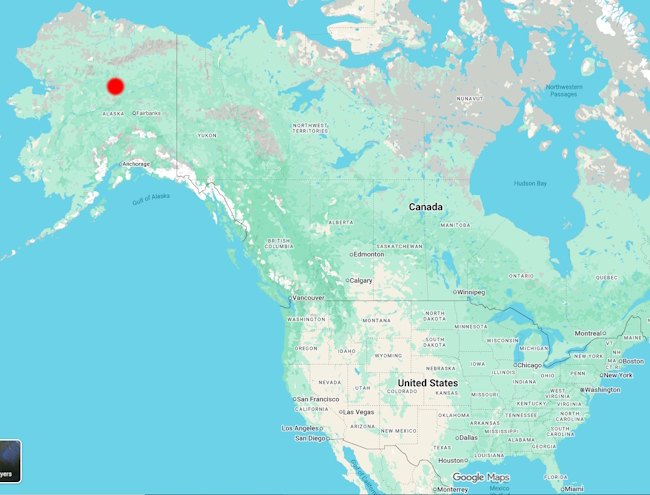
Wages in Alaska traditionally exceed national averages. The typical worker earns approximately $70,000–$75,000 per year. Experienced professionals in the oil industry and skilled commercial fishermen can earn more than $100,000 annually. Higher salaries are designed to offset challenging weather conditions and the increased costs associated with maintaining basic living standards in remote areas.
The housing market varies significantly depending on location. In Anchorage, the average home costs approximately $350,000–$400,000. Building new housing is extremely expensive because construction materials often have to be transported by sea or air. Utility bills, especially winter heating costs, represent a major portion of household expenses for homeowners.
Vermont
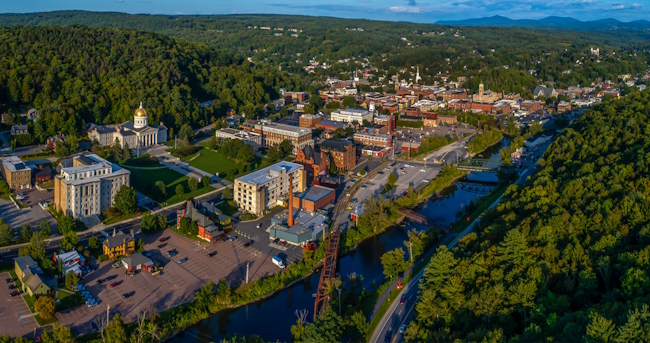
- Capital: Montpelier
- Population in 2025: about 647,000 people
- 2025 budget: approximately $8.5–9 billion, including federal funding (48th largest state budget by total size)
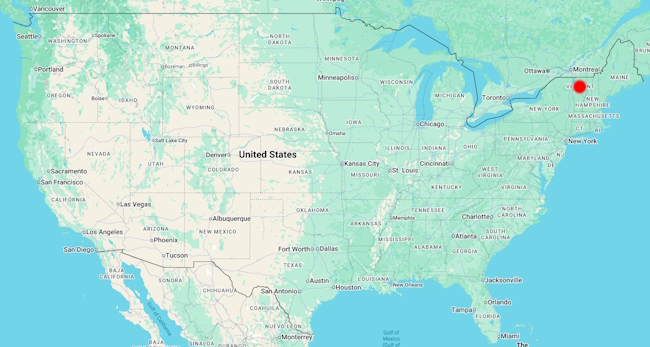
Vermont is located in the northeastern United States and remains the second least populated state, with approximately 645,000 residents. The lack of rapid population growth is largely explained by strict land-use and zoning regulations designed to protect natural areas from aggressive development, along with cold and snowy winters. Residents are spread across small, charming communities. The largest city is Burlington, followed by South Burlington, Rutland, and the small state capital of Montpelier.
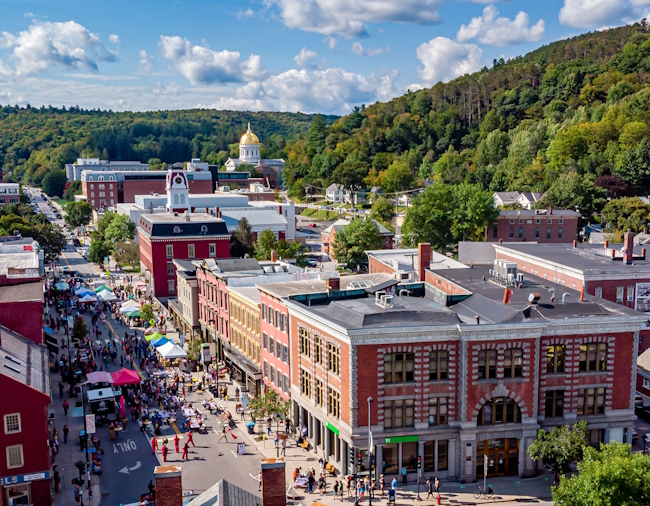
Vermont’s economy is based on healthcare, education, craft manufacturing, and specialized agriculture. The state is known for maple syrup production, artisan food products, and a strong winter tourism industry. Unlike larger states, Vermont does not have major corporations or large industrial complexes, so many jobs are created by small businesses and government institutions. Healthcare professionals and educators consistently find stable employment opportunities in the local job market.
The quality of life in Vermont is widely considered among the highest in the United States. The state regularly ranks among the safest, healthiest, and most environmentally clean places to live. Residents have access to high-quality farm products, clean air, and excellent opportunities for outdoor recreation. The downside of this lifestyle includes higher property taxes and strict environmental regulations that can make business development more difficult.
Average salaries in Vermont are around $60,000 per year. Doctors, senior healthcare professionals, and university faculty earn significantly more, while agricultural workers and tourism employees often receive more modest wages. The high cost of consumer goods is an important factor, meaning real purchasing power may feel lower compared with states in warmer southern regions.
Housing is considered one of the state’s biggest challenges because of a limited supply of available properties. Strict environmental regulations slow the construction of new apartment complexes. The average home price exceeds $380,000, while popular areas near Burlington can easily surpass the $500,000 mark. Apartment rentals are also expensive, forcing many residents to share housing or search for more affordable options in rural areas.
Wyoming
- Capital: Cheyenne
- Population in 2025: about 584,000 people
- 2025 budget: approximately $3.5–4 billion (49th largest state budget by total spending among all U.S. states)
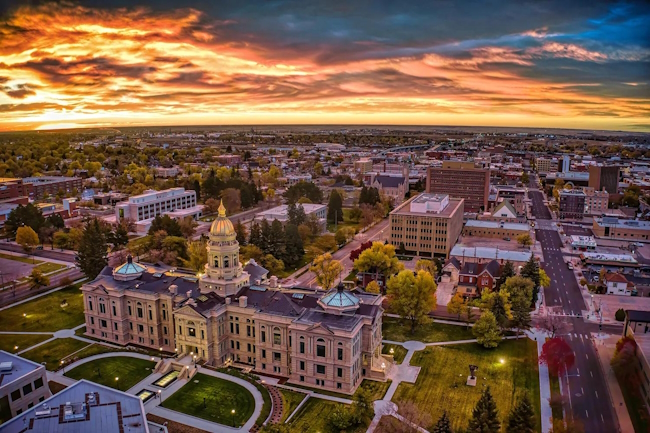
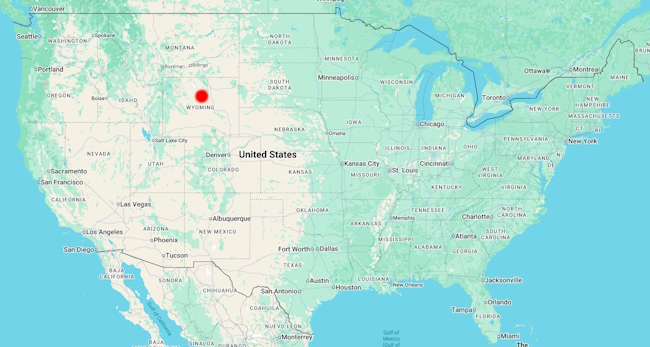
Wyoming ranks first among the least populated states in America, with fewer than 600,000 residents. The main reasons for its sparse population include a harsh continental climate, challenging mountain terrain, and historically limited transportation infrastructure. Most residents live in a small number of communities, including the capital Cheyenne, as well as Casper and Laramie. Large areas are occupied by national parks and Native American reservations, physically limiting the amount of land available for large-scale residential development.
Wyoming’s labor market has a strong natural-resource focus. Most employment opportunities come from mining, energy production, and agriculture. Specialists in coal, oil, and natural gas extraction remain among the most in-demand workers, although tourism and service industries have expanded in recent years. Finding office-based employment is objectively more difficult here than for skilled tradespeople, engineers, and industrial specialists.
The standard of living is considered comfortable due to the state’s unique tax policy. Wyoming is one of the few states in the country without a state personal income tax. This attracts wealthy retirees and entrepreneurs who want to optimize their financial situation. At the same time, residents benefit from excellent environmental conditions, very low crime rates, and virtually no traffic congestion.
Income levels in Wyoming depend heavily on the chosen industry. The average annual income for workers ranges between $60,000 and $65,000. Employees in the oil and gas sector and experienced engineers can earn more than $90,000 per year. Hospitality and tourism jobs generally offer lower wages, but the absence of state income tax allows workers to keep a larger share of their earnings.
Housing costs remain reasonable compared with coastal markets. The average price of a traditional single-family home is around $320,000, although properties in premium tourist destinations such as Jackson Hole can reach several million dollars. Renting a modest apartment in the capital costs approximately $1,000 per month, making Wyoming an attractive option for young families and remote workers.

Welcome to Poznayu.com!
My name is Alex, and I founded this project together with a team of like-minded professionals. At Poznayu.com, we create in-depth reviews, explore fascinating facts, and share well-researched, reliable knowledge that helps you navigate complex topics with confidence.
Our mission is simple: to explain complicated ideas in clear, accessible language. We believe that high-quality information should be available to everyone. Every article we publish is designed to provide practical value, actionable insights, and trustworthy analysis you can rely on.
Join our growing community of curious readers. Your feedback matters — share your thoughts in the comments, ask questions, and suggest topics you’d like us to cover next.