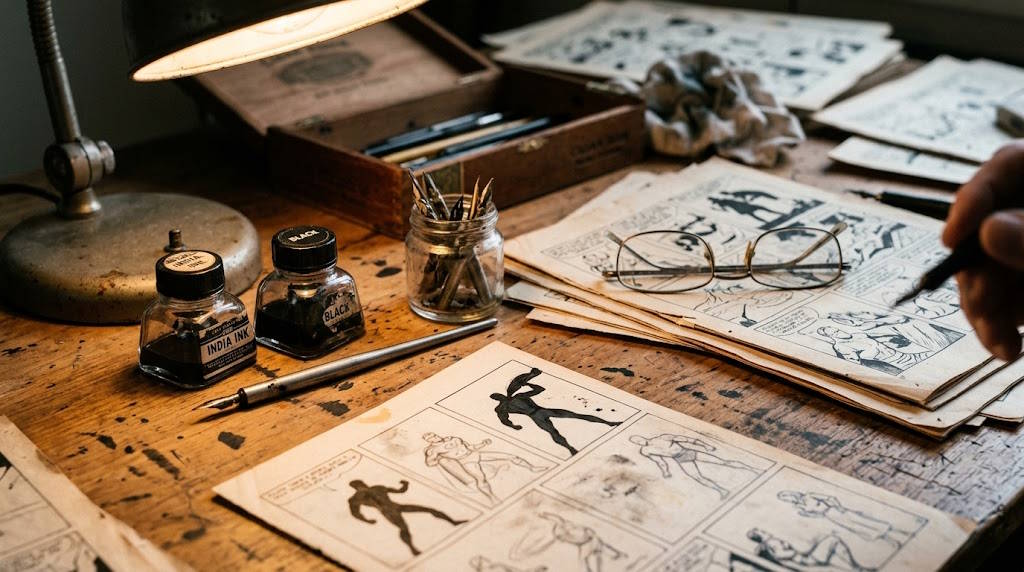
The rise of superheroes in pulp comic books during the first half of the twentieth century reflected America’s response to seismic historical events, including the Great Depression, World War II, and the Cold War.
Writers and artists, many of them from poor immigrant families, channeled collective fears and hopes into illustrated stories, creating a new pantheon of modern myths.
Iconic comic book characters emerged as more than commercial products. Each reflected the social concerns of its era, evolving alongside their readers from simple archetypes into psychologically complex figures.
The Evolution of Iconic Comic Book Heroes and Villains
Over nearly a century, superheroes and their nemeses have evolved from one-dimensional propaganda figures into some of modern culture’s most complex archetypes.
Changes in their visual designs, moral codes, and personal motivations have consistently reflected shifts in psychology, technological progress, and the social anxieties of successive generations.
Superman: The Genre’s First Archetype
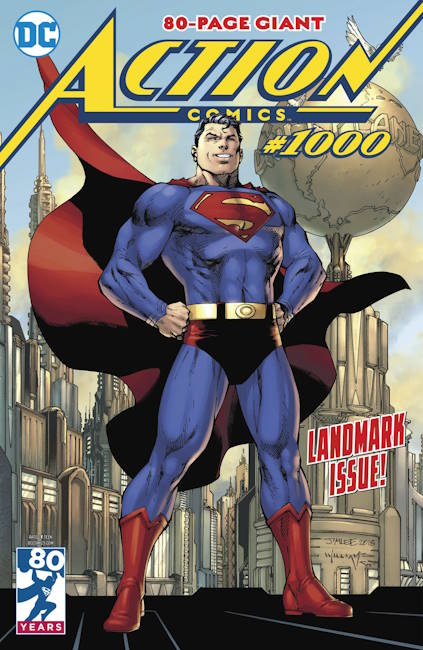
Writer Jerry Siegel and artist Joe Shuster created Superman, the Man of Steel, in 1938 for the debut issue of Action Comics.
The creators originally envisioned a bald telepathic villain bent on world domination. They soon realized, however, that the emerging industry needed a symbol of hope. Superman’s final origin became a powerful allegory for the experience of Jewish immigrants in America. Like the biblical Moses, the infant Kal-El escapes a doomed world, Krypton, and grows up on a Kansas farm, adapting to human society under the guise of an awkward reporter named Clark Kent.
Superman’s look drew directly from the aesthetic of circus strongmen popular in the 1930s: a skin-tight costume and cape designed to emphasize his exaggerated musculature. In his earliest appearances during the Great Depression, he wasn’t fighting cosmic threats. Instead, he acted as a social avenger, taking on corrupt politicians, greedy landlords, and abusive husbands.
Superman established a foundational model for the entire comic book industry, combining a secret identity, extraordinary superhuman abilities, and an unwavering moral compass for the first time.
Batman: Gotham’s Dark Detective
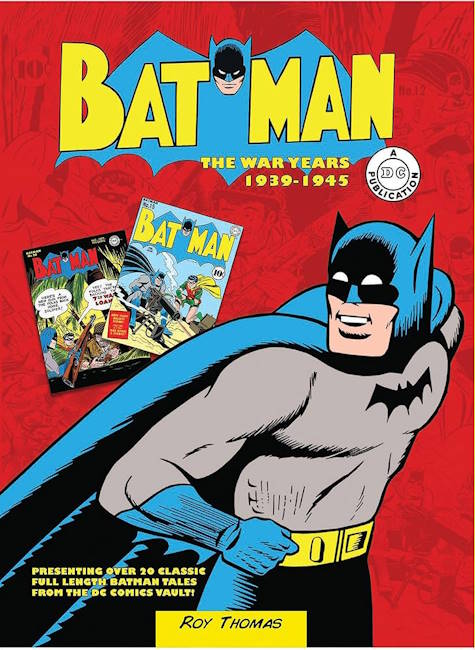
The Dark Knight debuted in Detective Comics #27 in 1939 as a darker commercial response to Superman’s overwhelming success.
Bob Kane was long credited as Batman’s sole creator, but writer Bill Finger played a crucial role in shaping the character. Finger rejected the original design, which featured a red suit and rigid wings, and proposed a scalloped cape, a cowl with bat-like ears, and a darker color scheme. He also came up with the name Gotham for Batman’s city.
Unlike Superman, Bruce Wayne had no innate superpowers. His character drew on pulp detective fiction from the noir era, Zorro films, and Leonardo da Vinci’s ornithopter designs. The driving force behind Batman was the profound psychological trauma of losing his parents, which led him to turn his intellect, wealth, and theatrical flair into weapons against the criminal underworld.
Batman proved to publishers that a vulnerable protagonist and a dark, unsettling atmosphere could attract adult readers just as effectively as all-powerful saviors in brightly colored costumes.
The Joker: Chaos Incarnate
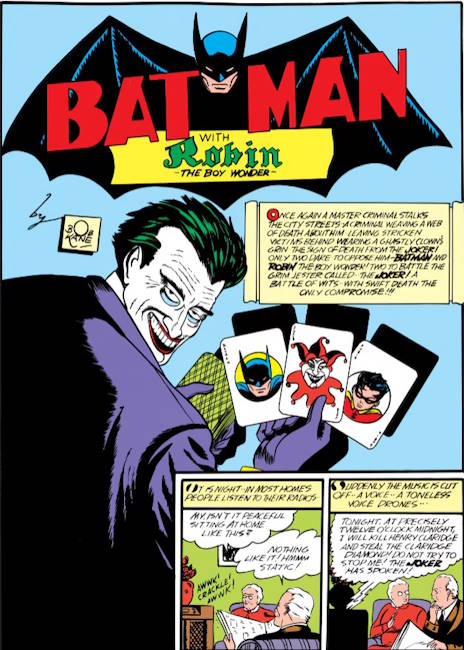
Gotham’s most notorious villain made his debut in the first solo issue of Batman in the spring of 1940.
The character originated with a playing-card joker sketch by Jerry Robinson. Bill Finger then drew visual inspiration from a photograph of actor Conrad Veidt in the 1928 silent film The Man Who Laughs. Veidt’s fixed, grotesque smile became the foundation for Batman’s perfect opposite. Where the Dark Knight represented grim order, the Clown Prince of Crime embodied flamboyant, unpredictable chaos.
Over the decades, the Joker underwent radical transformations. He began as a cold-blooded serial killer, but strict censorship under the Comics Code Authority in the 1950s reduced him to a harmless prankster. His return to his psychopathic roots came in the 1970s, when writer Dennis O’Neil reimagined him as an obsessive madman whose actions lacked rational motives and served only to destroy Batman psychologically.
The Joker’s lack of a definitive, canonical origin remains one of his greatest strengths. It makes him an unpredictable force of nature rather than simply another criminal shaped by a troubled past.
Spider-Man: The Neighborhood Superhero
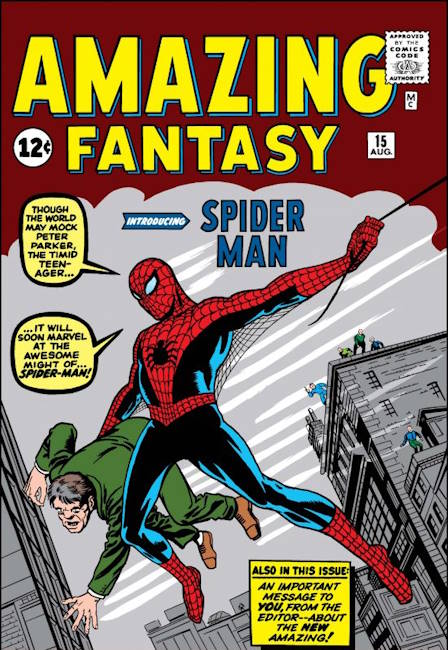
In 1962, Stan Lee and Steve Ditko introduced a character in Amazing Fantasy #15 who broke nearly every unwritten rule of the comic book industry.
Until Peter Parker came along, teenagers in comics were generally limited to supporting roles alongside adult heroes, such as Robin with Batman. Lee wanted to make a teenager the central character instead. Publisher Martin Goodman initially rejected the idea, arguing that people instinctively hated spiders and that the hero himself seemed too troubled and insecure.
Spider-Man stood out because Peter Parker was so relatable. He suffered from allergies, faced bullying at school, constantly scrambled to pay Aunt May’s bills, and had to sew up the costume he tore during fights. Steve Ditko designed a fully enclosed mask that allowed readers of any race or appearance to identify with the hero. The tragic death of Peter’s Uncle Ben also established the character’s defining principle: with great power comes great responsibility.
Spider-Man permanently shifted the genre’s focus away from untouchable, godlike figures and toward ordinary people, proving that a hero’s everyday struggles could be just as compelling as spectacular battles.
Venom: From Alien Suit to Antihero
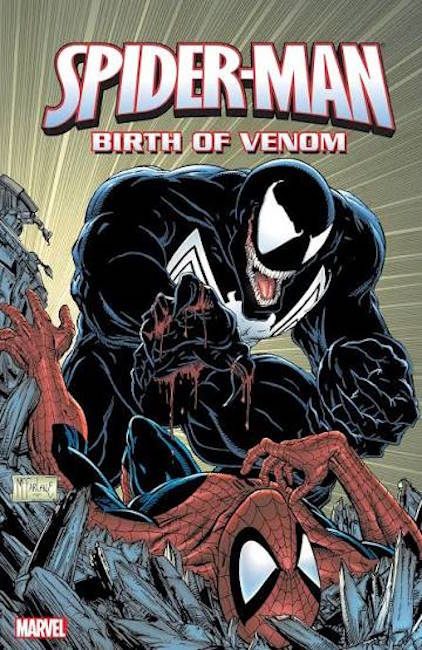
Venom’s origin is unusual because it began with an idea from an ordinary fan. In 1982, reader Randy Schueller proposed a black costume for Spider-Man, and Marvel purchased the concept for $220.
The costume debuted in the 1984 crossover Secret Wars, but Venom didn’t become a fully developed character until 1988, thanks to writer David Michelinie and artist Todd McFarlane. The alien parasite, rejected by Peter Parker, bonded with disgraced journalist Eddie Brock, bringing their mutual hatred of Spider-Man together.
McFarlane gave the antagonist a terrifying, exaggerated physique: an oversized jaw, rows of fangs, unnaturally developed muscles, and a long, prehensile tongue. The design perfectly captured the late-1980s appetite for brutal, uncompromising characters. Venom’s motivation also differed sharply from conventional world-conquering villains. He was driven by personal revenge and a twisted sense of justice that extended to protecting the innocent.
The monster’s enormous popularity soon forced Marvel to move him beyond the role of outright villain. Venom became the Lethal Protector, helping establish the ruthless antihero as a lasting comic book archetype.
Wonder Woman: A Feminist Answer to the Genre
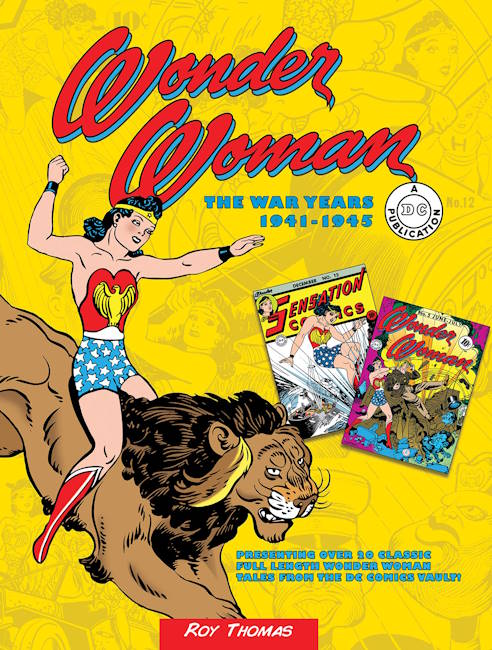
Diana, the Amazon princess, debuted in 1941 through the collaboration of William Moulton Marston, a psychologist and one of the inventors of the polygraph, and artist Harry G. Peter.
After studying the comic book market, Marston concluded that the industry needed a hero who could defeat enemies through love, empathy, and psychological dominance rather than brute force. The character also reflected Marston’s personal life: he lived in a polyamorous relationship with two remarkable women, Elizabeth Holloway and Olive Byrne.
Wonder Woman’s mythology drew heavily on Greek epic traditions and early feminist thought. Her famous Lasso of Truth directly reflected Marston’s scientific research into lie detection. The heroine’s home on the isolated island of Themyscira offered readers a utopian vision of a matriarchal society free from male aggression, war, and prejudice, where intellectual ability and physical excellence were valued.
Diana broke through the male-dominated world of early comic books, establishing a lasting standard for an independent, powerful female superhero who wasn’t defined by gender stereotypes.
Iron Man: The Capitalist in Armor
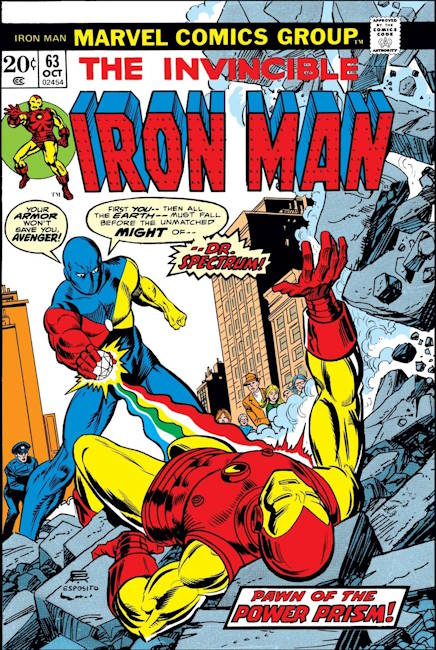
In 1963, writers Stan Lee and Larry Lieber, along with artists John Romita and Jack Kirby, challenged the prevailing mood of left-wing youth activism by creating Tony Stark.
At the height of the Cold War and antiwar protests, Lee deliberately provoked readers by asking them to root for a weapons dealer, a cynical capitalist, and a supplier to the U.S. military. The character was modeled on Howard Hughes, the eccentric billionaire, inventor, and playboy.
Iron Man came to embody the dual nature of technological progress: its capacity to destroy as well as save lives. Shrapnel lodged near his heart while he was held captive left Stark physically compromised and forced him to rely on his intellect. Unlike heroes who acquired their powers by accident, Tony Stark engineered his own capabilities, continually upgrading his armor to meet an ever-changing landscape of global threats.
Through Iron Man, the comic book industry translated the anxieties of the nuclear age into a story of personal redemption and relentless technological advancement.

Welcome to Poznayu.com!
My name is Alex, and I founded this project together with a team of like-minded professionals. At Poznayu.com, we create in-depth reviews, explore fascinating facts, and share well-researched, reliable knowledge that helps you navigate complex topics with confidence.
Our mission is simple: to explain complicated ideas in clear, accessible language. We believe that high-quality information should be available to everyone. Every article we publish is designed to provide practical value, actionable insights, and trustworthy analysis you can rely on.
Join our growing community of curious readers. Your feedback matters — share your thoughts in the comments, ask questions, and suggest topics you’d like us to cover next.