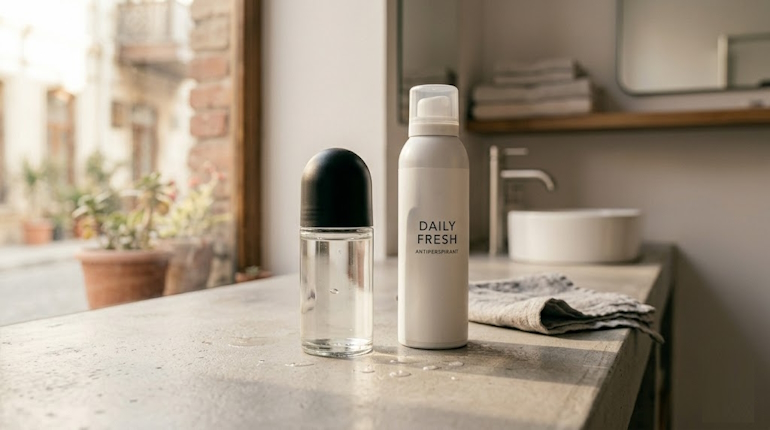
Deodorant and antiperspirant are two completely different personal care products, even though people constantly mix them up at the store. The main difference comes down to how they actually work: deodorants neutralize body odor, while antiperspirants temporarily block sweat production.
Understanding these physiological differences makes it easy to choose the right product for your daily hygiene routine, high-intensity workouts, or stressful situations.
How Deodorants Work
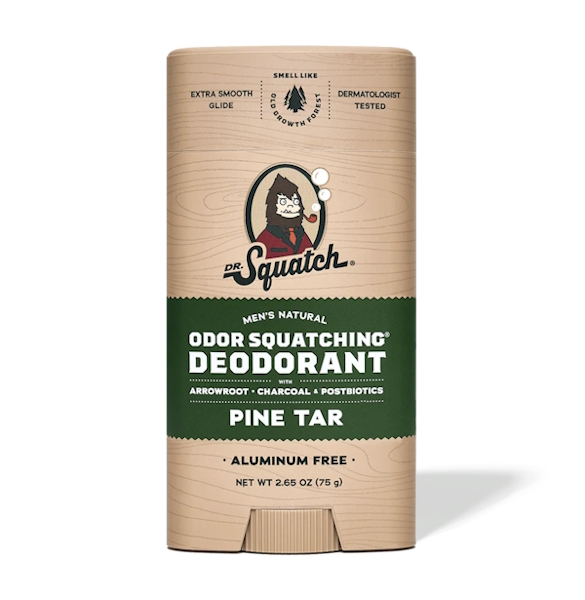
On its own, human sweat is mostly just water and salt, meaning it’s practically odorless.
That distinct, funky body odor actually happens when bacteria thrive and multiply in the warm, damp environment of your underarms. Deodorants pack antibacterial ingredients, like alcohol or specific acids, alongside fragrances. These target and suppress bacterial growth while masking odor with a fresh scent—all without messing with your body’s natural cooling process.
Word Origin:
- Deodorant comes from the English word deodorant (where de- means to remove, and odor means smell).
How Antiperspirants Work
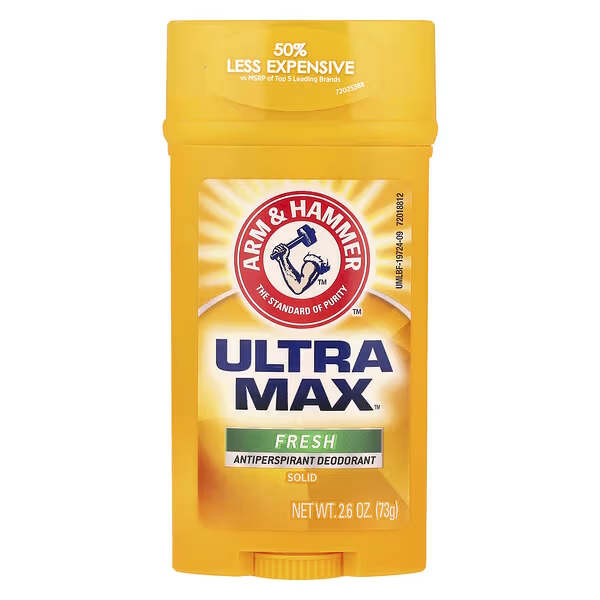
Antiperspirants take a completely different approach by messing directly with the mechanics of sweating.
They use aluminum or zirconium salts that react with moisture on your skin to form a temporary, gel-like plug inside your apocrine sweat glands. This blocking effect keeps moisture from breaking through to the skin’s surface, keeping your underarms completely dry and starving bacteria of the damp breeding ground they need to survive.
Word Origin:
- Antiperspirant comes from the English word antiperspirant (where anti- means against, and realize/perspire means to sweat).
A Side-by-Side Comparison
To easily spot the key differences between these two personal care products, it helps to weigh their core features. The main factors affecting daily use and your ultimate buying decision are broken down in the table below.
| Feature | Deodorant | Antiperspirant |
| Primary Function | Eliminates odor | Blocks sweat |
| Active Ingredients | Antiseptics, fragrance | Aluminum and zirconium salts |
| Duration | 3 to 12 hours | 24 to 72 hours |
| Impact on Glands | None | Temporarily narrows ducts |
Product Selection Criteria
Picking the right product depends entirely on your daily activity levels and how your body works. Dermatologists offer a few straightforward tips on how to choose the right format for your routine:
-
Deodorant is best for light-to-moderate sweaters and low-key desk jobs.
-
Antiperspirant is a must-have if you deal with clinical hyperhidrosis, hit the gym hard, or have a high-stakes public speaking gig.
-
Combination products (deodorant-antiperspirants) offer the best of both worlds, giving you long-lasting dryness along with a clean, fresh scent trail.
Guidelines for Safe Application
Getting the most out of your product while keeping your skin happy requires following the instructions to a T. To prevent skin irritation and get the exact results promised on the label, stick to this simple routine:
-
Hop in the shower and thoroughly wash your underarms using soap or body wash.
-
Completely dry your skin with a clean towel, as the active sweat-blocking ingredients won’t work right on damp skin.
-
Swipe or spray on a thin layer and let it dry completely before letting it touch your clothes.
The Bottom Line
Ultimately, choosing between an odor neutralizer and a sweat blocker comes down to your personal needs and lifestyle.
-
If you have a relaxed schedule and just want to stay fresh, a lightweight antibacterial spray is plenty.
-
If your main priority is complete protection against wet spots on your clothes during a grueling workday, grab a product containing aluminum salts—just make sure to thoroughly wash it off before heading to bed.
Disclaimer: Aluminum salts can trigger contact dermatitis, itching, and clogged sweat glands (hidradenitis suppurativa) if not properly washed off. Meanwhile, scientific myths linking them to breast cancer or Alzheimer’s disease have been thoroughly debunked by leading medical organizations.

Welcome to Poznayu.com!
My name is Alex, and I founded this project together with a team of like-minded professionals. At Poznayu.com, we create in-depth reviews, explore fascinating facts, and share well-researched, reliable knowledge that helps you navigate complex topics with confidence.
Our mission is simple: to explain complicated ideas in clear, accessible language. We believe that high-quality information should be available to everyone. Every article we publish is designed to provide practical value, actionable insights, and trustworthy analysis you can rely on.
Join our growing community of curious readers. Your feedback matters — share your thoughts in the comments, ask questions, and suggest topics you’d like us to cover next.