In the wild, muscle mass never exists for aesthetic purposes. It serves only as a survival tool — helping animals hunt, obtain food, defend territory, and escape threats.
Evolution ruthlessly eliminates any energy-consuming tissue that does not provide a direct advantage. That is why an animal’s muscle mass is always carefully balanced with its lifestyle, and the highest muscle-to-body-weight ratios appear only in species that require explosive power or extraordinary speed.
When evaluating the physical potential of wildlife, biologists focus not on absolute size but on the relative proportion of skeletal muscle:
A massive elephant or blue whale may have an enormous body weight, yet the percentage of muscle tissue in their bodies is significantly lower than in smaller but highly specialized predators and herbivores.
The true athletes of the animal kingdom are species whose anatomy has evolved into highly efficient biological engines with minimal fat and non-functional tissue.
Building such a body requires enormous energy expenditure. Muscles consume significant calories even at rest, forcing extremely muscular animals either to hunt constantly or develop highly specialized digestive systems.
Studying these biological machines helps scientists better understand the mechanisms of muscle hypertrophy, movement biomechanics, and the physical limits of warm-blooded organisms.
The ranking of the most muscular and physically powerful species is based on the percentage ratio of lean muscle mass to total body weight.
The animals below demonstrate extreme anatomical adaptations where every gram of tissue is optimized to generate maximum force.
Big Cats (Tigers and Leopards)
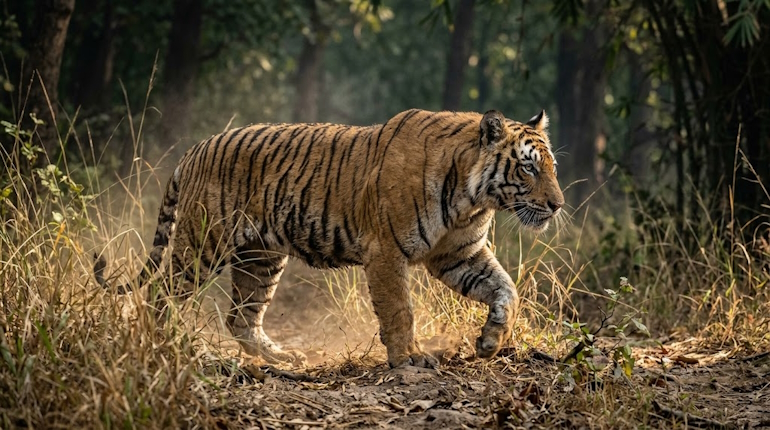
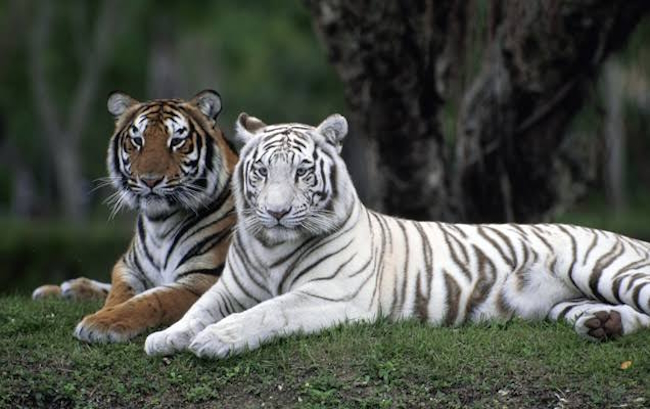
Among all land predators, Bengal and Amur tigers demonstrate exceptional levels of anatomical efficiency: skeletal muscle can account for up to 60% of their total body weight. With adult males weighing more than 200 kilograms, body fat levels rarely exceed single-digit percentages, while the majority of their mass consists of dense, powerful muscle fibers. Their shoulder structure, neck, and forelimbs are especially developed, giving these predators a massive and defined appearance even while resting.
This muscular density is a direct result of their ambush hunting strategy, which requires generating enormous kinetic force within fractions of a second.
A tiger must be able to cover distances of up to 10 meters in a single leap and instantly overpower prey that may exceed its own body weight. Evolution has equipped big cats with large amounts of fast-twitch muscle fibers: they are not built for long-distance endurance running, but their short bursts of explosive power leave prey with almost no chance of escape.
Greyhound
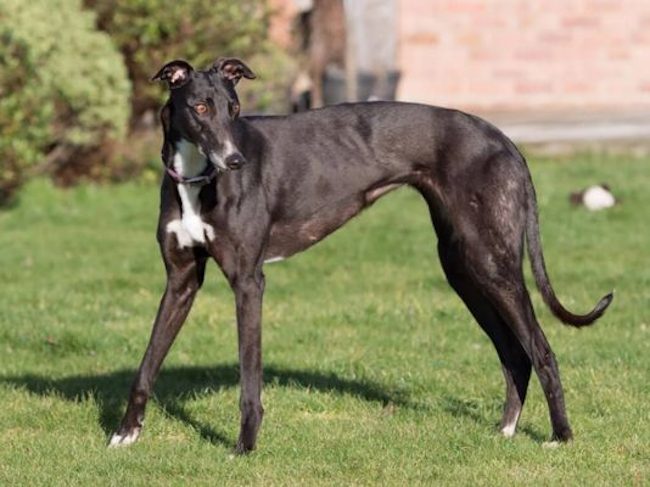
Despite its slim and almost fragile appearance, the greyhound is the true bodybuilder of the canine world, with approximately 57% of its body weight consisting of pure muscle. Beneath its thin skin and extremely low body fat lies a powerful structure: oversized thigh muscles, a deep chest, and an exceptionally strong back. The entire body design is optimized around aerodynamics and movement efficiency, making the dog resemble a compressed spring ready to release its energy.
The reason behind this extreme anatomy lies in centuries of selective breeding focused exclusively on achieving maximum sprinting speed.
The greyhound’s back muscles and hind legs work like a double suspension system: during a gallop, the dog alternates support between front and rear limbs, with moments when all four feet leave the ground completely. Maintaining this running style at speeds above 70 kilometers per hour requires an extremely high percentage of functional muscle combined with a lightweight skeleton.
Red Kangaroo
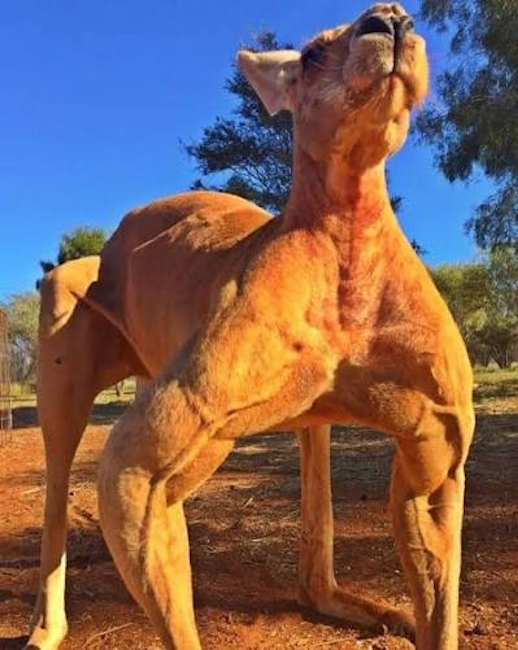
Australia’s largest marsupial rightfully ranks among the most muscular animals on Earth: in males, skeletal muscle accounts for approximately half of total body weight (around 50%). The most developed features are the powerful hind legs, the massive tail that functions as a fifth point of support, and the upper body musculature. A dominant adult male looks almost like a professional weightlifter, with clearly defined chest muscles and powerful arms.
This unique body structure is driven by the kangaroo’s specialized method of movement — saltation (jumping) — as well as intense competition between males.
To move a large body at speeds of up to 60 kilometers per hour, the hind legs must function as extremely powerful shock absorbers, storing and releasing elastic energy through tendons and muscles. The developed shoulder structure also plays a critical role during male combat: kangaroos grab opponents with their front limbs and deliver powerful strikes with their hind legs, requiring precise coordination and exceptional upper-body strength.
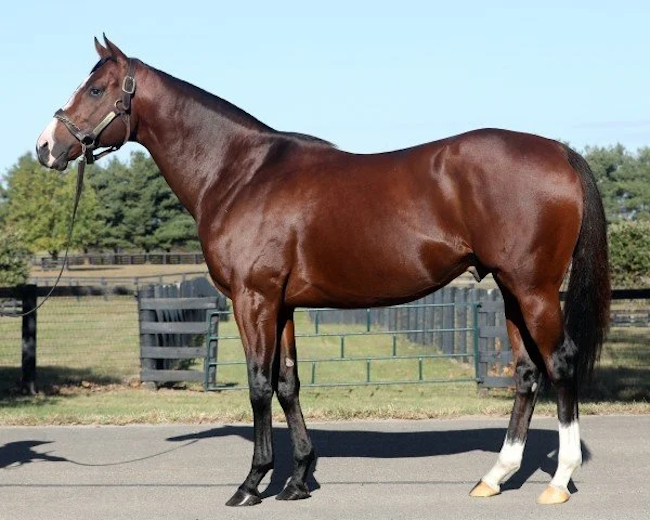
Thoroughbred Racehorse
Horses have long been considered symbols of strength, but racing breeds have pushed this ability close to biological limits, with muscle accounting for approximately 50–55% of total body weight. At a body weight approaching half a ton, the animal represents an ideal biomechanical system with an exceptionally developed hindquarters, powerful neck, and strong legs. The horse’s cardiovascular system can circulate enormous volumes of blood, supplying this muscular body with oxygen during peak performance.
The high percentage of muscle mass results from both natural evolution in open environments and generations of selective breeding.
Originally, grazing animals needed high speed to escape predators, while later human breeding programs reinforced these traits. Horse muscles are unique because they combine fast-twitch fibers for sprinting with slow-twitch fibers for endurance, making the animal a versatile athlete with remarkable stamina.
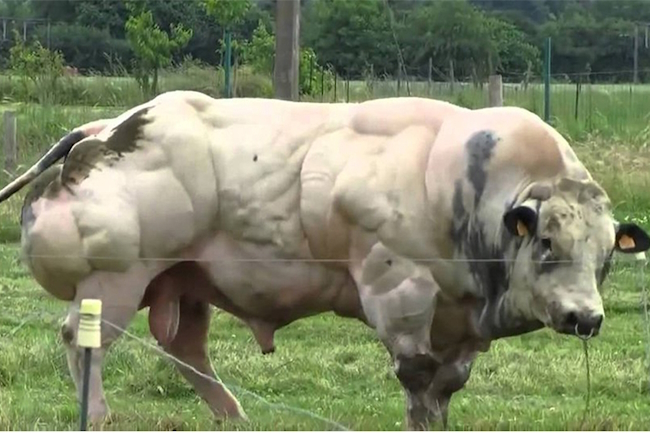
Belgian Blue Cattle
This breed of cattle demonstrates a phenomenon scientists call “double muscling.” Its appearance is striking: the animal is essentially a massive structure of bulging, hypertrophied muscle, with muscle weight exceeding that of ordinary cattle by 20–25%, while body fat remains extremely low. Muscle development is not limited to the legs but extends across the entire body, creating an unusually massive and defined physique.
The reason behind this extreme build is a natural genetic mutation that disables the production of myostatin.
Myostatin is a protein that normally regulates muscle growth and prevents excessive development of muscle tissue. In Belgian Blue cattle, this gene does not function properly, allowing muscles to continue growing without the usual biological limitation. Breeders intentionally preserved this trait to maximize lean meat production, creating an animal with an exceptionally high proportion of pure muscle mass.
Common Misconceptions and Myths
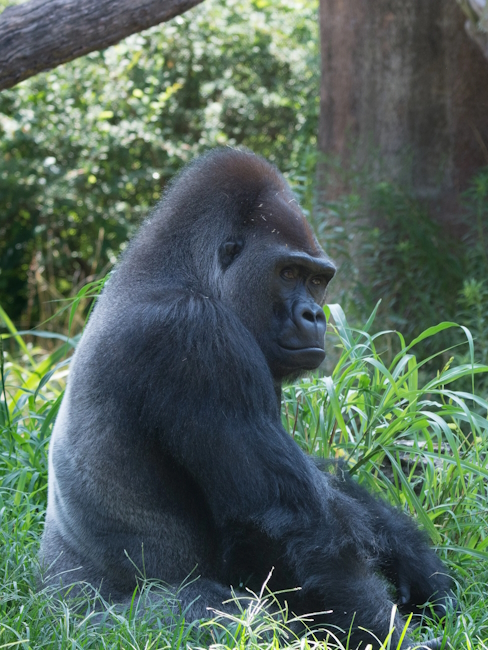
Including gorillas, wild buffalo, and selectively bred bulls in this ranking is a very common misconception.
This mistake comes from the impressive physical size of these animals and the visual volume of their bodies. However, according to strict scientific analysis of the ratio between lean muscle mass and total body weight, they fall behind the top five species listed above.
Let’s examine why the gorilla did not make the Top 5 list of animals with the highest muscle percentage.
A gorilla possesses enormous absolute strength (it can lift more than 800 kg), but its anatomical proportions are different:
Higher fat percentage and large digestive system: In gorillas, muscles account for approximately 35–40% of total body weight. A significant portion of their mass comes from the large abdominal region and extended intestinal tract required for fermenting and digesting hundreds of kilograms of tough plant material such as stems, bark, and leaves.
Dense skeletal structure: Primate bones are much thicker and heavier than those of running animals or big cats, increasing the proportion of skeletal mass in overall body weight.
Comparison: In predators such as tigers or specialized sprinters like greyhounds and racehorses, muscle mass can reach 50–60% of body weight because they have smaller digestive systems and minimal fat reserves.
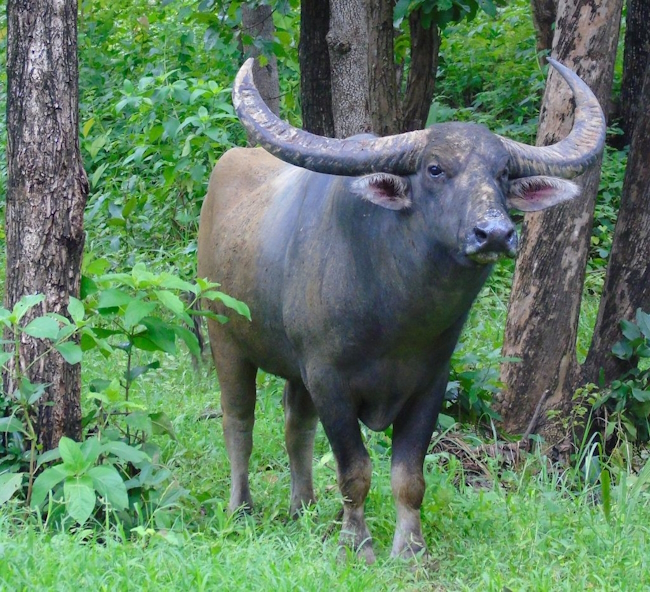
Regarding wild buffalo (such as the African Cape buffalo) and massive cattle breeds (such as Italian Chianina cattle or gaurs):
Belgian Blue cattle are the exception: The Belgian Blue was included in the Top 5 because it carries a genetic defect that blocks the myostatin gene, causing continuous muscle growth and extremely low fat levels. This gives the breed artificially increased muscle density compared with any wild bovine species.
Wild buffalo and standard cattle breeds: In wild buffalo and typical cattle breeds, muscle accounts for approximately 38–45% of total body weight. The remaining mass comes from a heavy skeletal structure, thick skin (which acts as natural armor in buffalo), and a four-chambered stomach filled with digesting plant material.
As a result, gorillas and wild cattle possess enormous absolute body mass and impressive physical power, but they do not rank among the planet’s five most extreme examples when measured by the relative percentage of pure muscle per kilogram of body weight.
The Cost of Extreme Muscle Mass in Nature
The pursuit of maximum strength and speed always comes with serious physiological trade-offs.
Tissues responsible for movement require constant blood flow, oxygen, and nutrients. Predators such as tigers must spend much of their time sleeping and resting to restore glycogen reserves after a single powerful burst of activity; otherwise, their bodies would quickly become depleted.
Artificially bred animals face even greater challenges. Due to its extreme muscular development, the Belgian Blue cow often cannot give birth naturally because calves are born too large, requiring constant veterinary assistance. Racing horses and greyhounds have extremely fragile skeletal structures compared with the power of their muscular systems, which frequently leads to severe tendon and bone injuries during peak performance loads on tracks.
Biological balance shows that evolution rarely rewards extreme traits without a strong reason. Exceptional muscle mass is only beneficial in highly specialized situations: a deadly ambush attack, escaping predators, or a unique method of movement. In most cases, nature favors moderation, choosing endurance and energy efficiency over excessive muscle development that is expensive to maintain.
Welcome to Poznayu.com!
My name is Alex, and I founded this project together with a team of like-minded professionals. At Poznayu.com, we create in-depth reviews, explore fascinating facts, and share well-researched, reliable knowledge that helps you navigate complex topics with confidence.
Our mission is simple: to explain complicated ideas in clear, accessible language. We believe that high-quality information should be available to everyone. Every article we publish is designed to provide practical value, actionable insights, and trustworthy analysis you can rely on.
Join our growing community of curious readers. Your feedback matters — share your thoughts in the comments, ask questions, and suggest topics you’d like us to cover next.