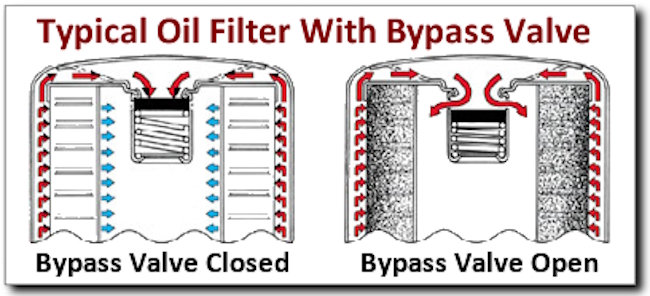
The valve in an oil filter dictates when oil flows through the filter element and when it bypasses it. This exact component directly impacts engine protection during cold starts, heavy loads, and the use of high-viscosity oil.
Understanding how it operates is crucial for choosing the right filter for both a daily driver and a tuned engine. Getting it wrong can cause either oil starvation or the continuous circulation of unfiltered oil.
For most drivers, this component goes unnoticed, yet it remains critical to engine longevity. In sports cars and high-performance engines, the demands placed on it grow even harsher due to heavy oil viscosity and extreme stress on the lubrication system. That’s why picking a filter comes down to much more than just a brand name or can size.
Built into the oil filter housing, the bypass valve protects the engine against oil starvation.
Put simply, the bypass valve acts as an emergency exit for engine oil, saving your motor from instant destruction. Picture a dense crowd trying to squeeze through a narrow hallway equipped with metal detectors:
If panic strikes and everyone needs out immediately, those narrow checkpoints bottleneck, jamming the crowd—so security swings open wide emergency gates to bypass screening entirely.
An oil filter operates on the exact same logic: when thick, cold oil cannot push through dense filter paper quickly enough, the valve pops open. It sends oil straight into the engine—dirty, sure, but in adequate volume to stop metal parts from grinding each other dry.
Its primary job is to open an auxiliary channel whenever resistance through the media gets too high. This happens during cold starts when oil is thick, or when the filter becomes partially clogged with wear debris.
Under normal driving conditions, oil flows through the filter media, stripping out wear particles. However, when a critical pressure differential occurs, flow through the paper or synthetic pleats drops sharply, forcing the system to safeguard the oil supply line. At that exact moment, the valve opens and routes flow around the filter element.
In real-world operation, the valve opens intermittently rather than constantly.
Primary triggers include cold starts, high oil viscosity, high-RPM spikes on an un-warmed motor, and a partially loaded filter element.
When Does Oil Flow Through the Filter vs. Bypassing It?
Under normal operating conditions, oil consistently flows through the filter element. Upon exiting the oil pump, the stream enters the filter canister, drops off solid contaminants, and proceeds into the engine’s main oil galleys.
Bypass mode engages only when the pressure differential across the filter exceeds the threshold. This isn’t directly tied to absolute oil pressure; instead, it depends on media flow resistance. The thicker the oil or the higher the revs on a cold engine, the greater the likelihood of the valve briefly opening.
Primary triggers for entering bypass mode:
Cold, thick oil during engine startup
Clogging or loading of the filter element
High engine loads before full operating temp
Using high-viscosity oil under heavy track or performance use
Once conditions stabilize, the valve snaps shut, forcing full flow back through the filter media.
The core engineering role of the bypass valve is to maintain uninterrupted lubricant circulation throughout the engine’s oiling system across all driving or climate conditions. During standard operation—when the engine reaches full operating temperature—motor oil achieves ideal kinematic viscosity, flowing 100% through the filter media pleats to trap wear debris, metal particulates, and carbon build-up.
In summary, what is the valve’s operating principle and system engineering logic?
The bypass valve functions as a mechanical pressure relief mechanism driven by a calibrated spring. Whenever the differential pressure across the filter element exceeds the spring rate, the valve opens, reducing system hydraulic resistance.
Once pressure normalizes, the spring snaps the valve back into its closed seat. This cycle can repeat dozens of times in a single drive, particularly in freezing weather or during spirited driving.
From an engineering standpoint, the valve’s sole purpose is preventing main galley pressure drops below critical thresholds. In those moments, filtration takes a back seat to keeping metal surfaces lubricated.
To help protect your engine, always install a new oil filter according to the manufacturer’s recommendations. Apply only a light film of clean engine oil to the filter’s rubber gasket. Pre-filling the filter with oil should only be done if it is specifically recommended by the engine or filter manufacturer. Most modern lubrication systems are designed to fill the filter quickly after startup, making pre-filling unnecessary in many applications. If you do pre-fill the filter, use only clean engine oil and take care to prevent any dirt or debris from entering the filter.
Selecting Valve Bypass Pressure Ratings Across Vehicle Types
Bypass valve opening pressure ratings are tailored to engine design, oil viscosity, and operating environments. Striking the right balance keeps the filter working effectively without allowing unnecessary unfiltered flow.
Vehicle Type
Bypass PSI Range
Selection Logic
Daily sedan (e.g., Toyota Camry 2.5 / Hybrid)
10–15 psi
Low stress, thin low-viscosity oil, priority on continuous filtration
Sports coupe (Infiniti Q60 3.0T)
12–18 psi
Moderate engine loads and higher operating temperatures
Naturally aspirated V8 with cam & mods (Camaro SS LT1 6.2 V8 cammed + cat delete)
High-performance SUV (Jeep Trackhawk 6.2 Hellcat V8)
18–25 psi
High thermal stress and elevated oil pressures under severe loads
Raising the bypass pressure rating doesn’t automatically make a filter “better.” It simply shifts when the system permits unfiltered oil bypass—always a compromise between engine protection and oil flow capacity.
Oil Filter Ratings by Bypass Valve Reliability
Our evaluation relies on hands-on experience and ratings for valve operation stability, repeatable actuation, and structural tolerance to extreme heat and oil pressure. The list below isn’t ranked in descending order—order does not equal “best to worst.”
WIX: One of the most mechanically consistent valve options available. Handles repeated open-and-close cycles exceptionally well under heavy operating stress. Widely favored in performance setups due to predictable behavior.
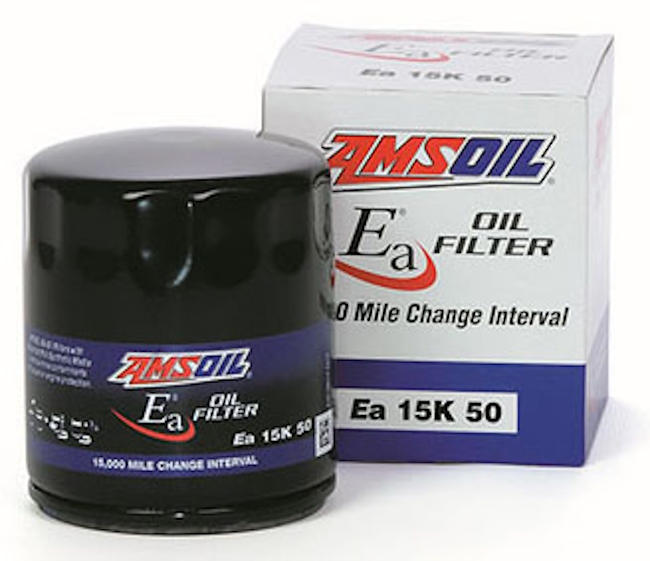
Amsoil: Engineered for extreme loads and extended drain intervals. The bypass valve works reliably, though these filters are most often paired with heavy-viscosity synthetic and track oils.
FRAM: Known for high flow capacity and tolerance to cold oil flow. Quality varies depending on the specific product line, but the valve operates reliably across stock and mild performance builds.
Mobil 1: A balanced, high-durability solution. The valve features a firm spring setting tailored for loaded conditions while preserving strong overall oil flow.
Mann: OEM-level quality featuring precise valve mechanics. Performs reliably in European and Asian engines running tight tolerances and moderate loads.
MAHLE / CLEVITE: High-grade engineering with precise valve actuation points. A top choice for tight-clearance engines operating under consistent driving conditions.
ACDelco Performance: Specifically matched to GM engines. The valve calibration aligns with LS/LT engine architecture, integrating seamlessly with OEM oil pumps and factory pressure logic.
DENSO: Excellent build quality and precision, though less focused on extreme track loads. Optimal for Japanese powerplants and daily driving.
BOSCH: Delivers consistent valve response across a wide temperature spectrum. A solid, versatile option without explicit high-performance positioning.
MOTORCRAFT: Tailored specifically for Ford engine applications. The bypass valve is calibrated for factory specs and moderate loads within the OEM ecosystem.
FVP: Budget-friendly segment offering acceptable baseline reliability. The valve operates fine, though tolerance variation is wider compared to premium brands.
BECK/ARNLEY: Geared toward Asian and European imports. Well-suited for standard daily driving, but not engineered for high thermal or severe mechanical stress.
Summary
The bypass valve inside an oil filter isn’t a power-adder; it’s a fail-safe system protecting your engine against dangerous oil pressure drops.
Its performance depends on oil viscosity, temperature, and filter cleanliness—not on spring “stiffness” as a standalone tuning spec.
Choosing the correct opening PSI always comes down to your engine architecture and driving conditions, rather than a one-size-fits-all rule.
Welcome to Poznayu.com!
My name is Alex, and I founded this project together with a team of like-minded professionals. At Poznayu.com, we create in-depth reviews, explore fascinating facts, and share well-researched, reliable knowledge that helps you navigate complex topics with confidence.
Our mission is simple: to explain complicated ideas in clear, accessible language. We believe that high-quality information should be available to everyone. Every article we publish is designed to provide practical value, actionable insights, and trustworthy analysis you can rely on.
Join our growing community of curious readers. Your feedback matters — share your thoughts in the comments, ask questions, and suggest topics you’d like us to cover next.