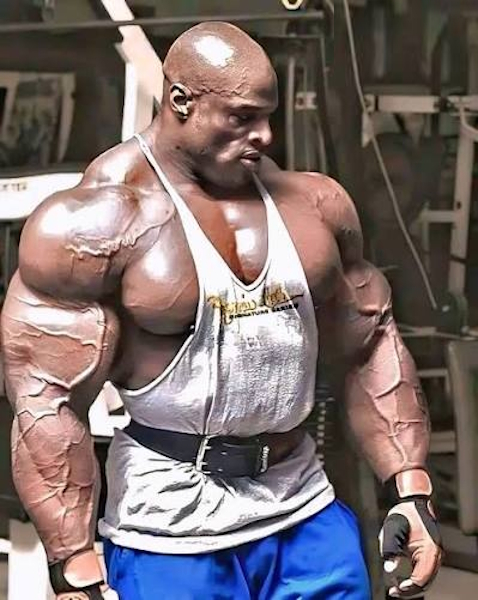
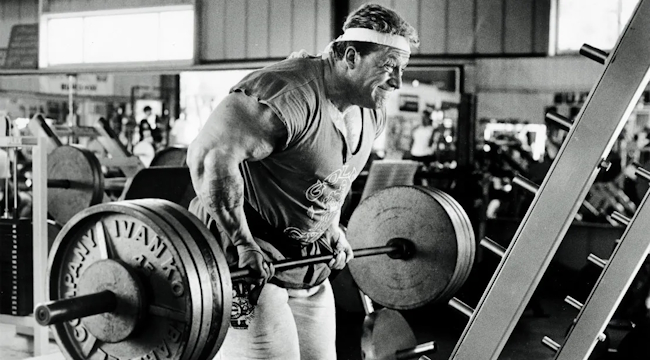
Ronnie Coleman and Dorian Yates remain the biggest names in professional bodybuilding debates. Comparing these two legends shows how muscle standards, proportions, and extreme definition have evolved over the years.
In this article I break down their physiques in detail, focusing on the muscle groups that became their calling cards. Looking at their anatomy helps figure out which training style delivered the most impressive results on stage.
We won’t cover every archive photo or muscle group here. I’m sticking to publicly available shots and the most popular ones that show them at their absolute peak.
There’s a common myth that they never faced each other on stage. They did — multiple times at the Mr. Olympia between 1994 and 1997. Dorian was the reigning king every single time, while Ronnie was still climbing and finishing lower.
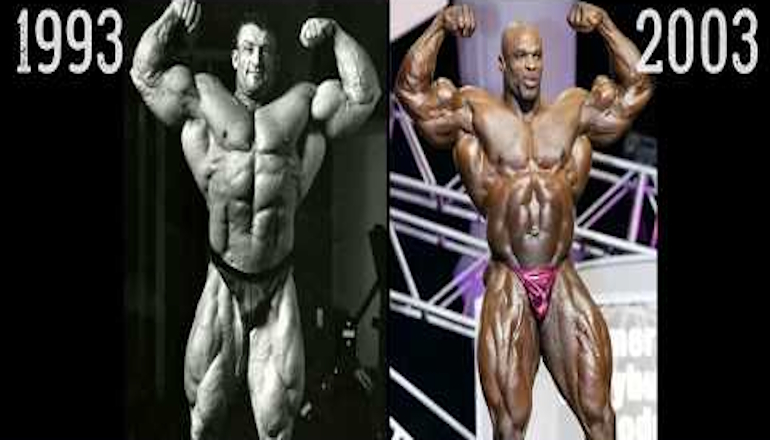
If we compare their absolute peak conditioning — Yates’ 1993 monster from 1993 versus Coleman’s “3D” version from 1999 — Ronnie takes it. His insane spherical muscle bellies*, tiny waist, deep frontal abs, and total rear separation would have beaten even Dorian’s granite density and rock-hard texture.
* – Muscle belly (venter) is the main contractile part of a skeletal muscle made of striated tissue.
Let’s look at the three most popular poses side by side.
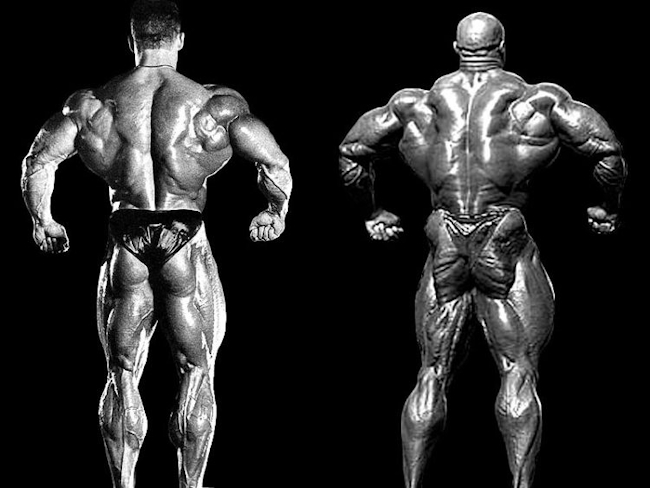
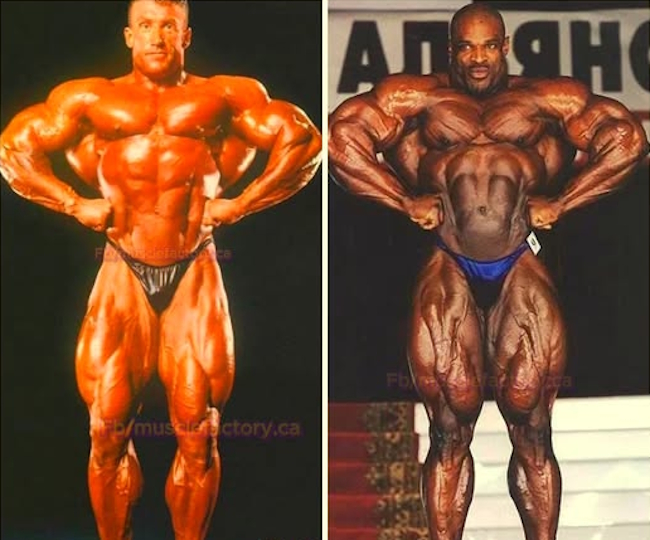
The rear double-biceps pose shows the biggest differences in genetics and muscle attachment between these two legends.
In 1999 Ronnie Coleman shows insane 3D thickness in the traps and rhomboids, creating a mountain effect on the upper back. Dorian in 1993 has unmatched lower lat density and width that attaches extremely low, forming the perfect V-taper.
Both pros evaluate this muscle group on these key criteria:
Total trap thickness and detail
Width, depth, and lower attachment of the lats
Lumbar separation and fiber visibility
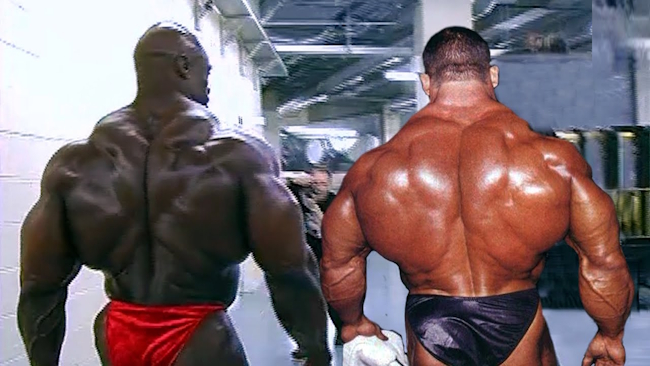
Hidden photos in the relaxed state let you see their natural structure without stage tension. On a back shot Coleman is clearly bigger overall and has bigger upper traps even off pose. Dorian stands out with his signature graininess and massive bone structure, making his back look flatter but wider in the shoulders.
For objective comparison without tension, look at these anatomical points:
Dominant upper back thickness (American)
Extremely wide shoulder structure (British)
Difference in separation during rest
In full back competition shots you can’t ignore the lower body’s effect on overall proportions. Dorian shows rock-hard upper back, but Ronnie completely dominates with insane glute and hamstring development and deep separation. Coleman looks more massive and balanced from shoulders to calves.
Here’s the comparison table:
Criterion
Ronnie Coleman
Dorian Yates
Traps
Extreme 3D thickness
Moderate hypertrophy
Lats (attachment)
High attachment
Low attachment + width
Hamstrings/glutes
Absolute domination
Excellent detail, less mass
Both guys reached their genetic maximum, but they took completely different paths.
Coleman bet on shocking size, 3D back density, and total hamstring dominance. Yates wrote himself into history with unmatched back width, lower lat density, and granite muscle.
Their rivalry proves that different anatomy with the right training can set the bar for the sport.
Verdict: In rear shots Ronnie wins with phenomenal 3D upper back hypertrophy and total hamstring dominance. Dorian wins with classic width and super-low lat attachment, but Ronnie creates the more complete stage look thanks to deep glute and hamstring separation.
Front Comparison
Comparing Ronnie Coleman and Dorian Yates in front competition poses lets us objectively evaluate the balance of their muscle volumes, symmetry, and muscle hardness.
Analysis of frontal projections reveals key differences in genetic structure of the chest, abs, and quad sweep. Expert side-by-side comparison of these zones clearly demonstrates the shift in standards during the golden era of bodybuilding. This breakdown helps understand which champion had the most dominant stage presence.
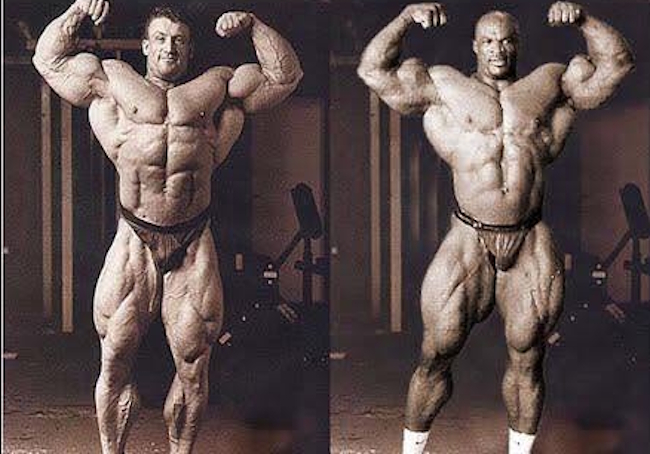
The comparison of frontal poses begins with the classic double biceps front pose. On the archival photo, both athletes show peak arm and shoulder mass, but the anatomical emphasis is completely different. Expert evaluation focuses on these visual muscle group features:
High, rounded peaks of the American champion’s biceps, creating deep separation.
Massive, dense forearms of the British bodybuilder, emphasizing overall hand power.
Colossal quad sweep on both athletes with different muscle belly shapes.
Moving to shoulder and torso cone width, the “lats front” pose takes center stage. On the competitive photo above, the difference in conditioning, muscle separation, and abdominal development under load is obvious. A close look at this frontal projection highlights three main factors:
Unprecedented chest separation depth for Coleman, highlighted by his narrow waist.
Monolithic, square chest shape for Yates, creating an absolute density feel.
Differences in rectus abdominis structure, where the depth of ab cubes contrasts with the overall hardness of the core.
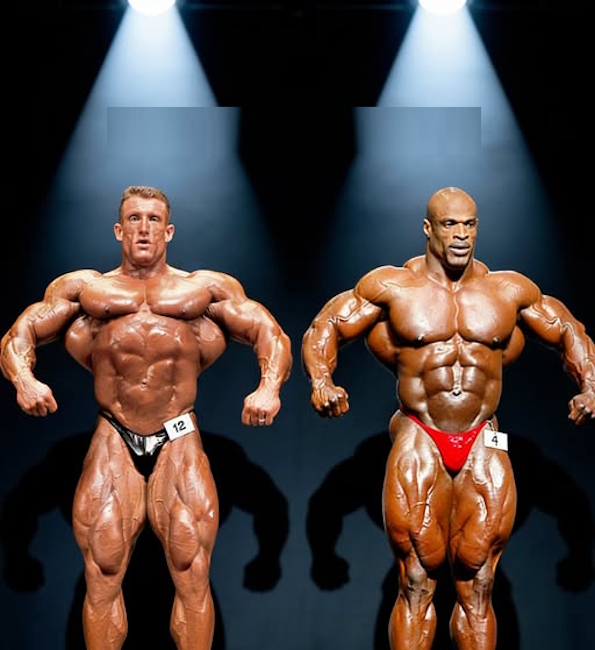
The final stage of expert frontal proportion analysis examines the athletes in competition line under direct top lighting.
On the photo above, Yates in number 12 and Coleman in number 4 show quad hardness and overall muscle balance. The upper lighting highlights Ronnie’s advantage in muscle belly roundness and leg separation, while Dorian holds the tie thanks to extreme shoulder width and low lats attachment visible from the front. For final frontal parameter comparison, an overall technical table was created.
Criterion Evaluation
Ronnie Coleman
Dorian Yates
Quad shape
Rounded, deeply separated sweep
Dense, massive muscle layers
Abdominal press
Expressed cube separation
Monolithic, rigid muscle core
Chest muscles
High separation, spherical shape
Square shape, maximum area
Verdict: The frontal comparison favors Coleman thanks to superior V-taper aesthetics, muscle belly roundness, and clear ab separation at a narrow waist. Yates wins outright in monumental shoulder width and chest area, but visually loses to the opponent in biceps roundness and quad sweep detail.
Side Comparison: Depth and 3D Definition
Evaluating side projections lets professionals look at chest depth, shoulder-blade complex development, and lower back surface work. The side view is the only way to reveal true three-dimensionality of the musculature, exposing any potential shortcomings in shoulder density or anatomical separation depth.
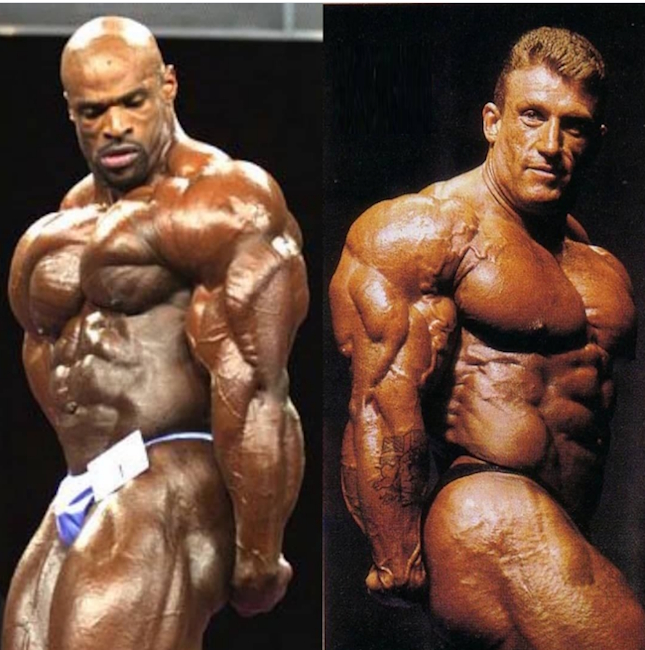
On the classic side-by-side photo above, the athletes show variation in side pose, where the fundamental genetic differences in muscle belly shape are clearly visible. Ronnie Coleman impresses with phenomenal chest bulge and spherical delts, creating an absolute anatomical three-dimensional effect. Dorian Yates counters with his signature “granite” density: his chest looks visually flatter but incredibly massive, while the tricep and brachialis bunches show deep, coarse separation.
Professional visual assessment of this competition position is built on several key factors:
Bicep peak roundness and height combined with delt hypertrophy.
Overall chest thickness and oblique hardness.
Depth of separation between quad and hamstring in static tension.
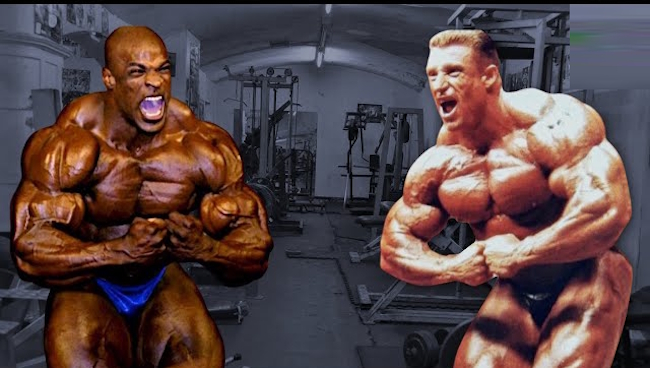
The aggressive maximum muscularity pose on the collage above shifts focus to peak tissue hardness at absolute contraction. In this angle, Coleman shows incredible vascularity and upper arm separation, with each individual delt head drawn with surgical precision and the biceps sharply divided from the triceps by a deep groove. Yates answers with unprecedented forearm thickness and a powerful muscle corset that visually makes his figure look like one solid monolithic block.
For detailed understanding of structural differences in this side projection, experts recommend the following analysis steps:
Evaluate the visual ratio of shoulder volume to waist thickness.
Compare hardness and depth of lateral head development.
Analyze overall relief and vascularity of arm muscle fascia.
Synthesizing the side angles, we can state that both bodybuilders set unreachable standards for thickness and density, but achieved them through completely different genetic foundations.
The American champion wins thanks to unreal bulge and 3D effect of each individual muscle, creating the illusion of muscle bursting out from under the skin.
The British athlete dominates thanks to coarse, stone-hardness and exceptional thickness of connective tissue, forming the image of absolute power on stage.
The overall professional profile characterization of the athletes’ side poses is presented in the summary analytical table.
Anatomical Parameter
Ronnie Coleman
Dorian Yates
Shoulder girdle
Spherical delts, pronounced 3D effect
Extremely massive and dense shoulders
Chest
Maximum bulge and profile height
Monolithic thickness, granite hardness
Side back separation
Deep separation, extreme vascularity
High density, coarse fiber detail
Verdict: In side angles, a conceptual tie is recorded: Coleman totally dominates in visual depth and 3D effect of spherical delts, while Yates takes the lead with monolithic core thickness and forearm mass. The American’s quality looks juicier and more separated, while the Brit embodies ultimate, stone-hard muscle density.
Training Principles: HIT vs. Volume
Dorian Yates practiced high-intensity training (HIT), doing only one or two working sets to absolute muscle failure, while Ronnie Coleman combined basic powerlifting with high-volume bodybuilding, training each muscle group twice a week with huge weights. Yates practiced classic multiple-set splits only at the very start of his career and forever abandoned them in favor of working one extremely heavy failure set.
If there’s no difference on the pharmacology course, what’s the point of different training principles?
The comparability of their phenomenal stage results does not mean that when using professional sports pharmacology the training method loses all value.
Anabolic drugs dramatically speed protein synthesis and expand the limits of nervous system recovery, but to trigger hypertrophy itself, both champions created colossal physiological stress without flaw by relying on the fundamental principle of load progression.
Yates achieved maximum micro-damage to muscle fibers through extreme mental focus and physical failure in a short time, while Coleman generated a similar adaptive response through massive training tonnage and prolonged mechanical tension.
The secret is that pharmacology does not equalize random programs — it only allows an organism with elite genetics to process the supra-limit level of muscle tissue destruction that is guaranteed by either of these uncompromising approaches.
The meaning of different training approaches on the pharmacology course lies in adapting loads to individual biomechanics, central nervous system resources, and joint strength reserves. Different methods let elite athletes generate critical muscle stress safely in the way that perfectly matches their unique genetic structure.
To deeply understand why professional bodybuilders choose diametrically opposite load vectors under comparable pharmacological support, we must highlight the key individual barriers. These natural limits are exactly what force athletes to search for their own path to destroy muscle tissue:
Dominant muscle fiber profile: dominance of white (fast) or red (slow) cells strictly determines how the musculature reacts to working weight and rep count.
Central nervous system resource: innate ability of motoneurons to generate maximum force impulse for one brutal failure or to endure prolonged, exhausting multi-set work.
Joint-ligament apparatus strength: genetic reserve of cartilage tissue dictates what will destroy the athlete faster — critical submaximal weight in one set or chronic friction from massive volume work.
Blindly copying someone else’s championship program even on anabolics will inevitably lead to serious injuries and stagnation, because the cutting-edge method only works in symbiosis with the right genetics.
To clearly structure the influence of both training philosophies on the organism of a competing bodybuilder, here is a classification of stress factors. It demonstrates in detail how completely different paths generate comparable-scale but visually distinct muscle growth.
Stress Characteristic
Yates (HIT) Failure Method
Coleman Volume-Power Method
Main growth trigger
Total fiber destruction in one set
Accumulation of colossal tonnage
CNS impact
Extremely high (peak)
Moderately high (spread over time)
Traumatic threat
Risk of acute muscle and ligament tears
Chronic irritation of joint capsules
Visual result
Granite density and coarse hardness
Three-dimensional roundness and spherical volume
The essence of training variety lies in finding the right tool that lets you extract 100% from a specific genetics without breaking your body’s physical structure. Coleman would have broken psychologically and lost his famous 3D volumes from Yates’ short workouts, while Yates would have surely torn his ligaments and burned out his nervous system trying to do Coleman’s multi-hour power marathon.
The result appears equal only in judge protocols, but the tools used to achieve that result are fundamentally not the same.
Dmitry Volkov – is the author of our bodybuilding section is a practicing sports medicine physician based in Dallas, Texas, with 21 years of hands‑on experience in sports pharmacology. At 42, he combines deep academic knowledge with real‑world expertise gained from coaching athletes of all levels — from amateurs to seasoned competitors. He earned his medical degree from a leading Texas institution and spent years working in sports medicine clinics and private practice.
His primary focus is hormonal regulation of muscle growth, the use of anabolic steroids and peptides, and post‑cycle recovery. He understands modern protocols inside out because he consults real people every day, helping them avoid side effects and achieve safe results. His approach is rooted in evidence‑based medicine, yet remains grounded in the realities of both amateur and professional sports.
In his articles, he aims to debunk myths and deliver clear, scientifically sound recommendations. Every piece of content is vetted not only by medical knowledge but also by years of clinical observation. He firmly believes that responsible pharmacology requires a solid grasp of biochemistry, respect for one’s body, and regular medical monitoring — and he works hard to convey these principles in a way that is both accessible and actionable for his readers.