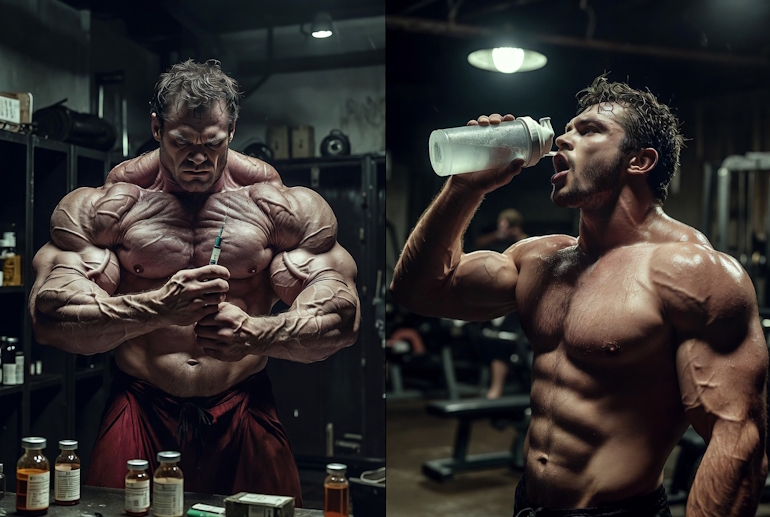
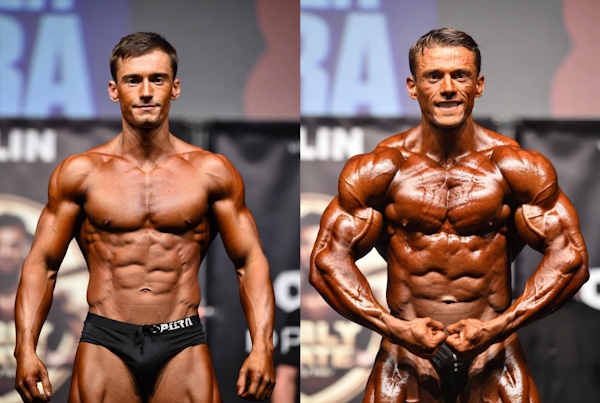
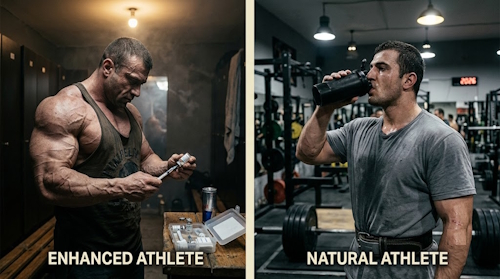
Natural bodybuilding (especially at the professional level) is a beautiful fairy tale sold to make money. Behind the flawless physiques of champions lies more than just hitting the weights and eating chicken, rice, and broccoli; it’s a cocktail of pharmacology, expert doctors, and decades of selective breeding.
Competitive sports and general fitness are two entirely different universes, and the advice from top fitness stars usually only works when backed by powerful chemical support. Without that knowledge, talk of the “right” exercises and perfect routines becomes completely meaningless, and genetic limits don’t just disappear.
It’s time to take off the rose-colored glasses and face reality.
The very term “bodybuilding” historically implies building extreme muscle mass and pushing past the natural boundaries of the human body.
What marketers and personal trainers call “natural bodybuilding” today is, from a physiological standpoint, just high-quality resistance training or fitness. The human body has hard genetic ceilings on the amount of muscle mass it can naturally maintain, and without external intervention, crossing that threshold is physically impossible. Because of this, athletes who train without performance-enhancing drugs can achieve an excellent, healthy, and ripped physique, but they will never look like the massive mass monsters gracing magazine covers.
The average person’s endocrine system is hardwired to maintain internal balance and conserve energy, not to grow disproportionately massive biceps. The moment an amateur lifter hits their natural genetic ceiling, any additional stress from brutal workouts doesn’t lead to more muscle growth; instead, it triggers overtraining, central nervous system (CNS) burnout, and injuries.
True competitive sports begin precisely where the body’s natural resources end and the achievements of modern sports pharmacology take over. Without this critical element, competitions would turn into a beach-physique aesthetic contest, judged purely on low body fat percentages and basic muscle tone.
To clearly demonstrate the difference between natural training and professional sports, let’s break down the key aspects of both approaches. Take a look at the comparative breakdown of their baseline characteristics in the table below:
Characteristic
Fitness (Natural Training)
Professional Bodybuilding
Main Goal
Health, longevity, aesthetics
Maximum muscle hypertrophy at all costs
Muscle Volume
Strictly limited by genetic potential
Extreme, pushing far past normal physiology
Body Fat Percentage
Natural and healthy (10–15%)
Dangerously low on stage (4–5%)
Recovery
Dependent on sleep quality and nutrition
Artificially accelerated by performance drugs
The illusion that natural bodybuilding exists is actively and aggressively pushed by the supplement, fitness gear, and paid training program industries.
It is incredibly profitable for companies to sell the dream that buying yet another tub of protein powder or a pre-workout blend will help you achieve a pro-athlete physique. In reality, these supplements contribute only a tiny fraction to your success, working strictly within the boundaries of your genetically predetermined potential.
Understanding that training without medical assistance is simply healthy fitness helps people avoid bitter disappointment and set smart, achievable goals.
Should You Trust Former Olympia Competitors?
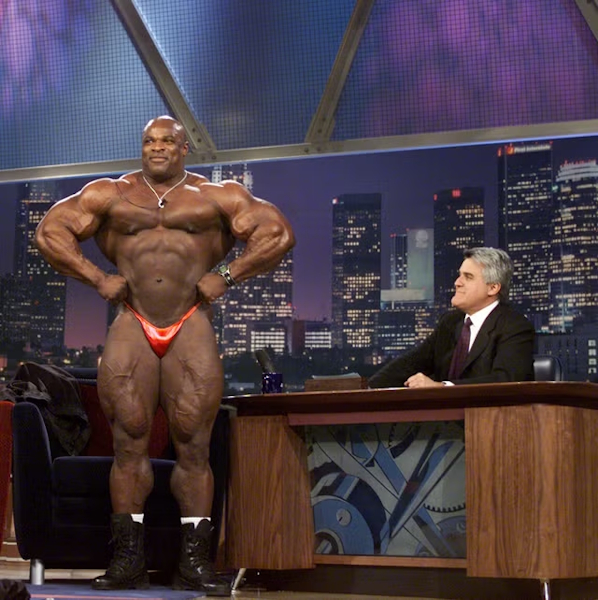
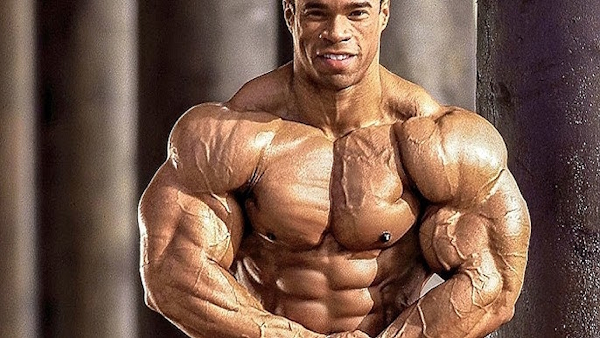
When former or current competitors from the prestigious Mr. Olympia stage start giving out training advice, their words should always be taken with a massive grain of salt.
In their interviews, podcasts, and instructional videos, they almost never talk about the role of pharmacological support, which is actually the absolute foundation of their phenomenal condition. Instead, these champions read from a cookie-cutter script, repeating rehearsed lines about the importance of eight hours of sleep, clean eating, iron discipline, and hitting the “perfect angles” in their exercises. Granted, a strict routine and diet are crucial at that level, but they are merely contributing factors, not the root cause of extreme muscle hypertrophy.
The reason for this widespread public hypocrisy comes down to multi-million dollar endorsement deals, brand image protection, and straightforward legal regulations in many countries. No professional athlete who serves as the face of a major supplement brand is going to openly admit that their massive back didn’t come from the advertised protein powder, but rather from a heavy cycle of powerful hormones. This forced deception creates a massive problem for gullible beginners who try to copy their idols’ training splits line by line. They exhaust themselves with six-day workout splits and insane training volumes, completely unaware that their endocrine systems are physically incapable of recovering from that kind of workload without chemical assistance.
To understand how professionals dance around awkward questions in their public appearances, you can spot a few classic deflections. Below is a numbered list of the most popular arguments athletes use to mask how things really work:
Phenomenal, one-of-a-kind genetics that supposedly allow their muscles to grow just by looking at a heavy barbell.
A flawlessly calculated meal plan where every macro is weighed down to the gram and consumed strictly on the dot.
Secret training techniques, unique ranges of motion, and a special mind-muscle connection.
Unbelievable willpower, fanaticism, and a willingness to endure hellish pain during workouts that regular people supposedly lack.
Believing that these four factors alone can transform a person into a 260-pound, shredded, hyper-veiny giant means completely ignoring the fundamental laws of biology and anatomy.
Genetics absolutely dictate muscle shapes, tendon insertion points, and overall skeletal proportions, but they cannot bypass the physiological limits of protein synthesis.
When listening to inspiring stories from Olympia stars about the magical powers of plain boiled chicken breast and rice, it’s vital to recognize that this is just the pretty tip of the iceberg. The real secret to their success is forever hidden behind closed doors and is completely inapplicable to the everyday gym-goer.
Why Listen to the Experts if Their Results Are Unattainable?
This raises a completely logical question: if a professional bodybuilder’s physique is unattainable for an ordinary person without destroying their health, is there any point in listening to their advice at all?
The answer lies in carefully filtering the incoming information and clearly distinguishing between movement biomechanics and overall training program methodology:
You absolutely can and should learn perfect form for isolation movements, the ability to focus on a target muscle group, and joint injury prevention from competitive bodybuilding stars. They spend years perfecting every single movement, and that immense biomechanical experience is highly valuable for anyone wanting to load their body safely.
However, you must absolutely avoid copying their training volume, insane workout frequencies, and their reliance on constant muscular failure.
A competitive bodybuilder’s workout program—designed for a body with an artificially enhanced recovery capacity—is a one-way ticket to severe overtraining, a crashed immune system, dropping strength levels, and total regression for a natural athlete. Instead of blindly copying routines from genetically and chemically gifted champions, an everyday fitness enthusiast should look to specialists who base their work entirely on natural training and understand the critical importance of proper recovery.
There are several fundamental, safe principles that natural lifters should adopt from various sources, carefully adapting them to fit their modest natural capabilities.
Let’s look at the baseline rules of healthy and effective fitness:
Focus on gradual progressive overload in heavy compound exercises rather than endless muscle “pumping.”
Ensure your nervous system and muscles get adequate downtime between heavy lifting sessions.
Maintain a realistic approach to daily nutrition without extreme “shredding” phases that crash your natural hormone levels.
At the end of the day, recreational sports and fitness should give you health, energy, and a boost of confidence when you look in the mirror—not turn into an exhausting, pointless, and dangerous chase after the impossible standards of airbrushed bodybuilding.
Where Does “Enhanced” Begin?
The line between natural bodybuilding and “enhanced” bodybuilding is crossed the exact second a person introduces exogenous (external) hormonal or signaling compounds into their system to artificially bypass their natural genetic limits.
The moment you use a substance that directly interferes with your endocrine system, shuts down your natural hormone production, or artificially forces protein synthesis, you lose your “natty” status forever. This clear line has nothing to do with dosages, the method of administration (oral pills vs. injections), or the legal status of the substance in your country—it is entirely about the fact that you forced your physiological processes using synthetic medical tools.
For example:
SARMs (Selective Androgen Receptor Modulators): These compounds selectively bind to receptors in your muscles and bones, aggressively mimicking testosterone to accelerate tissue growth. While marketers pitch them as a “safe and mild alternative,” they are experimental chemicals that heavily suppress your natural hormonal axis. Taking SARMs is a definitive leap into enhanced bodybuilding, providing an unnatural edge in physique building.
Peptides: These are synthetic short chains of amino acids used as powerful signaling molecules to artificially stimulate the pituitary gland, triggering a massive release of growth hormone. Even though they aren’t classic anabolic steroids, they force the body to operate in an unnatural, hyper-driven state for fat loss and recovery. Using peptides strips an athlete of their natural status because their growth and recovery are driven by external manipulation.
Prohormones: Essentially, these are precursor compounds that, once ingested and processed by the liver, convert into fully active, potent anabolic steroids. They directly provide the building blocks to create unphysiological androgen levels, which immediately shuts down your own reproductive system. Using prohormones is no different from running a standard steroid cycle; it’s a direct transition to pharmacology.
Insulin: In competitive bodybuilding, this transport hormone is used to forcefully drive carbohydrates and amino acids into muscle cells, completely bypassing natural saturation barriers. This creates a critical anabolic environment for hypertrophy, making muscles abnormally massive and dense in a way that is physiologically impossible without injections. It is a highly dangerous tool and an absolute hallmark of elite, enhanced mass-building cycles.
Testosterone Solo: Introducing synthetic male sex hormone—even as part of a single “beginner” cycle—instantly drives blood androgen levels far past your natural ceiling. This completely halts your body’s natural testosterone production, replacing it with a flat, artificial baseline for continuous protein synthesis. This is the classic, foundational step into the world of steroids, after which a person officially becomes an enhanced athlete utilizing sports pharmacology.
Let’s look at a very basic real-world example: arm size.
For an average guy with normal genetics, the absolute ceiling is a bicep measurement around 40–43 cm (about 16–17 inches). To properly understand these ranges, you have to look at FFMI (Fat-Free Mass Index), which is widely considered one of the primary objective metrics for verifying natural status:
This index is calculated using the formula: weight (kg) * (1 – % body fat) / height (m)^2 + 6.3 * (1.8 – height (m)).
If your scores climb above 25–26, reaching that point naturally is virtually impossible, and numbers tracking past 26–27 are an almost definitive indicator of performance-enhancing drug use.
Here are the real-world benchmarks for someone maintaining a shredded 10% body fat level. It’s crucial to remember that even with stellar genetics, these numbers are only achievable under perfect conditions: flawless nutrition, pristine sleep, uninterrupted training over a span of many years (typically 10–15 years), and so forth—all the things fitness gurus lecture you about in videos.
So, here are the arm size benchmarks at 10% body fat:
An Individual with Average Genetics
Bicep Circumference: 40–43 cm (around 16–17 inches). This is typically the upper limit after years of relentless, consistent training.
FFMI: Usually 21–23. This creates a physique that looks incredibly athletic and fit, but lacks that hyper-inflated, “3D balloon” muscle look.
An Athlete with Elite Genetics (A Genetic Freak)
Bicep Circumference: 45–47 cm (around 18–18.5 inches). We are talking about true genetic outliers with very thick bone structures, large wrists, and an abnormal response to weight training.
FFMI: Can approach 25–26. Think of certain athletes from the “pre-steroid” golden era who possessed phenomenal proportions for their time. For the average mortal, these numbers are completely out of reach.
The main practical takeaway is simple: if you see a shredded athlete with a bicep measuring 45 cm (18+ inches) or more, there is a 99% probability that you are looking at an experienced enhanced lifter.
For the average gym-goer, aiming for Mr. Olympia measurements without gear is completely pointless—it’s a false North Star. The true goal for a natural lifter isn’t a mindless chase after inches, but rather a focus on maximizing their own unique genetic potential. This can be calculated using specialized formulas (such as Casey Butt’s calculator, which uses wrist and ankle measurements).
Dmitry Volkov – is the author of our bodybuilding section is a practicing sports medicine physician based in Dallas, Texas, with 21 years of hands‑on experience in sports pharmacology. At 42, he combines deep academic knowledge with real‑world expertise gained from coaching athletes of all levels — from amateurs to seasoned competitors. He earned his medical degree from a leading Texas institution and spent years working in sports medicine clinics and private practice.
His primary focus is hormonal regulation of muscle growth, the use of anabolic steroids and peptides, and post‑cycle recovery. He understands modern protocols inside out because he consults real people every day, helping them avoid side effects and achieve safe results. His approach is rooted in evidence‑based medicine, yet remains grounded in the realities of both amateur and professional sports.
In his articles, he aims to debunk myths and deliver clear, scientifically sound recommendations. Every piece of content is vetted not only by medical knowledge but also by years of clinical observation. He firmly believes that responsible pharmacology requires a solid grasp of biochemistry, respect for one’s body, and regular medical monitoring — and he works hard to convey these principles in a way that is both accessible and actionable for his readers.